





From Paper to Digital Declaration
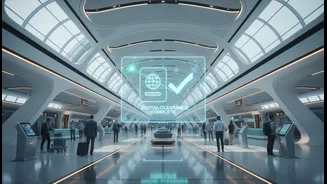
Australia is replacing the long-standing paper Incoming Passenger Card with a modern digital alternative called the Australia Travel Declaration (ATD). This move is part of a $56.1 million federal government investment to modernise the country's border
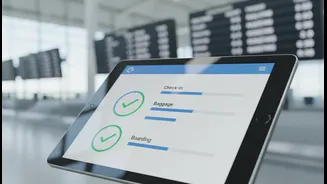
processes. Instead of filling out a form on the plane, travellers can submit their customs, biosecurity, and contact information online before they land. The new system has been successfully trialled on select Qantas flights since late 2024, involving over 450,000 passengers. The nationwide rollout is expected to be completed over the next 12 to 18 months, covering all international airports and seaports.
Accessible Web Forms for All Travellers
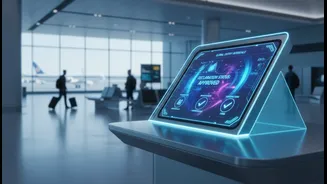
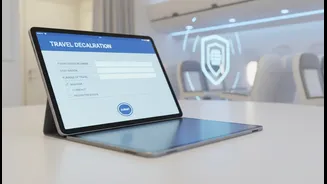
A key feature of the new system is its accessibility. Initially, the ATD will be available via a simple web-based form, which can be completed up to three days before your flight. This ensures that travellers who aren't app-savvy or don't have a smartphone can still easily complete their declaration. All you need is an internet connection before you travel. For those who cannot access the digital service for any reason, traditional paper forms will still be available as a backup. This phased approach prioritises making the transition smooth and inclusive for all passengers, from families to business travellers.
Seamless Journeys Through Airline Integration
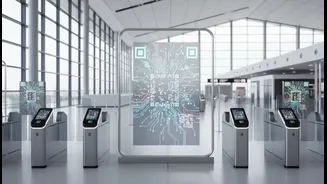
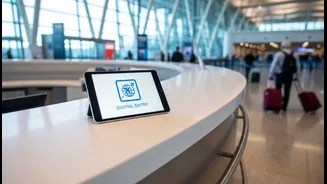
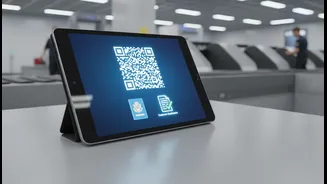
The long-term vision is to integrate the declaration process directly into airline apps, further simplifying the journey. The successful pilot with Qantas allowed passengers to fill out their details in the airline's app, which then generated a unique QR code. This code is scanned by Australian Border Force officers upon arrival, speeding up the entire process. This integration means less repetition of information and a single point of reference for your travel documents. By having this information submitted in advance, border agencies can conduct risk assessments earlier, which not only improves security but also helps reduce queues and delays at the airport.
The Future: Biometrics and Digital Credentials
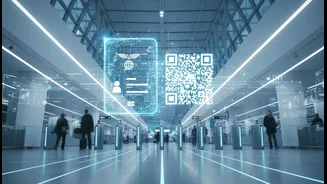
This digital declaration is a step towards a more advanced, biometric-enabled border experience. The government has signalled that these changes are designed to meet passenger expectations for a fully digital travel process, similar to systems already in place in countries like the UK and Singapore. The framework being built could eventually support digital credentials, where your identity and travel permissions are stored securely on a personal device. This would create a truly seamless border process, reducing the need for physical documents and enabling a faster, more secure walk-through experience at the airport. This is also part of a broader strategy to prepare for an expected surge in travellers ahead of the Brisbane 2032 Olympic and Paralympic Games.