

Deepavali, the festival of lights, illuminates India in a brilliant display of unity and joy. Yet, look closer, and you'll find fascinating regional nuances that tell different stories. The contrast is sharpest between the dawn rituals of the South and the twilight
ceremonies of the North.
Dawn of Devotion in Tamil Nadu
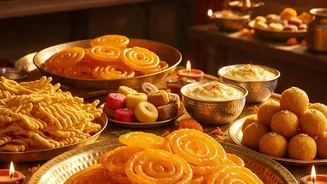
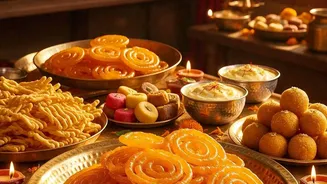
In Tamil Nadu, the main day of Deepavali celebrations, Naraka Chaturdashi, begins before the sun rises. The central ritual is the 'Ganga Snanam', a customary oil bath. Well before dawn, the eldest member of the family anoints the heads of all family members with warm gingelly (sesame) oil. This is followed by a bath using a paste of gram flour or herbal powders. The significance of this act is profound; it is considered as purifying as taking a dip in the holy Ganges river. Friends and relatives greet each other with the question, 'Ganga Snanam aacha?' ('Have you had your Ganga bath?'). Following the bath, families don new clothes, enjoy a special breakfast of sweets and savouries, and begin bursting crackers in the morning light. A unique tradition is the consumption of 'Deepavali Lehiyam', a medicinal herbal paste, believed to aid digestion amidst the festive feasting.
The Legend of Narakasura
The reason for this pre-dawn celebration is rooted in the legend of Narakasura, a tyrannical demon king who had imprisoned 16,100 women and stolen precious belongings from the gods. The deities appealed to Lord Krishna for help. Accompanied by his powerful wife, Satyabhama, Krishna journeyed to Narakasura's fortress. In a fierce battle that ensued, Satyabhama played a crucial role, and ultimately, Krishna vanquished the demon just before sunrise. In his dying moments, Narakasura requested a boon that his death be celebrated with light and colour. Thus, the celebration on Naraka Chaturdashi marks this victory of good over evil, with the early morning bath symbolising the purification after the demon's defeat.
An Evening of Prosperity in the North
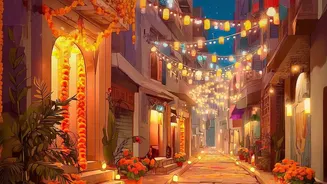
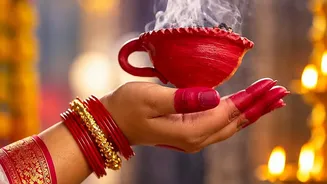
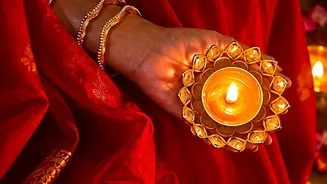
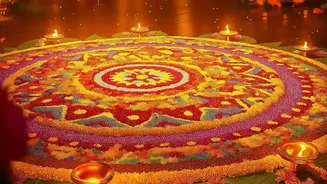
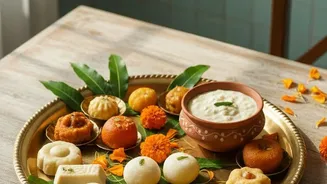
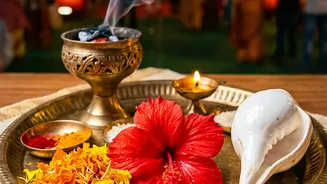
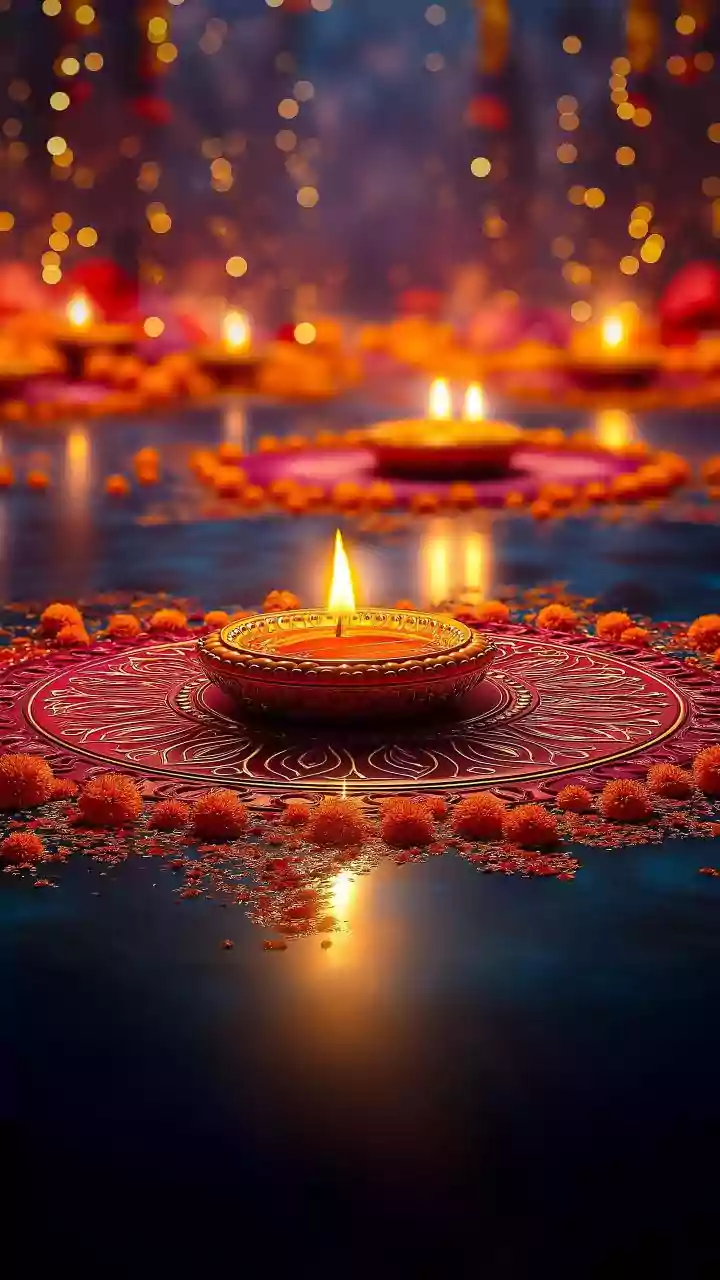
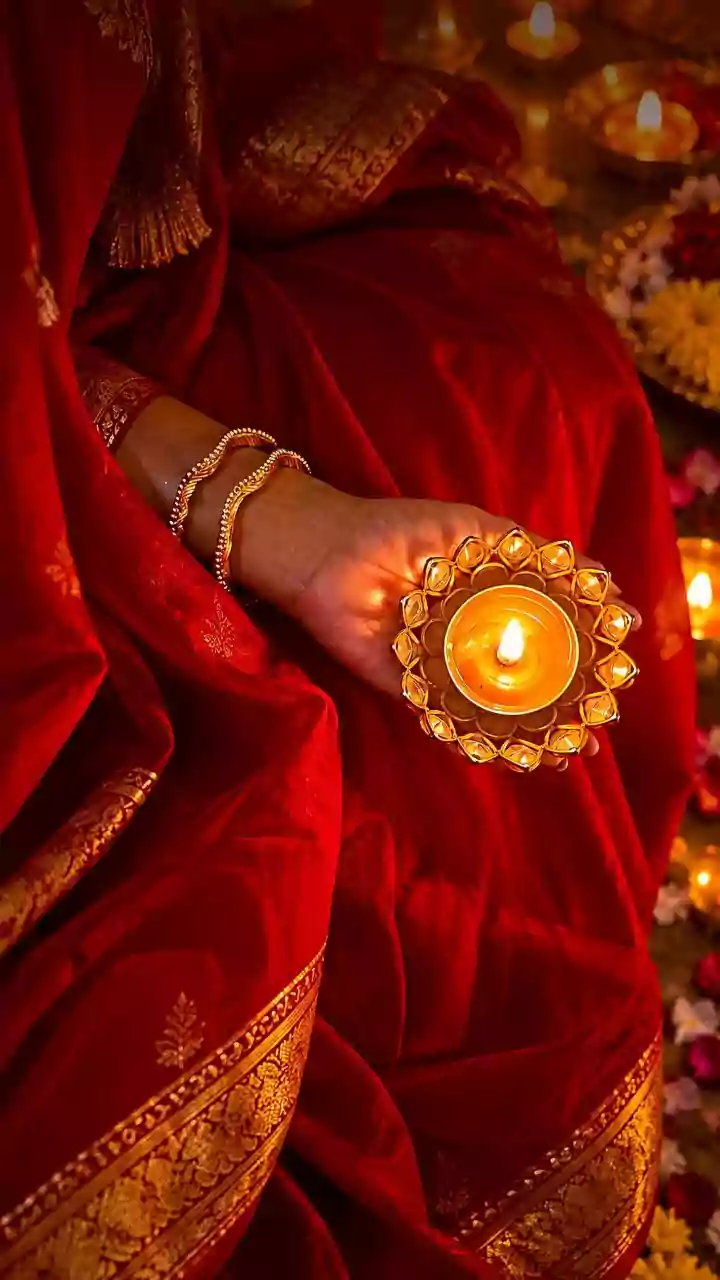
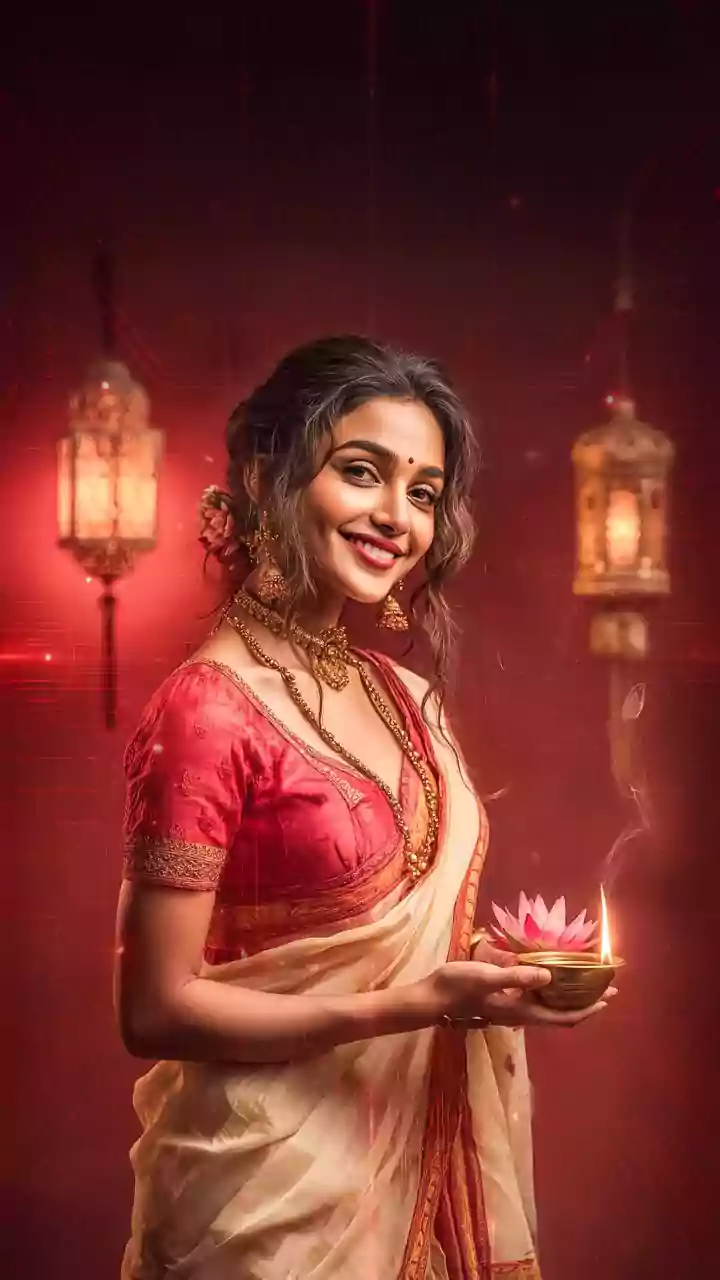
In contrast, the focal point of Diwali celebrations in North India occurs in the evening. The main event is the Lakshmi Puja, performed on the new moon night (Amavasya). Homes are meticulously cleaned and decorated with rangoli, and rows of diyas (earthen lamps) are lit at dusk to welcome Goddess Lakshmi, the bestower of wealth and prosperity. It is believed that the goddess visits clean, well-lit homes to bless the inhabitants. The puja involves elaborate rituals where families gather to worship Goddess Lakshmi, along with Lord Ganesha, who is revered as the remover of obstacles. Offerings of sweets, fruits, and flowers are made, followed by the singing of aarti and the distribution of prasad.
The Return of Lord Rama
The North Indian tradition is predominantly linked to the epic Ramayana. Diwali marks the triumphant return of Lord Rama to his kingdom of Ayodhya with his wife Sita and brother Lakshmana after a 14nd year exile and his victory over the demon king Ravana. As they returned on a dark new moon night, the people of Ayodhya illuminated the entire city with rows of earthen lamps to welcome their beloved king. This act of lighting lamps became the hallmark of Diwali, symbolising the victory of light over darkness and righteousness over evil. The evening Lakshmi Puja is also connected to this narrative, as devotees seek blessings for prosperity upon this auspicious homecoming.
Two Legends, One Unifying Spirit
The differing timelines and traditions of Deepavali celebrations are a direct result of these two distinct mythological narratives. The Southern celebration on Naraka Chaturdashi is timed to the prendawn vanquishing of Narakasura, kicking off festivities in morning. The Northern celebration is tied to welcoming Lord Rama home at dusk making evening most sacred time for rituals. While one honours Krishna's victory and other celebrates Rama's return both stories share universal theme that is essence of Deepavali : triumph over evil light over darkness and knowledge over ignorance. These regional variations are not contradictions but rather beautiful testament to India's rich and diverse cultural fabric where different paths lead to same jubilant celebration light.