






The Power of Your Pantry
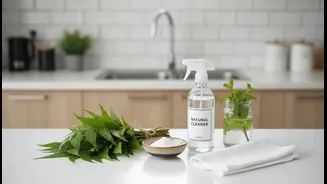
Before reaching for harsh chemicals, look inside your kitchen pantry. White vinegar, baking soda, and lemon juice are a powerful trio for monsoon cleaning. Vinegar is a mild acid that can disinfect, deodorise, and cut through grime and even some types
of mould. Baking soda is a gentle abrasive and a fantastic odour absorber, perfect for scrubbing surfaces and refreshing stale air. Lemon juice not only cleans but also leaves behind a fresh, natural scent, cutting through the damp smell that often settles in during the rains. These ingredients are inexpensive, readily available, and safer for homes with pets and children, especially when windows are often closed against the rain.
Tackling Mould and Mildew
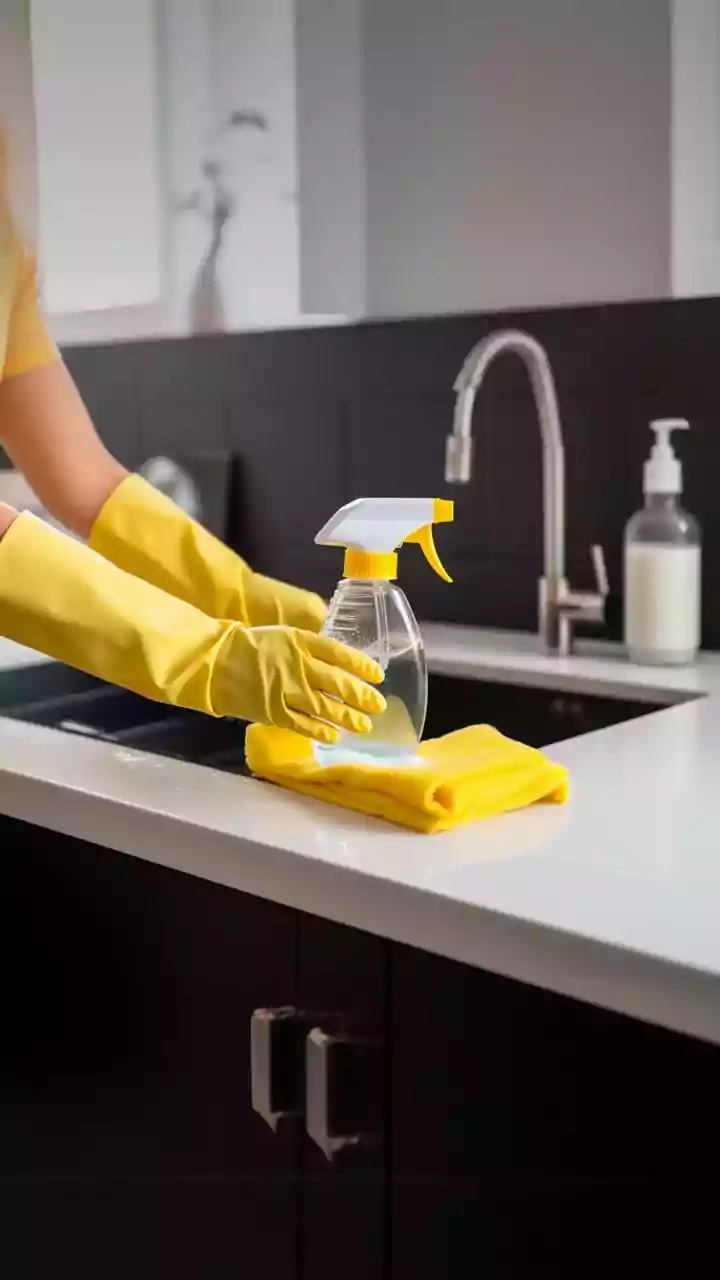
Damp walls and dark corners are breeding grounds for mould and mildew during the monsoon. To combat this, an undiluted white vinegar spray is highly effective. Pour white vinegar into a spray bottle and apply it directly to the affected surfaces. Let it sit for at least an hour before wiping the area clean with water. For more stubborn spots, a paste of baking soda and a little water can be used as a scrub. Always wear gloves and ensure some ventilation if possible. This method is particularly useful for renters who cannot repaint with anti-fungal paints.
Banishing Musty Odours
Cupboards and closed rooms often develop a persistent musty smell due to trapped humidity. To fight this, ventilation is key; open windows and doors whenever there is a break in the rain to allow air to circulate. For enclosed spaces like wardrobes, place small open bowls of baking soda to absorb moisture and odours. You can also use natural fragrances like dried neem leaves, camphor tablets, or cotton balls soaked in essential oils like lavender or eucalyptus. Placing freshly ground coffee in an open container inside a closet can also quickly absorb musty smells.
Keeping Floors Clean and Dry
Floors can feel perpetually grimy and damp during the monsoon. Instead of chemical-heavy floor cleaners, try a natural solution. Add a cup of white vinegar to your mopping bucket; it helps disinfect and leaves a streak-free shine without a sticky residue. For extra fragrance and pest-repelling properties, you can add a few drops of lemon juice or eucalyptus oil to the water. After mopping, running a fan over the floor will help it dry much faster, preventing the growth of mildew in tile grout. It's also wise to store away absorbent rugs and carpets for the season, as they trap moisture and dirt.
Natural Pest and Insect Control
The rainy season often sees an increase in ants, flies, and other insects. Simple ingredients can help deter them. To keep ants away, wipe counters with a solution of equal parts water and white vinegar; this erases their scent trails. Sprinkling turmeric powder or cinnamon at entry points can also create a barrier they won't cross. For a general insect repellent, boiling neem leaves in water and using that water to mop floors can be effective. The strong scent of cloves, camphor, and bay leaves can repel cockroaches when placed in kitchen cabinets and near drains.
Laundry and Fabric Care
Getting clothes to dry is a major monsoon struggle, often resulting in smelly laundry. To prevent this, ensure clothes are not left in the washing machine after the cycle ends. Adding half a cup of white vinegar to the final rinse cycle helps neutralise odours and removes detergent residue that traps moisture. If clothes already smell musty, rewashing them with a small amount of baking soda can help. Whenever possible, hang clothes with ample space for air to circulate, and use a fan to speed up the drying process indoors.