





The Problem with Professional Photos
Official hotel photos are marketing tools, not documentary evidence. They are designed to sell an idealised version of a property. Photographers use specific techniques to make spaces appear larger, brighter, and more pristine than they might be in reality.
The most common tool is a wide-angle lens, which can stretch perspectives, making a compact room look palatial by pushing walls back and exaggerating the distance between furniture. Lighting is also carefully manipulated, often blending multiple exposures to create a perfectly balanced image of a room and its outside view that doesn't exist in nature. Furthermore, these photoshoots happen when a hotel is brand new or just after a major renovation. The images you see online could be five to ten years old, capturing a moment in time before thousands of guests and suitcases left their marks.
Your Secret Weapon: The Guest Photo Gallery
For an unfiltered dose of reality, the most valuable resources are photos taken by actual guests. These candid shots are the antidote to professional staging. You can find them on major review sites like TripAdvisor and on booking platforms, often under a 'Traveller Photos' or similar tab. Google Maps is another excellent source; when you look up a hotel, navigate to the photos section and select the 'From Visitors' tab to see images uploaded by guests. This user-generated content provides social proof and a level of authenticity that polished marketing materials can't match. While a professional shot shows the room at its absolute best, a guest's smartphone picture shows you what to actually expect on a typical Tuesday afternoon.
How to Decode a Guest's Photo
Once you find these photo galleries, you need to know what to look for. To get a true sense of scale, ignore the wide, sweeping shots and focus on the relationships between objects. How much space is there between the edge of the bed and the wall? Is the desk just a narrow shelf, or is it large enough for a laptop? Look for standard-sized items like pillows or interior doors to give you a reliable sense of proportion. These photos are also invaluable for verifying the view. If professional shots conveniently blow out the windows with white light, it might be to hide an unappealing view of a brick wall. Guest photos will show you exactly what you'll see from your window. Finally, pay attention to the date the photos were posted. A review from two months ago is a far more reliable indicator of the current condition than one from three years ago.
Beyond Layout: Checking for Cleanliness and Wear
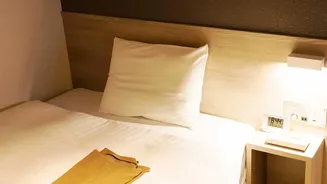
Guest photos offer crucial clues about a hotel's maintenance and housekeeping standards. While professional images are taken after a room is meticulously staged—with every cord hidden and every pillow fluffed—guest photos capture the lived-in reality. Look for signs of wear and tear that are typically edited out of promotional shots, like scuffed walls, stained carpets, or worn furniture. The condition of the bathroom is particularly telling. If a hotel’s official gallery has few or no bathroom pictures, it could be a red flag. Guest photos can confirm whether the bathroom is modern and clean or dated and in need of an update. Even the bedding can be an indicator; crisp, all-white bedding often signals a hotel has modern standards of cleanliness, while dated, patterned bedspreads can suggest otherwise.