







The Rise of the Analog Traveler
First, let's define what 'analog travel' even means. It’s not about rejecting technology entirely, but about prioritizing tangible, low-tech experiences over digital distractions. Think navigating a new city with a physical map instead of GPS, capturing
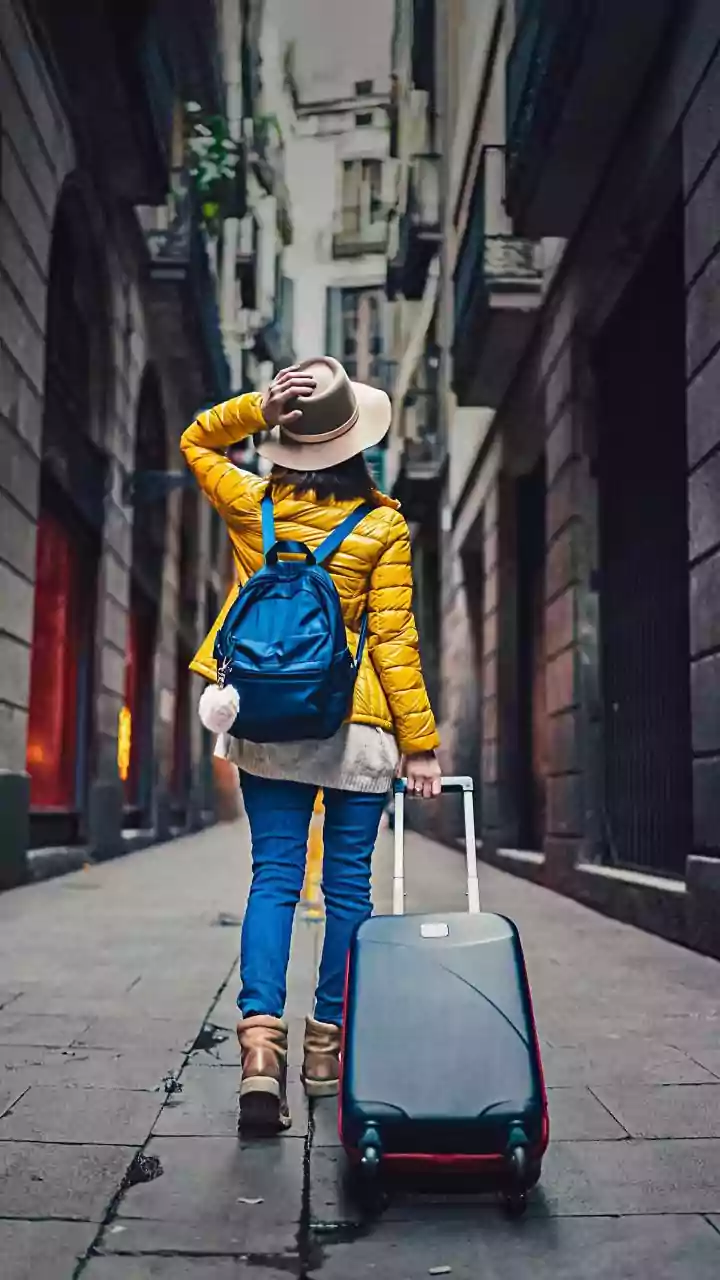
moments on a film camera rather than a smartphone, or keeping a handwritten journal instead of a social media story. This approach encourages a slower, more deliberate pace, forcing you to engage more deeply with your surroundings. Instead of being fed information by an algorithm, you might ask a local for directions and discover a hidden gem. The goal is to move from being a content creator, endlessly documenting for an online audience, to being an active participant in your own adventure.
A Response to Digital Burnout
The desire for analog experiences isn't happening in a vacuum. It is a direct response to widespread digital burnout. Many people now spend hours each day staring at screens, a habit that has been linked to increased stress, anxiety, and poor sleep. The pandemic era, with its remote work and social isolation, intensified our reliance on technology, leaving many feeling overwhelmed by constant notifications and the pressure to be always available. In a 2024 survey, Americans reported spending an average of 4.5 hours a day on their phones, a staggering 52% increase from 2022. Analog travel serves as a powerful antidote, offering a chance to truly unplug and allow the nervous system to rest. Studies show that even a week-long digital detox can significantly reduce anxiety and improve sleep.
Welcome to the 'Reset Economy'
This trend dovetails perfectly with a broader cultural shift some are calling the 'Reset Economy'. Spurred by the global pause during the pandemic, this concept refers to a reprioritization of personal values. People are increasingly seeking purpose, well-being, and genuine human connection over traditional markers of success. In travel, this translates to a preference for quality over quantity. Post-pandemic travelers are showing they are willing to spend more on trips that are sustainable, align with their values, and offer opportunities for authentic experiences and self-development. It's less about ticking off a bucket list and more about meaningful immersion and creating lasting memories.
Finding the Joy of Missing Out
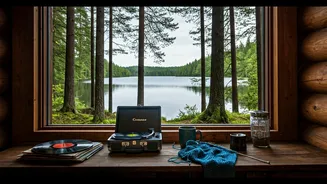
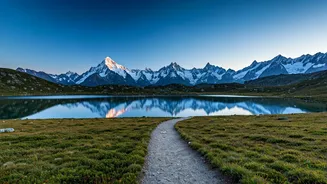
For years, the 'Fear of Missing Out' (FOMO) drove people to constantly check their feeds. Now, travelers are discovering the 'Joy of Missing Out' (JOMO). By disconnecting, they find they can be more present in the moment, fully immersing their senses in the experience. Conversations with travel partners go deeper without the distraction of a glowing screen, strengthening bonds. Research has shown that spending time in nature, a common component of digital detox trips, can reduce stress and enhance creativity. This isn't just about escaping work emails; it's about reclaiming your attention and rediscovering the world—and yourself—without a digital filter.
How to Plan Your Own Analog Trip
Ready to try it? You don't have to go completely off-grid in the Amazon to reap the benefits. Start by identifying a goal for your trip, like reconnecting with family or spending more time in nature. Plan activities that don't require a screen, such as hiking, reading, or learning a new skill. Let friends and family know you'll be offline to remove the pressure to check in. Consider leaving the laptop at home and packing a film or digital camera to separate the act of taking photos from the temptation of scrolling. You can even choose accommodations in rural areas where the signal is naturally limited, making the detox easier to stick to.