


A Sweet and Savoury Collision
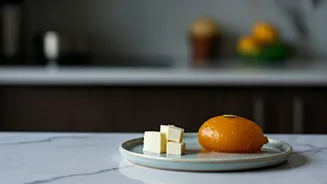
At first glance, the idea of mixing rasgulla with cheese sounds like a culinary prank. The classic Bengali sweet, known for its spongy texture and immersion in sugar syrup, seems worlds away from the savoury, salty profile of cheese. Yet, the trend is
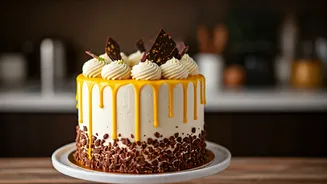
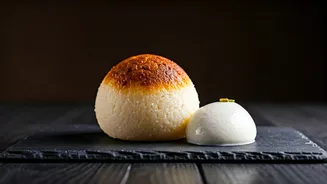
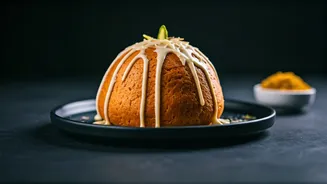
taking hold, manifesting primarily as a 'baked rasgulla' or 'rasgulla cheesecake'. The dish typically involves arranging syrup-drained rasgullas in a baking dish, covering them with a rich mixture of cream cheese, condensed milk, and sometimes paneer or rabri, and then baking until the top is caramelized and golden. The result is a dessert that blurs the lines between a traditional mithai and a Western-style baked pudding, served warm and bubbling.
The Social Media Engine
Like many modern food phenomena, the cheesy rasgulla owes much of its fame to the internet. Platforms like Instagram and YouTube are fertile ground for visually arresting and slightly shocking food content. A dish that combines a traditional favourite with an unexpected twist is practically designed to go viral. Food bloggers and home cooks have been quick to share their own versions, from elaborate no-bake cheesecakes featuring hidden rasgullas to simpler baked versions. The question, “Will this make someone stop scrolling?” has become a key driver for menu innovation in cafes and restaurants, and this dessert is a perfect example of a scroll-stopping creation. The curiosity factor is immense; even if viewers are sceptical, many are tempted to try it, either by ordering it or making it themselves.
A Craving for Novelty and Fusion
This trend isn't happening in a vacuum. It speaks to a broader shift in the palate of young, urban Indians, who are increasingly adventurous and open to experimentation. Exposed to global cuisines through travel and media, they are comfortable with fusion flavours that blend the familiar with the new. Indian cuisine itself has a long history of absorbing external influences, from Mughal-era richness to Portuguese baking techniques. Modern fusion is just the latest chapter, where chefs and home cooks are creatively combining local tastes with international formats like pasta, pizza, and cheesecake. For many, it's about creating a new experience and moving beyond the predictable, even if it means playfully challenging culinary traditions.
But How Does It Actually Taste?
Scepticism about the flavour combination is understandable, but there is a culinary logic at play. The concept is not far from a classic cheesecake, which masterfully balances the sweetness of its filling with the tangy, savoury notes of cream cheese. When you swap the biscuit base for soft, syrup-soaked rasgullas, you are essentially creating a new kind of cheesecake. The key is using the right kind of cheese. Mild, creamy varieties like cream cheese, or even fresh paneer and khoya, complement the sweetness rather than clashing with it. The pairing also taps into the globally popular sweet-and-salty flavour profile, similar to salted caramel or cheese served with fruit preserves. When done well, the creaminess of the baked cheese mixture cuts through the intense sweetness of the rasgulla, creating a balanced and rich dessert.
Part of a Bigger Culinary Conversation
Baked rasgulla with cheese is part of a larger wave of culinary experimentation across India. While some fusion creations are designed purely for shock value and social media chatter, others represent genuine attempts at innovation. This particular dish seems to fall into the latter category, standing as a creative reimagining of how traditional sweets can be presented. It reflects a growing confidence in Indian food culture, where chefs and home cooks feel empowered to deconstruct and reconstruct classic recipes for a modern audience. It shows that tradition isn't a static museum piece but a living entity, capable of adapting and evolving in delicious and unexpected ways.