

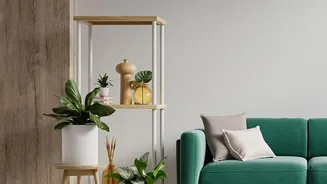
The Mindset Shift: Your Furniture IS Your Storage
The most effective approach to small-space living is to stop thinking about furniture and storage as two different categories. Instead, view every piece of furniture as a potential storage opportunity. This integrated thinking is the foundation of a clutter-free
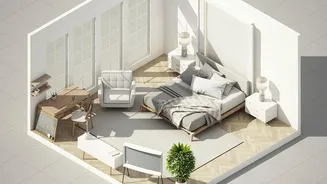
and functional home. Instead of a standard coffee table, consider a lift-top version that conceals magazines, remotes, and chargers while also doubling as a work surface. An ottoman can offer seating and a place to hide away blankets or board games. Beds with built-in drawers underneath eliminate the need for a separate dresser, freeing up valuable floor space. The goal is to make every major item in a room perform at least two jobs. By choosing pieces that are inherently designed for storage, you embed organization directly into the fabric of your home, rather than adding it as an afterthought.
Embrace Strategic Multi-Functionality
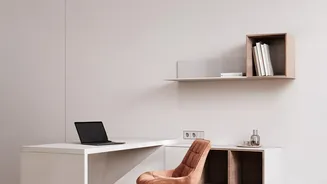
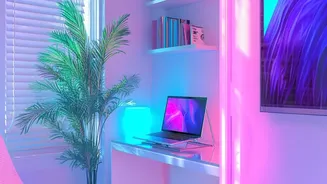
Beyond simple storage, true multi-functional furniture transforms to meet your changing needs throughout the day. This is especially crucial as more people work from home, turning living rooms into offices and guest rooms. A convertible sofa bed is a classic example, but modern designs have become far more sophisticated and comfortable. Consider a sleek, wall-mounted desk that folds away when not in use, preserving the room's primary function as a living or sleeping area. Expandable dining tables can accommodate guests without permanently dominating a room, while nesting tables provide flexible surfaces that can be tucked away neatly. By selecting adaptable furniture, you create a dynamic space that serves multiple purposes without feeling crowded or compromised.
Go Vertical: Reclaim Your Wall Space
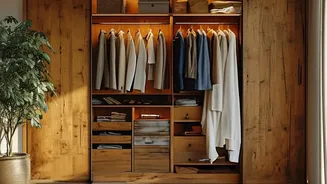
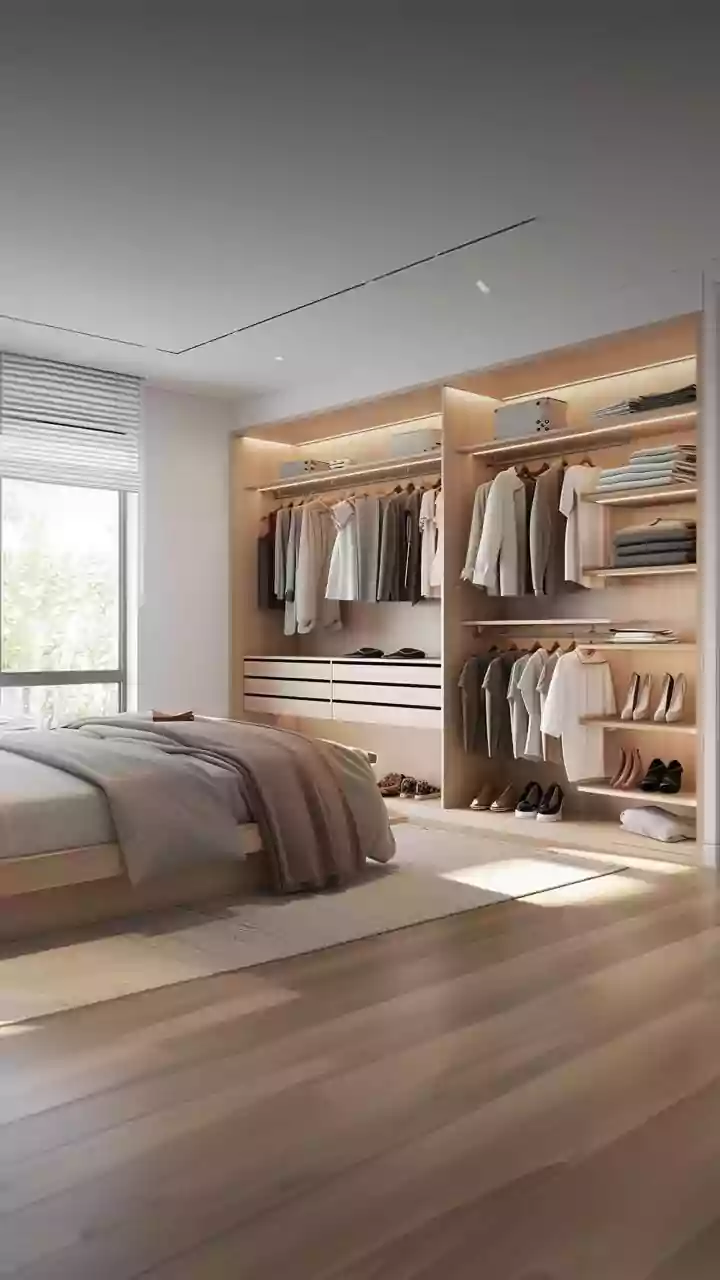
When floor space is limited, the only way to go is up. Vertical space is often the most underutilized asset in a small home. Instead of wide, low bookcases that eat up floor area, opt for tall, narrow shelving units that draw the eye upward and make the room feel higher. Modular wall systems are a particularly smart investment; they can be configured to include shelves, cabinets, and even an integrated desk, creating a cohesive and highly efficient wall unit. Don't overlook the potential of the space above doorways or in high corners for storing less frequently used items. Using floating shelves and wall-mounted cabinets keeps the floor clear, which creates an illusion of greater space and makes cleaning easier.
Create Visual Harmony and Flow
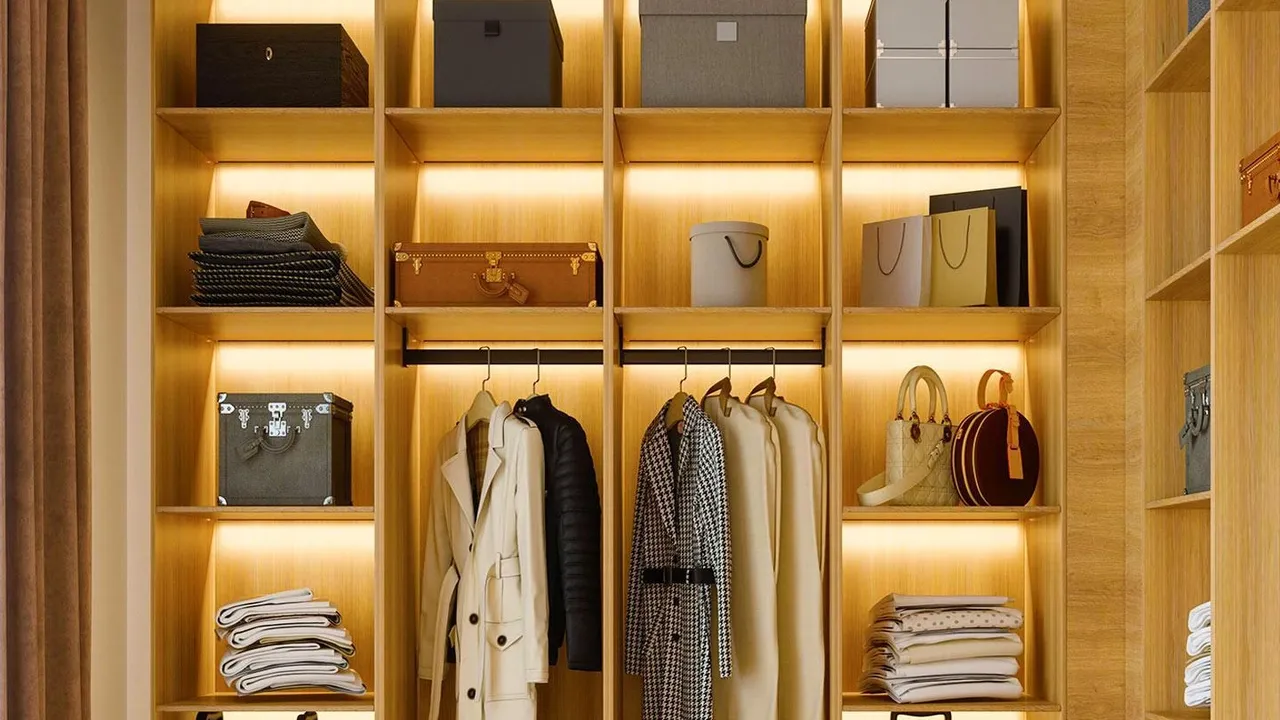
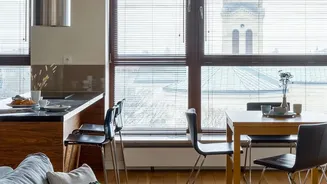
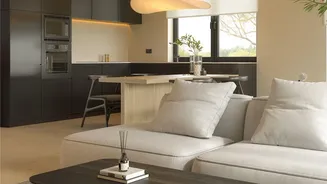
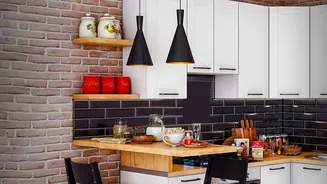
A successful small space feels calm and cohesive, not chaotic. This is achieved by creating visual harmony between your furniture and your visible storage. If you use open shelving or glass-front cabinets, the items inside become part of your decor. Use attractive baskets, bins, and containers to conceal clutter while adding texture and style. Sticking to a consistent color palette for both your large furniture pieces and storage elements helps unify the space. Using furniture with raised, slender legs also contributes to a sense of openness, as it allows you to see more of the floor, creating the illusion of more space. Heavy, chunky furniture can make a room feel crowded, while visually lightweight pieces enhance flow and tranquility.
The Ultimate Tool: A Ruthless Edit
No amount of clever furniture or storage solutions can compensate for simply having too much stuff. Before investing in new pieces, the most critical step is to declutter. Professional organizers often define clutter as anything without a designated home. Go through your belongings and be honest about what you truly use and love. This process of simplifying is what enables your storage systems to work effectively. Once you have edited your possessions, assign a logical home for everything that remains. Daily-use items should be easily accessible, while seasonal or sentimental objects can be stored in less convenient spots like under the bed or on high shelves. A well-organized home is the result of continuous, small habits, not a one-time fix.