


A Taste of Nostalgia
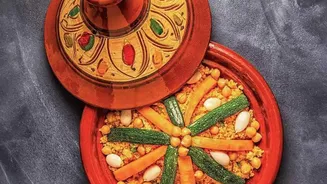
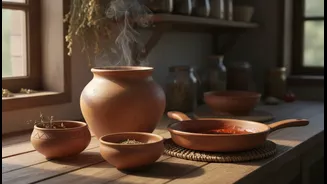
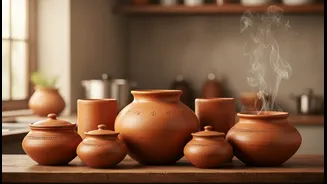
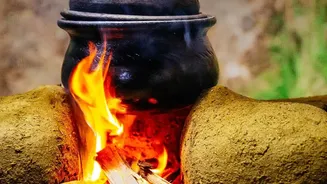
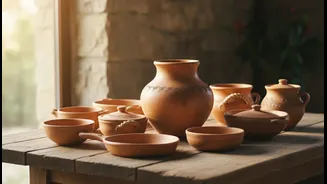
For many, the resurgence of clay cookware is deeply rooted in nostalgia. It evokes memories of ancestral homes, where dal and curries simmered for hours over a low flame, filling the air with a unique, earthy aroma. This return to earthen pots is part
of a broader cultural shift towards embracing traditional practices and a ‘slow food’ philosophy. In a world that often feels overwhelmingly fast-paced, the deliberate and gentle process of clay pot cooking offers a way to reconnect with the past and a more mindful way of preparing meals. This movement isn't just about flavour; it's about reclaiming a piece of cultural heritage that was nearly lost to the convenience of modern steel and aluminium utensils.
The Science of Slow Cooking
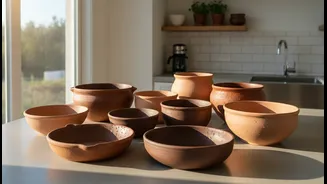
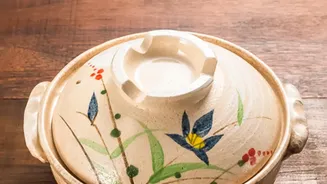
Beyond its nostalgic appeal, clay cookware offers tangible benefits that are now being appreciated by a new generation of home cooks. Clay is naturally porous, which allows heat and moisture to circulate evenly throughout the pot. This results in slow, uniform cooking that keeps food tender, juicy, and less likely to burn. The slow cooking process also helps preserve heat-sensitive nutrients and vitamins that can be destroyed by the high, direct heat of metal pans. Furthermore, clay is alkaline in nature, which can help neutralize the acidity in foods like tomatoes or tamarind, potentially making meals easier to digest and balancing their pH.
Health and Sustainability
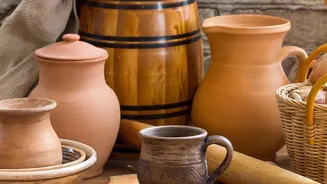
Growing health consciousness is a major driver behind this trend. Unlike many modern non-stick pans, unglazed clay pots are free from synthetic chemical coatings that could potentially leach into food. This makes them a naturally safer option. Cooking in clay also often requires less oil, as the pot's ability to retain moisture helps prevent food from sticking. This aligns with a wider interest in healthier, low-fat cooking. From an environmental perspective, clay is a sustainable choice. Sourced from the earth, these pots are biodegradable and their production typically has a smaller carbon footprint compared to industrial manufacturing. Choosing clay cookware often means supporting local artisans and preserving a craft that has been passed down through generations.
Embracing Earthenware in the Modern Kitchen
Integrating clay pots into a modern kitchen does require some care, but it's simpler than many assume. Before its first use, a new clay pot needs to be seasoned, which usually involves soaking it in water and then allowing it to dry completely. When cooking on a gas stove, it's crucial to always start with low heat and increase it gradually to prevent the pot from cracking due to sudden temperature changes. While they may not be suited for high-heat frying, clay pots excel at slow-cooked dishes like dals, biryanis, fish curries, and vegetable stews, where their unique properties can truly shine. Cleaning is best done with hot water and a soft brush, avoiding harsh detergents that can be absorbed by the porous clay.