

The Search for Authentic Flavours
There's a palpable shift happening in India's food culture. For a generation raised on globalised menus and standardised restaurant chains, the allure of something real and rooted has immense power. Young culinary explorers are increasingly looking past
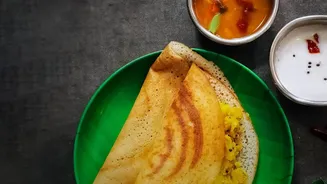
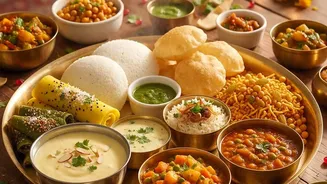
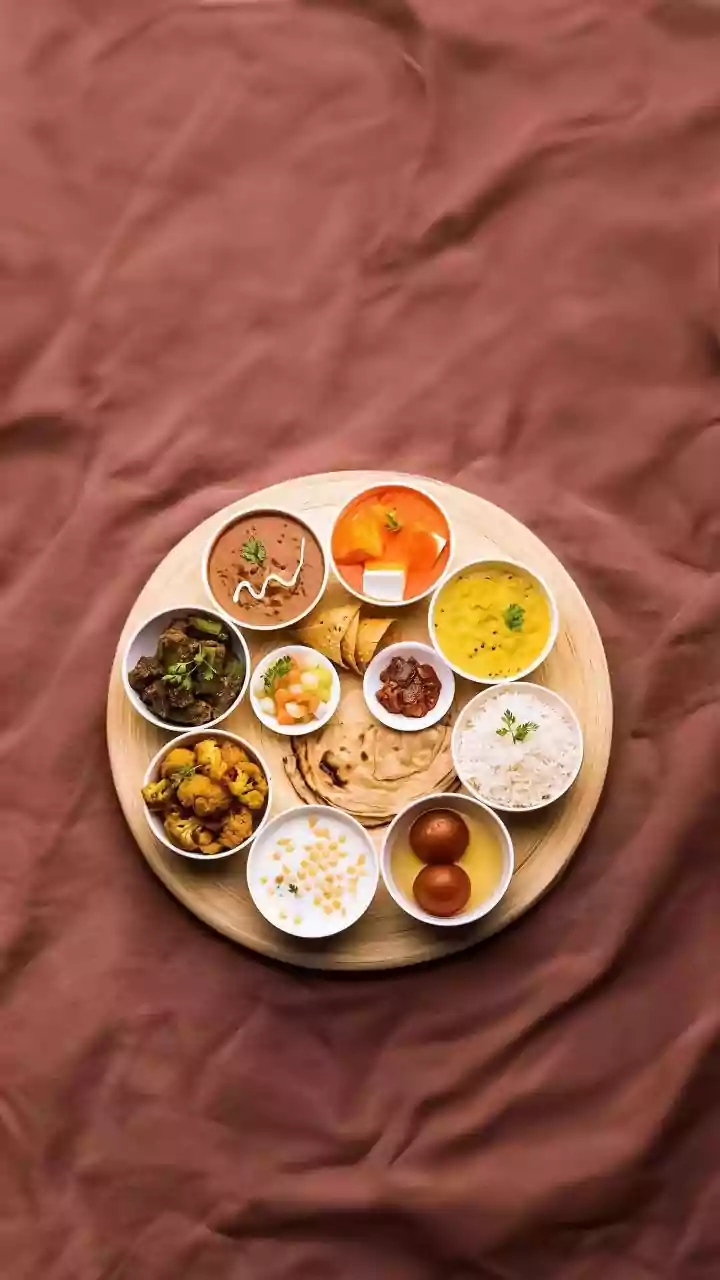
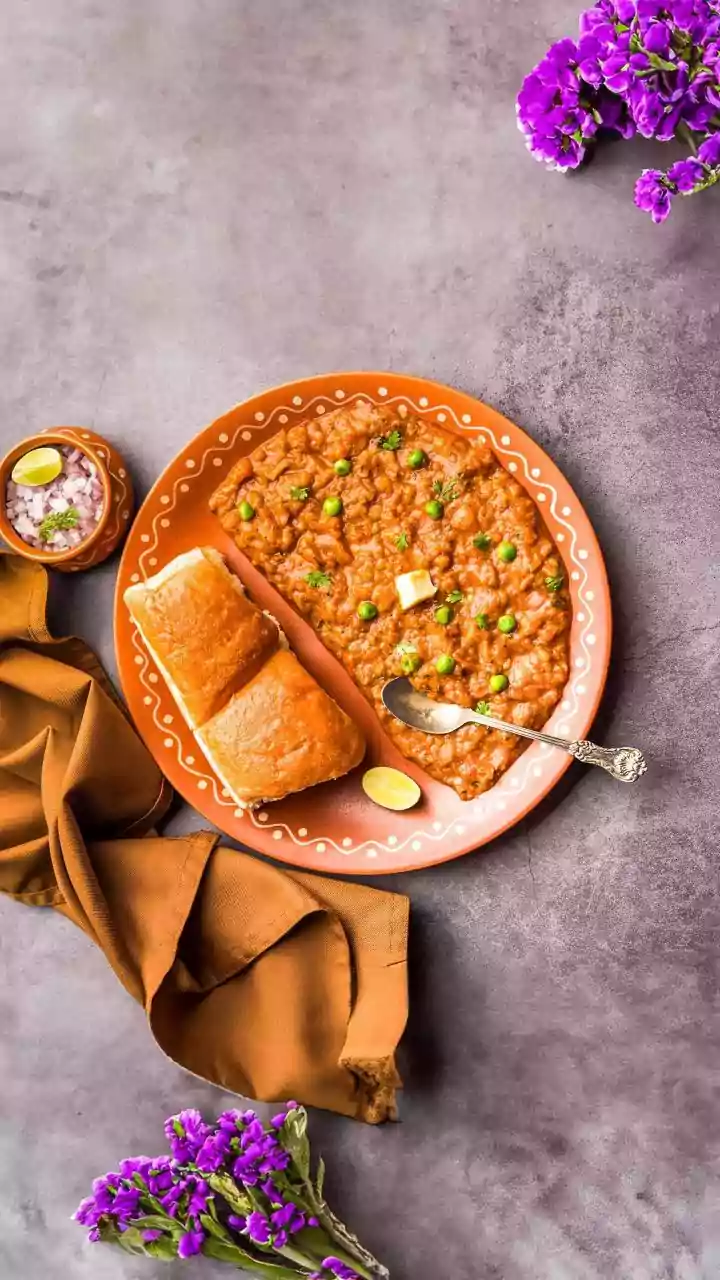
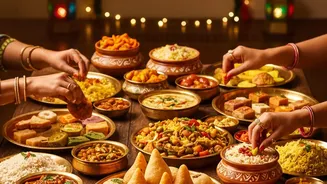
the familiar butter chicken and biryani to discover the hyper-regional dishes that define India’s diverse food map. These winter festivals serve as a vibrant, accessible gateway to that world. They offer a taste of tradition, from recipes passed down through generations to ingredients that are specific to a particular season and geography. It's a move away from just dining out and towards experiencing the story behind the food—a story that a generic city eatery can rarely tell.
Made for the Social Media Age
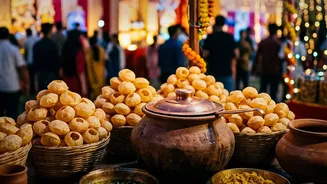
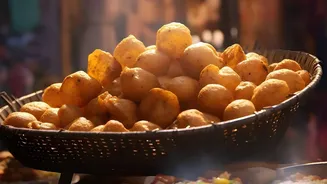
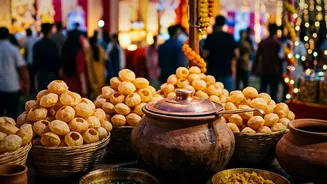
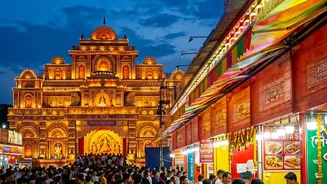
In an era where experiences are often valued more than possessions, food festivals are a goldmine for digital storytelling. The visual appeal of these events—from the colourful chaos of food stalls to the artful plating of a rare local dish—is perfectly suited for Instagram reels and YouTube shorts. For young attendees, documenting their finds is part of the adventure. It’s not just about eating; it's about capturing and sharing a unique cultural moment. A viral video can put a little-known regional delicacy on the national map overnight, and young explorers want to be the ones to make that discovery. This digital word-of-mouth transforms a local festival into a must-visit destination, fuelling a cycle of discovery and popularity.
The Rise of Culinary Tourism
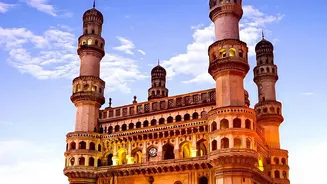
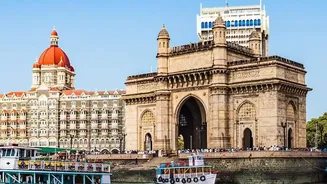
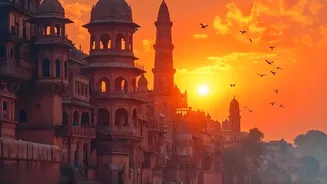
Food is no longer just a part of travel; it is increasingly the reason for it. Regional winter food festivals have become the perfect anchor for short, experience-driven trips. They offer a compelling reason to explore a new town or region over a weekend, combining the thrill of travel with the pleasure of eating. This trend of 'culinary tourism' sees travellers planning entire itineraries around food-related activities, from market tours to cooking workshops. The growth in disposable income and a desire for meaningful getaways have made these food-centric mini-vacations extremely popular among working professionals and young couples looking for a break from the routine.
A Connection to Community and Culture
Beyond the food itself, these festivals offer a powerful sense of community. They bring together local artisans, home cooks, and farmers with an eager audience of food lovers. For young urbanites, it's a chance to connect directly with the source of their food and learn from the people who have preserved these culinary traditions for generations. This interaction is a core part of the appeal. In an increasingly digital world, these events provide a tangible, face-to-face cultural exchange. Sharing a meal, hearing a story from a local chef, or learning about an indigenous ingredient fosters a connection that is both personal and profound, turning a simple meal into a memorable experience.