







A Changing of the Guard
Meta has announced that its long-serving head of infrastructure and co-head of engineering, Santosh Janardhan, will be leaving the company in early 2027. Janardhan, a 17-year veteran who joined in 2009, was instrumental in building the vast global infrastructure that powers
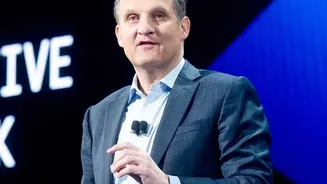
Facebook, Instagram, and WhatsApp. In an internal memo, he stated it was the right time to 'pass the baton' to new leadership. Taking his place is Dave Brown, a former Amazon Web Services (AWS) executive who joined Meta in July 2026. Brown's nearly two-decade career at Amazon focused on cloud computing and AI, making him a strategic choice to steer Meta's next phase. Janardhan will stay on through the first quarter of 2027 to ensure a smooth transition before moving into an advisory role.
The $145 Billion Bet on AI
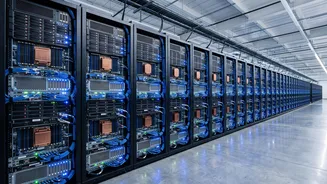
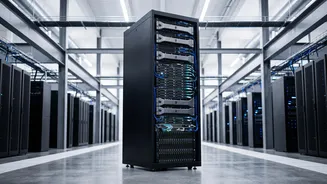
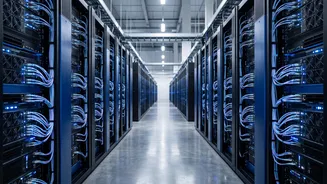
The leadership change comes as Meta plans to spend between $135 billion and $145 billion on capital expenditures (capex) in 2026 alone. This figure, which is nearly double its prior spending levels, is almost entirely dedicated to building out the company's AI infrastructure. This includes constructing massive, power-hungry data centers, securing custom silicon chips, and acquiring the immense computing power needed for its ambitious AI goals. To put the number in perspective, Meta’s projected capex for 2026 is larger than the military budgets of most countries. The spending has already put a strain on the company's finances, leading to negative free cash flow in the third quarter of 2026 and drawing scrutiny from investors.
New Leadership for a New Era
Dave Brown isn't just taking over the infrastructure role; he is also being appointed Chief Technology Officer of the 'Meta Compute' initiative. This places him at the heart of Meta's strategy to scale its data center investments for the AI era. The move signals that Meta is bringing in outside expertise from the world of cloud computing to manage its unprecedented build-out. Brown's experience at AWS, a company that perfected the art of building and operating dependable systems for demanding workloads, is seen as crucial for managing Meta's enormous budget and technical challenges. His appointment is a clear sign that Meta is serious about turning its massive financial investment into a durable, competitive advantage in the AI arms race.
The Race for Artificial General Intelligence
This colossal spending and leadership pivot are all aimed at one ultimate goal: developing Artificial General Intelligence (AGI). CEO Mark Zuckerberg has been vocal about his ambition for Meta to build AGI and, in a departure from competitors like OpenAI, to open-source it responsibly. The strategy involves merging its top AI research groups, FAIR and GenAI, to accelerate progress. To support this, Meta is acquiring a massive arsenal of hardware, with plans to possess nearly 600,000 GPUs by the end of 2024, positioning it as one of the world's largest holders of AI computing power. This all-in strategy, combining immense capital, a reorganized leadership team, and a vast talent pool, represents Meta’s high-stakes attempt to not just compete with, but lead the world into the next era of intelligence.