







The Allure of Living Heritage
So-called 'living-heritage tourism' is built on connecting visitors with the intangible aspects of a culture. This isn't about snapping photos of old buildings; it's about experiencing the traditions, skills, and rituals that define a community. According
to UNESCO, this 'intangible cultural heritage' includes everything from oral traditions and performing arts to social practices and traditional craftsmanship. It is the living, breathing part of a community’s identity, passed down through generations. For travelers, the appeal is obvious. It offers a chance for meaningful connection, to learn a skill, hear a story, and feel like you are engaging with a place on a deeper level. It’s a move away from passive sightseeing toward active participation, promising a more genuine encounter with local life.
When Authenticity Becomes a Job
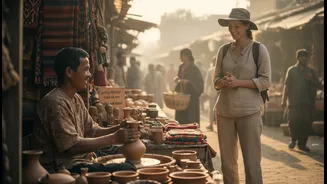
The problem arises when this quest for authenticity puts immense pressure on host communities. What was once a natural part of daily life can become a scheduled, monetised, and repetitive performance for an audience of strangers. This is the danger of cultural commodification, where traditions are repackaged as products for commercial gain. The weaver who once wove for her family or local market now finds her home is a de facto stage. The musician who played for community celebrations is now expected to perform on demand. This shift changes the very nature of the cultural practice. It creates a dynamic where hosts are no longer sharing their culture on their own terms but are instead fulfilling a tourist’s expectation of what their culture should look like. This can lead to a sense of alienation and the erosion of the very authenticity the visitor came to see.
The Hidden Costs of Constant Performance
For host communities, the costs can be significant. There is the psychological toll of living in a state of constant performance, where your home and personal life are open to public view. This can lead to burnout and a feeling of being an exhibit in a human zoo. Research highlights numerous negative impacts, including the erosion of cultural values as traditions are altered to be more tourist-friendly. Sacred or complex rituals may be shortened or simplified, losing their original meaning in the process. Furthermore, it can create social friction and even lead to the displacement of local people as tourism demands reshape local economies and housing markets. Without proper management, the economic benefits of tourism often fail to outweigh the profound cultural and personal costs borne by the hosts.
A More Ethical and Sustainable Path
Protecting host communities does not mean an end to this type of travel. Instead, it requires a fundamental shift towards a more ethical and sustainable model centered on partnership, not performance. The key, according to UNESCO and responsible tourism advocates, is ensuring that communities are at the center of decision-making. This is often called community-led tourism, where local residents determine how, when, and to what extent they share their culture. This model prioritizes the community's well-being over the tourist's demands. It involves establishing clear boundaries, such as setting specific times for visits, limiting group sizes, and prohibiting photography without explicit consent. It also ensures that the economic benefits flow directly back to the community, providing fair compensation for their time and expertise, and funding local preservation efforts. This approach fosters mutual respect and allows for a genuine exchange where both visitor and host benefit.