

A Shift in Travel Mindset
For years, the Indian travel calendar was predictable: escape the heat in summer and embrace the pleasant weather in winter. The monsoon, with its downpours and potential for disruption, was largely considered an off-season. But that perception is rapidly
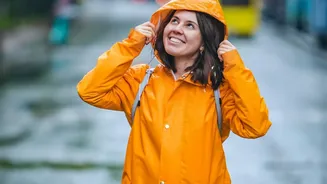
changing. A growing number of weekend travellers are now seeing the rains not as an obstacle, but as an attraction in itself. Data shows a significant spike in searches and bookings for monsoon destinations, with some platforms reporting a year-on-year increase of nearly 40% for domestic vacation searches during this period. This shift is driven by a desire for unique, experience-led trips that offer a break from the routine, with travellers prioritising wellness, nature, and cultural immersion. Instead of avoiding the rain, people are seeking out destinations where the season becomes part of the experience.
The Allure of Greener Landscapes
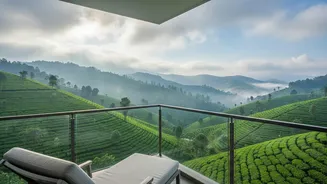
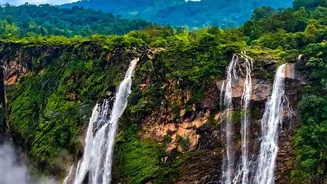
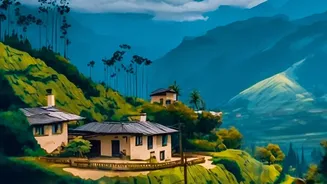
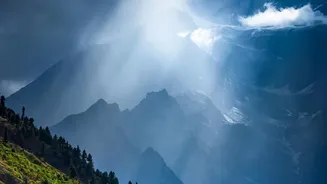
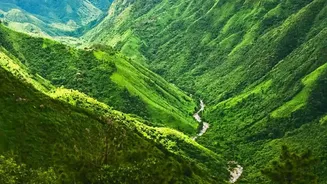
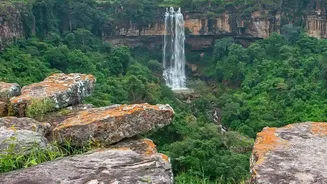
The primary draw of a monsoon trip is the dramatic transformation of the landscape. After months of dry heat, the rains breathe life into the country, turning hills and forests into a vibrant, seemingly endless expanse of green. Destinations in the Western Ghats, such as Lonavala, Mahabaleshwar, Coorg, and Munnar, become particularly popular. These hill stations, often just a short drive from major cities like Mumbai, Pune, and Bengaluru, come alive with overflowing waterfalls, misty valleys, and fog-covered coffee plantations. The air smells of wet earth, and the scenery becomes a paradise for nature lovers and photographers. Even arid regions like Rajasthan offer a different kind of charm, with lakes in cities like Udaipur filling up to create a romantic and royal setting.
Smarter Travel: Fewer Crowds and Lower Costs
Beyond the visual appeal, travelling during the monsoon makes practical sense. As it's still considered a shoulder season in many places, popular tourist spots are significantly less crowded. This allows for a more authentic and peaceful experience, whether you're exploring ancient caves, visiting a viewpoint, or simply enjoying a cup of tea at a local stall. The lack of crowds is complemented by another major benefit: lower prices. Hotels and airlines often offer attractive discounts to entice travellers, with room rates sometimes dropping by 15-25% compared to the peak season. This affordability makes spontaneous weekend trips, or 'micro-cations', more accessible, especially for younger travellers looking for a quick escape without a hefty price tag.
Experiences Unique to the Season
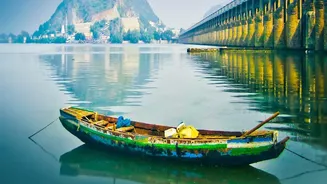
Monsoon travel is about more than just sightseeing; it's about embracing activities that are only possible during the rains. Treks to overflowing waterfalls, like Dudhsagar in Goa or those scattered across the Sahyadris, become the main event. In Kerala, this is considered the best time for Ayurvedic treatments, as the moist, cool air is believed to help the body absorb the therapeutic oils more effectively. The backwaters, refreshed by the rain, offer a serene setting for houseboat cruises. For many, the simple joy of sitting on a veranda with a hot beverage, watching the downpour, and enjoying local monsoon snacks like roasted corn or hot pakoras is an experience in itself. This trend towards experience-led travel has seen destinations like Rishikesh and Mussoorie surge in popularity, as they offer a mix of spirituality, adventure, and relaxation amidst the rain-washed hills.