



Finding Life in Earth's Harshest Places
To find life on other worlds, astrobiologists first had to define what they were looking for. This forced a fundamental question: what are the absolute limits of life? The answer wasn't in quiet forests or gentle seas, but in Earth's most punishing environments.
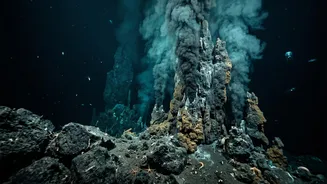
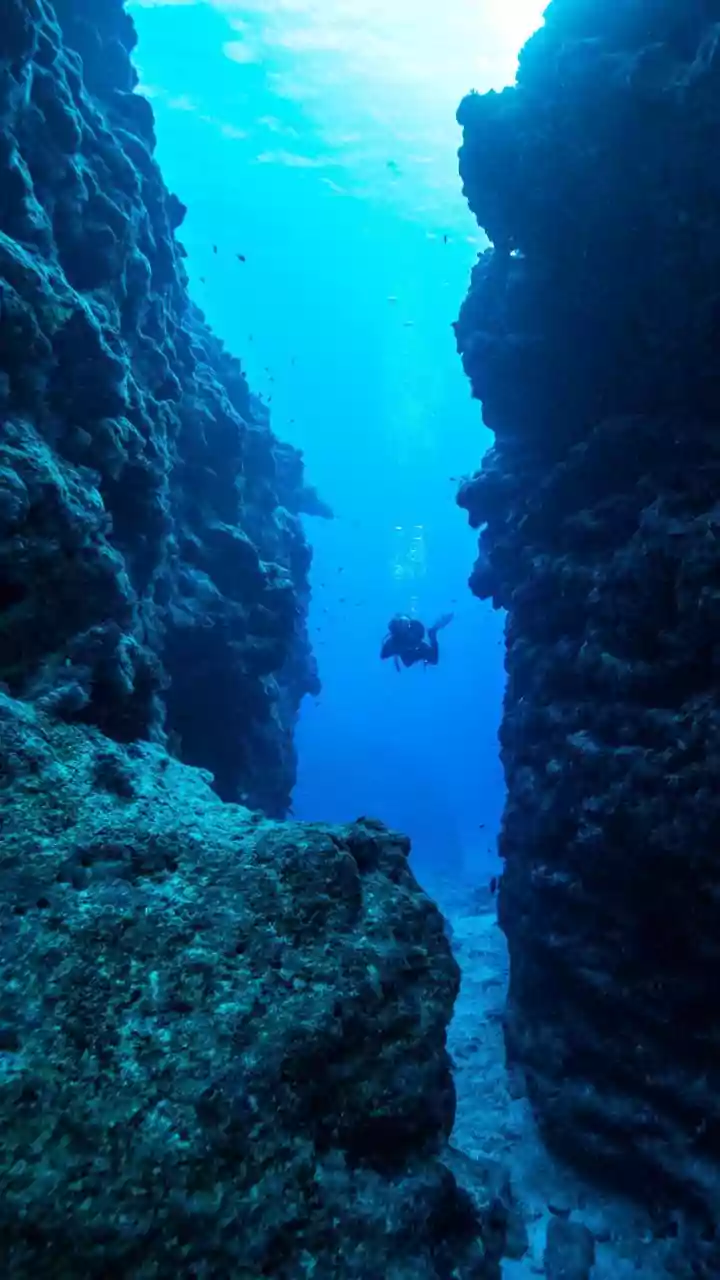
Scientists began studying 'extremophiles': organisms that thrive in conditions once thought unsurvivable. They found microbes in boiling hot springs, deep-sea hydrothermal vents under crushing pressure, brutally acidic waters, and even within rocks miles beneath the Earth's surface. This exploration into our planet's hidden biology radically expanded our definition of a 'habitable' environment. By understanding how life clings on in these terrestrial extremes, researchers can better identify potential habitats on Mars, which resembles some of Earth's driest deserts, or the subsurface oceans of icy moons like Europa and Enceladus. The search for aliens, ironically, led us to discover just how tenacious and widespread life is on our own planet.
A Planetary Stress Test
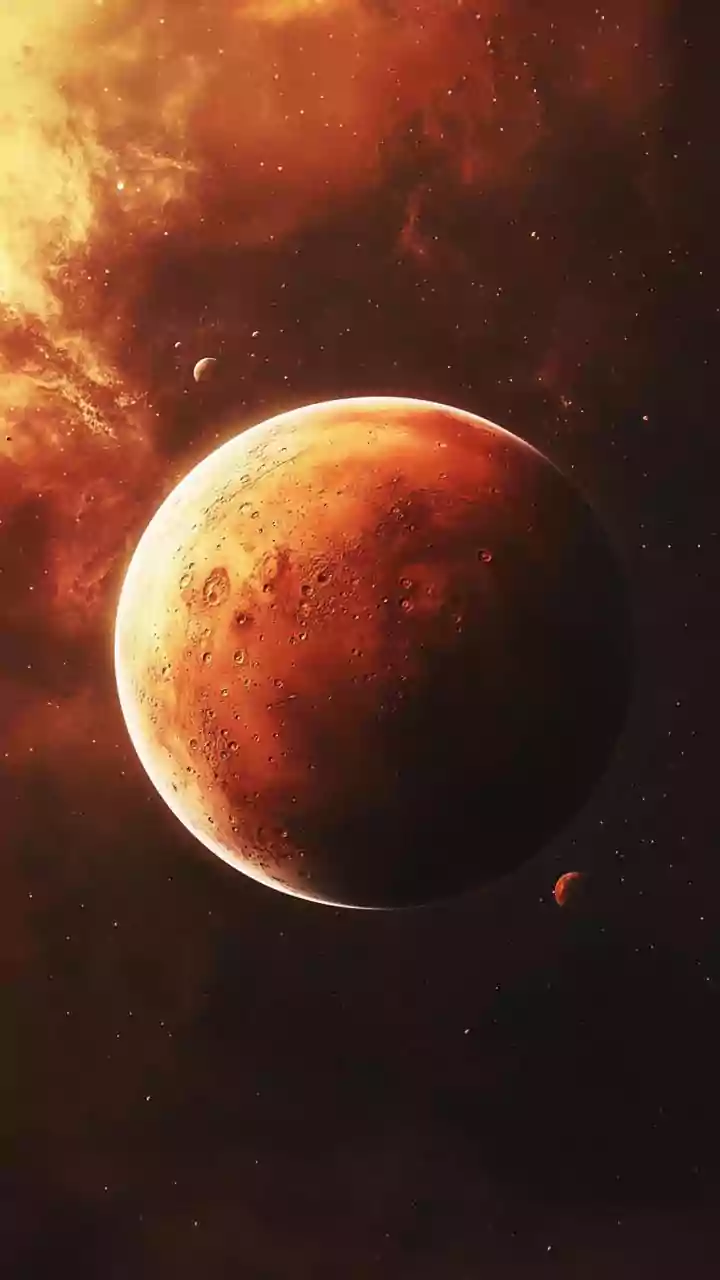
How do you know if a planet is healthy? You compare it to others. By studying the atmospheres of planets in our solar system and beyond, we get a much clearer picture of what makes Earth so special—and so fragile. Venus, for example, serves as a terrifying case study in a runaway greenhouse effect, a world with a crushingly dense, hot atmosphere. Mars, on the other hand, shows us a planet that lost its atmosphere and its surface water. Studying these planetary neighbours helps scientists refine the climate models they use to predict Earth's future. When computer models designed for Earth's climate are applied to Mars or Venus, they sometimes fail, revealing that subtle effects neglected here can be dominant elsewhere. Fixing these models to work on other planets makes them more robust for predicting changes on Earth, helping us understand tipping points and the long-term consequences of atmospheric changes.
Decoding the Signs of Life
If we were to look at Earth from a distant star, how would we know it's inhabited? Scientists are working to identify 'biosignatures'—gases or chemical compositions in a planet's atmosphere that are likely produced by living organisms. On Earth, the abundance of oxygen is a dead giveaway, a product of photosynthesis. The work to identify other potential biosignatures on exoplanets forces us to look deeper into our own planet's long history. For billions of years, life on Earth existed without producing large amounts of oxygen. What signs did it leave? This pushes scientists to investigate the subtle chemical fingerprints of early, non-oxygen-breathing life. This not only prepares us for what to look for on other worlds but also gives us a richer understanding of the co-evolution of life and Earth's environment through deep time, long before humans arrived.
A New Perspective on Ourselves
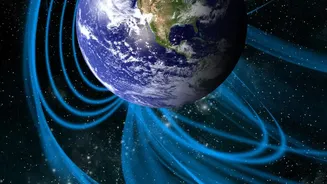
Ultimately, astrobiology provides a cosmic perspective on our own existence. It underscores that human life is not separate from our planet but deeply embedded within its biosphere. The study of how planetary systems succeed or fail in sustaining life provides critical context for our own challenges with sustainability and climate change. By seeing Earth not as an isolated system but as one data point among potentially billions, we gain a unique appreciation for its finely tuned systems that allow complex civilizations to thrive. This outlook transforms astrobiology from a purely exploratory science into one that holds a mirror up to humanity. It reveals our profound dependence on a stable planetary environment and highlights the urgency of protecting the only biosphere we know for certain exists.