







The Great Annual Pause
Every year, around June or July, the core areas of most of India’s premier tiger reserves and national parks close their gates to tourists. This isn't a sudden decision; it's a planned, annual rule mandated by the National Tiger Conservation Authority
(NTCA) and implemented by state forest departments. Parks like Ranthambore in Rajasthan, Corbett in Uttarakhand, and Tadoba in Maharashtra shut down their main safari zones, typically until the end of September or early October. This three-month hiatus from human activity is a cornerstone of India's conservation policy, designed to give nature a much-needed break.
A Time for New Life
One of the primary reasons for the closure is that the monsoon is a critical breeding season for a wide array of wildlife. While tigers can breed year-round, the dense vegetation and reduced stress of the rainy season provide an ideal, undisturbed environment for tigresses to give birth and raise their vulnerable cubs. The quiet allows these apex predators, along with other species like elephants and deer, to mate and nurture their young without the pressure of safari vehicles and tourist activity. This period of non-interference is crucial for ensuring the health and survival of the next generation of wildlife.
Healing the Forest Floor
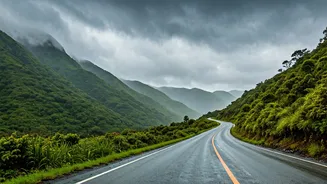
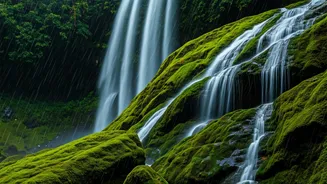
The monsoon doesn't just benefit the animals; it's a vital period for the entire forest ecosystem to regenerate. The heavy rains transform the dry, sun-baked landscapes into lush, green wonderlands. This burst of new growth is essential for replenishing the forest understory, which provides food and cover for countless species. The closure also allows the forest itself to heal. Constant safari traffic damages the unpaved forest tracks, leading to soil erosion. The monsoon break gives park authorities the time to undertake essential maintenance, repair roads, and restore habitats without disturbing visitors or wildlife.
Safety Above All
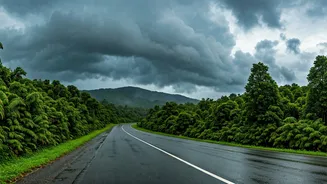
Beyond the ecological benefits, the monsoon rules are also a matter of public safety. Heavy downpours can make forest trails slippery and treacherous, leading to flash floods and even landslides in hilly terrains. Roads become waterlogged and impassable, making safari operations risky for both tourists and park staff. By temporarily suspending tourism, authorities mitigate the risk of accidents in remote areas where weather conditions can change rapidly and access for emergency services is limited.
Not a Total Shutdown
While the core zones, the most ecologically sensitive parts of the reserves, are strictly off-limits, it doesn't mean the entire forest is closed. Many tiger reserves keep their buffer zones open for limited, regulated tourism. These areas, which surround the core, often offer surprisingly good wildlife sightings as animals move freely in the rejuvenated landscape. Furthermore, the monsoon period sees an increase in anti-poaching patrols. With fewer tourists around, forest departments ramp up surveillance to protect the vulnerable breeding animals from illegal activities, ensuring the sanctuary remains a safe haven.