




The Protein Power-Up
The single biggest reason for Greek yoghurt's rising popularity is its impressive protein content. The magic lies in its making: the yoghurt is strained multiple times to remove the liquid whey. This results in a much thicker product that is dense with
nutrients. A standard 100-gram serving of Greek yoghurt can contain between 8 to 12 grams of protein, which is two to three times more than the 3 to 4 grams found in the same amount of traditional dahi. For the growing number of Indians focused on fitness, weight management, and muscle recovery, this significant difference makes Greek yoghurt a highly attractive and filling snack.
A Wave of Wellness
The trend is not happening in a vacuum. It is part of a larger shift towards health and wellness, especially in urban India. Consumers are increasingly looking for 'functional foods'—products that offer specific benefits beyond basic nutrition, such as better gut health or boosted immunity. Reports show that a large percentage of Indian consumers are actively trying to add more protein to their diet. Greek yoghurt, often marketed with 'live and active cultures' for gut health and a lower lactose content for easier digestion, fits perfectly into this new health-conscious paradigm.
More Than Just a Side Dish
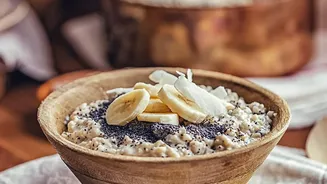
While dahi is a beloved cornerstone of Indian meals, it's typically an accompaniment. Greek yoghurt, however, has been successfully positioned as a versatile, standalone product. Its thick, creamy consistency makes it an ideal base for breakfast bowls with fruit and granola, a key ingredient in smoothies, a healthy dip, or even a substitute for mayonnaise and cream in various recipes. Brands have capitalized on this by offering a wide array of flavours, from classic mango and strawberry to more exotic combinations, turning it into a convenient breakfast, a post-workout snack, or a guilt-free dessert.
An Aspirational Choice Driven by Access
There's no denying that Greek yoghurt comes with a premium price tag compared to homemade or store-bought dahi. This has positioned it as an aspirational product, primarily targeting urban consumers between 22 and 40 with higher disposable incomes and a keen awareness of global wellness trends. The rapid expansion of quick-commerce and online grocery platforms has been a major enabler, ensuring these temperature-sensitive products are easily accessible. Furthermore, the entry of major Indian dairy players like Amul and Mother Dairy alongside pioneers like Epigamia has made the category more competitive and visible, pushing it beyond just premium supermarkets in metro cities.
A Niche, Not a Replacement
Despite its growth, Greek yoghurt is not set to replace the culturally significant and affordable dahi. Instead, it has successfully carved out its own space. For many, dahi remains the non-negotiable choice for daily meals, cherished for its taste and tradition. Greek yoghurt serves a different purpose—it's a functional food chosen for specific goals, whether that's hitting a protein target, needing a quick and substantial snack, or trying a new recipe. It represents a parallel choice in the modern Indian kitchen, where tradition and global trends coexist.