





The Joy of Uncomplicated Cooking
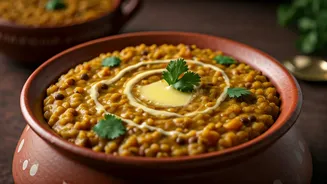
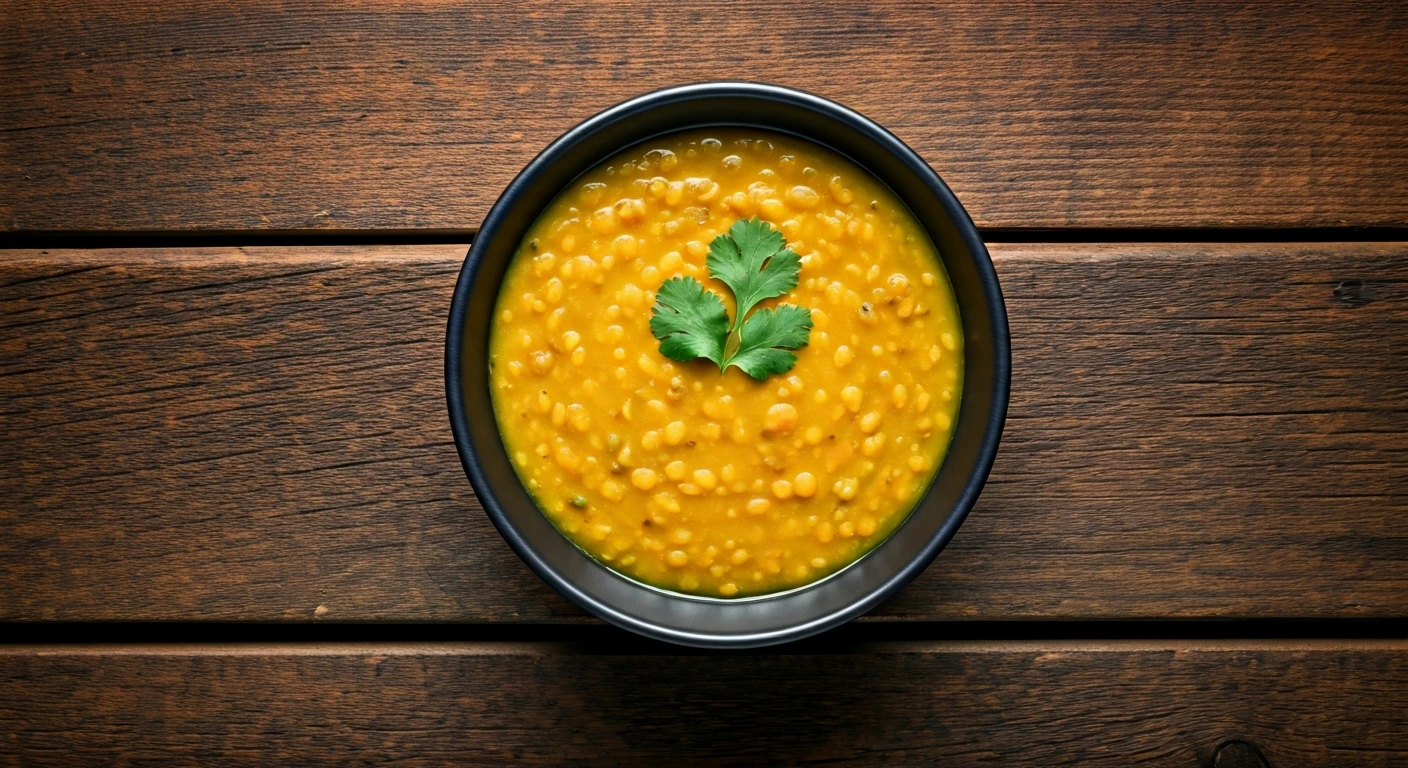
Think back to the food that truly comforts you. Is it a ten-course tasting menu, or is it a warm bowl of dal, perfectly seasoned and lovingly prepared? For most of us, it’s the latter. There’s an inherent beauty in food that doesn’t try too hard. This
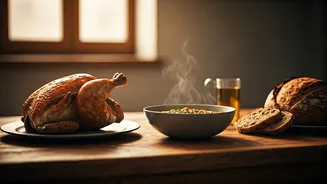
is the heart of soulful cooking—a philosophy that prioritises flavour and feeling over fuss and fanfare. It’s about stripping away the unnecessary to let a few good ingredients shine. We’ve been conditioned to believe that great cooking requires elaborate techniques and a pantry full of exotic items. But the truth is, a simple tadka of ghee, mustard seeds, and curry leaves can create more magic than a dozen imported sauces. This approach isn't about being lazy; it's about being smart and confident. It’s about understanding that a perfectly cooked pot of rajma, simmering for hours until every bean is creamy and infused with flavour, is a culinary achievement in its own right.
What Makes Food ‘Soulful’?
Soulful food is deeply connected to memory and emotion. It's the khichdi your grandmother made when you were unwell, the fragrance of which is more comforting than any medicine. It’s the simple aloo sabzi that tastes of lazy Sunday mornings. This food isn't just sustenance; it's a story. The ‘soul’ in the dish comes from the intention behind it—the act of caring, of nourishing, of providing comfort. When you cook a simple, heartfelt meal for yourself after a long day, you are practising a form of self-care. When you share it with loved ones, you are communicating affection without words. Soulful cooking transcends recipes. It’s about the rhythm of chopping onions, the sizzle of spices hitting hot oil, and the patience of letting flavours meld. It engages all our senses and grounds us in the present moment, offering a welcome antidote to the frantic pace of modern life.
The Power of Good Ingredients
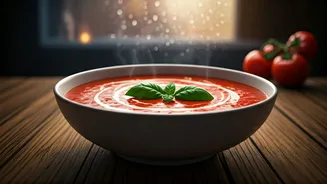
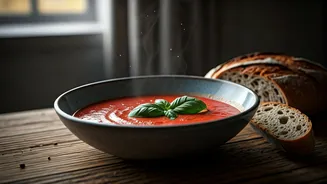
The secret to making simple food taste spectacular lies in the quality of your ingredients. This doesn't mean you need to buy the most expensive organic produce, but it does mean paying attention to freshness and quality. A flavourful, ripe tomato needs little more than a pinch of salt to be delicious. A good quality lentil, when cooked properly, has a creamy, earthy flavour that can’t be replicated with old, stale stock. Learning to appreciate the inherent taste of your core ingredients is a key skill. Instead of masking them with complex sauces, the goal is to enhance them. Use fresh ginger and garlic instead of paste when you can. Toast your spices before grinding them to awaken their aromatic oils. These small, simple steps make a world of difference and elevate a humble dish from good to unforgettable.
Embracing Your Go-To Dishes
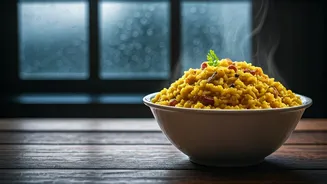
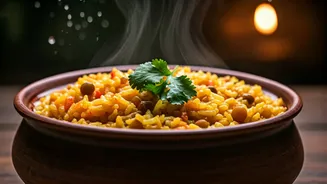
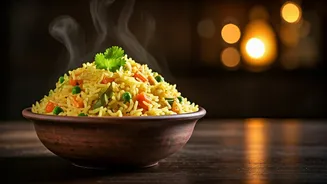
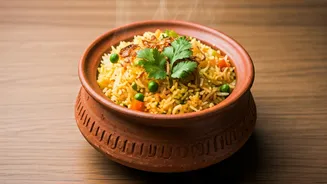
Every home cook should have a handful of simple, reliable, and soulful dishes they can make with their eyes closed. These are your culinary anchors. It might be a one-pot pulao, a comforting egg curry, or a simple curd rice. Don’t dismiss these dishes as ‘too basic’. Instead, perfect them. Learn the exact ratio of water to rice for your pulao. Figure out the precise moment to add your spices to the oil for maximum flavour. Mastering these fundamentals builds confidence and provides a deep sense of satisfaction. These go-to meals are your saviours on busy weeknights, your comfort on quiet weekends, and your signature offerings for unexpected guests. They prove that you don't need a new, complicated recipe every night to be a great cook. You just need to honour the simple things and do them well.