






The End of the Boom Barrier
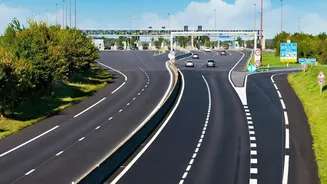
The National Highways Authority of India (NHAI) has implemented a Multi-Lane Free Flow (MLFF) tolling system along the Delhi-Jaipur stretch of National Highway-48. This new infrastructure removes the physical boom barriers that have defined toll collection
for decades. With the recent activation at the Shahjahanpur toll plaza, joining the Daulatpura and Manoharpura plazas, the entire Manesar-Jaipur corridor is now barrier-free. Instead of stopping to pay, vehicles can now pass through at highway speeds, with the system designed to make travel smoother, faster, and more fuel-efficient.
How the New System Works
This seamless experience is powered by a combination of technologies working in tandem. As a vehicle approaches a tolling point, overhead gantries equipped with advanced cameras and sensors swing into action. The primary system uses Automatic Number Plate Recognition (ANPR) cameras to capture a clear image of your vehicle's licence plate. Simultaneously, RFID readers scan your car's FASTag. This dual-verification method ensures accuracy, cross-references the data, and automatically deducts the correct toll amount from your linked FASTag account in a matter of milliseconds. It’s all designed to happen without you even noticing.
The New Pre-Trip Ritual
While the technology makes the physical journey smoother, it introduces a new, crucial step before you even start your engine. With no barrier to stop you if your FASTag has a low balance, the onus is now entirely on the driver to ensure their account is sufficiently funded. Previously, a low balance meant an awkward pause at the toll booth and a quick cash payment. Now, you will sail through the gantry regardless of your balance. The system will try to debit the toll, and if it fails, the collection process starts after the fact, which can lead to complications and penalties.
What Happens With an Insufficient Balance?
If you pass through a barrier-free toll point with an insufficient, invalid, or non-functional FASTag, the ANPR cameras still record your passage. Instead of an immediate transaction, an electronic notice (e-notice) for non-payment will be issued to the vehicle's owner. You are then required to pay the standard toll amount within a 72-hour window. Failure to settle the due amount within this period will result in a penalty, charging you double the normal toll fee for your vehicle category. This makes checking your balance not just a recommendation but a financially prudent habit.
Benefits Beyond Just Speed
The move to barrier-free tolling is part of a broader vision to enhance India's infrastructure and ease of travel. The most immediate benefit is the elimination of congestion and long waiting times at toll plazas, which directly translates to time savings for commuters. This also has a significant environmental impact by improving fuel efficiency and reducing vehicle emissions from cars idling in queues. For authorities, the automated system improves the transparency and efficiency of toll collection, reduces operational costs, and provides valuable data for traffic management.