





The Gig Worker’s Financial Dilemma
Working in the gig economy means your income can swing wildly from one month to the next. A stellar month might be followed by a lean one, making traditional financial planning difficult. While a financial safety net is crucial, the very nature of gig work
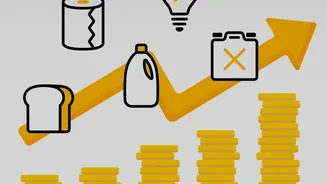
poses a challenge. Standard advice often suggests keeping a large sum in a savings account. The problem? Savings accounts in India offer minimal interest, often between 3-4%. With inflation, your hard-earned emergency money is effectively losing its value over time. On the other hand, a regular Fixed Deposit (FD) offers better returns but locks your money away. If you need cash for an urgent expense, you risk breaking the entire FD and paying a penalty, losing a chunk of your interest earnings. This leaves gig workers in a tough spot: choose between the liquidity of a savings account or the growth of an FD.
Enter the Flexible Fixed Deposit
This is where the Flexible Fixed Deposit, often marketed as a 'sweep-in' or 'sweep-out' facility, comes in. It’s a hybrid product that links your existing savings account to a fixed deposit, offering the benefits of both. Here’s the simple version: you set a threshold limit in your savings account, for example, ₹30,000. Any amount that comes in above this limit is automatically 'swept' into a linked FD that earns a much higher interest rate, similar to what a standard FD would offer. This way, your surplus cash from a good month doesn't just sit idle; it starts working for you immediately. The bank essentially automates the process of moving your extra money into a higher-earning instrument.
Liquidity When You Need It Most
The real magic of a Flexi FD happens when you need cash. Suppose you have a sudden expense and your savings account balance drops below the threshold you set. The bank will automatically 'reverse sweep' or break just enough of your fixed deposit to cover the shortfall. You can withdraw money using your debit card or a cheque just like you normally would. For example, if your account needs ₹5,000 to clear a payment, the bank will move only that amount from your FD. This is a game-changer compared to traditional FDs, where you'd have to break the entire deposit. With a Flexi FD, the rest of your money remains in the deposit, continuing to earn high interest undisturbed. Many banks use a 'Last-In, First-Out' (LIFO) method, breaking the most recently created FD units first, which helps minimize interest loss.
A Strategy for Your Six-Month Reserve
For a gig worker, whose essential monthly expenses might be, say, ₹40,000, a six-month fund amounts to ₹2,40,000. Parking this entire amount in a savings account is inefficient. A Flexi FD offers a smarter path. You can start by building one to two months' worth of expenses in your savings account for immediate liquidity. As you save more, let the sweep-in facility automatically convert the surplus into a series of smaller FDs. This strategy allows your emergency fund to grow and beat inflation while remaining fully accessible. It's particularly useful for those with irregular income, as you don't need to commit to a fixed investment amount each month. When you have a profitable month, the excess cash automatically earns more; during leaner times, the fund is there to support you without penalties.
What to Look For in a Flexi FD
While many major banks in India offer some version of a Flexi or sweep-in FD, the terms and conditions can vary. Before opening one, check the threshold limit for the auto-sweep. Some accounts have a minimum balance requirement to activate the facility. Also, confirm the interest rates for the linked FDs and compare them to standard FD rates. Look at the tenure options for the deposits that are automatically created. Finally, understand how withdrawals work—specifically, whether they break FD units in small multiples or use the LIFO system to your advantage. Taking the time to read the details ensures the product aligns perfectly with your goal of building a secure and growing emergency fund.