




The Relentless Coastal Squeeze
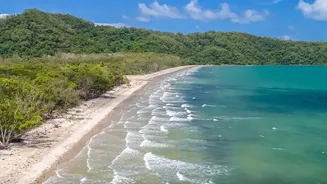
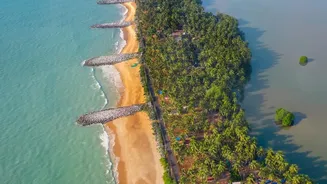
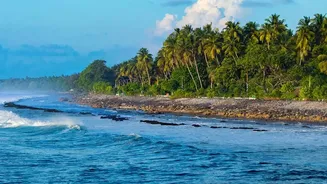
Villages along the Bay of Bengal, in states like Odisha, West Bengal, and Andhra Pradesh, are on the front lines of a climate crisis. Rising sea levels and an increase in the frequency and intensity of cyclones mean that high tides reach further inland
than ever before. This constant battery of waves and storm surges washes away precious coastline, agricultural land, and even homes, forcing entire communities to relocate. In villages like Uppada in Andhra Pradesh and Podampetta in Odisha, residents have watched helplessly as houses, markets, and schools have been consumed by the sea, leaving behind 'ghost villages' as a stark reminder of what has been lost.
Nature's Living Wall
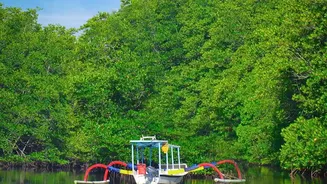
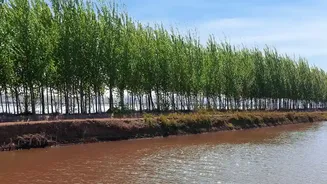
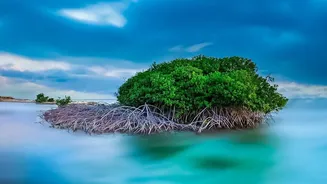
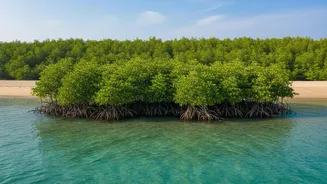
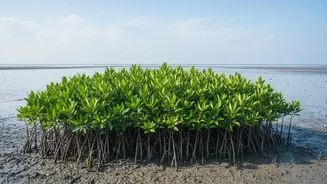
In the face of this challenge, communities are turning to a solution that is as old as the coastline itself: mangrove afforestation. These projects establish a 'bio-shield'—a living, breathing barrier of salt-tolerant trees. Unlike a concrete seawall, which can be expensive and eventually break down, a mangrove forest is a self-sustaining ecosystem that works with nature, not against it. Recent initiatives, particularly in Odisha and the Sundarbans of West Bengal, have seen a concerted push to restore these vital coastal forests, often with community members, especially women, at the forefront of the planting and protection efforts.
The Science of Strong Roots
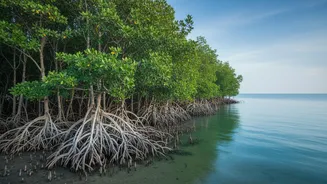
The power of mangroves lies in their incredibly complex and dense root systems, which look like stilts holding the trees above the water. This tangled web is a masterclass in natural engineering. Firstly, the roots act as a formidable physical barrier, absorbing and dissipating the energy of incoming waves. Studies have shown that a strip of mangroves just 100 metres wide can reduce wave height by up to 66%. Secondly, these roots slow down the flow of tidal water, causing suspended sediments to settle and accumulate. This process not only prevents existing soil from washing away but actively helps to build up the shoreline, effectively reclaiming land from the sea and helping the coast keep pace with rising sea levels.
Voices from the Coastline
The impact of these bio-shields is tangible. In coastal villages in districts like Kendrapara and Balasore in Odisha, community-led restoration projects have transformed barren mudflats into thriving forests. Villagers report a noticeable reduction in coastal erosion and feel more protected during tidal surges. These projects, often supported by government and non-profit initiatives, empower local communities by giving them a direct role in safeguarding their future. By establishing Village Mangrove Councils and involving residents in everything from nursery cultivation to patrolling the young forests, these initiatives ensure the long-term success and protection of the new green shields.
More Than Just a Barrier
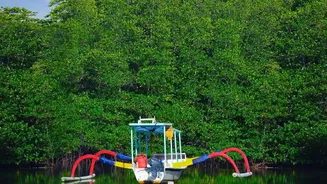
The benefits of mangrove restoration extend far beyond just erosion control. These forests are biodiversity hotspots and act as crucial nursery grounds for fish, crabs, and shrimp, which boosts the livelihoods of local fishing communities. They improve water quality by filtering pollutants and provide resources like fuel wood and fodder. Furthermore, mangroves are carbon sequestration powerhouses, capturing and storing vast amounts of atmospheric carbon dioxide in their soil, making them a critical tool in mitigating climate change. This revival of the ecosystem also opens up new opportunities for sustainable income through ecotourism, with visitors keen to experience the magic of these unique coastal forests.