







The 'Stale Bread' Explanation
The comment came from acting US Navy Secretary Hung Cao during a Senate committee hearing on November 17, 2026. Lawmakers questioned him about the US military's heavy use of expensive missiles during a recent conflict with Iran, dubbed Operation Epic
Fury. In his response about managing strained weapon stockpiles, Cao disclosed that the Navy had been 'recoding' expired munitions to make them serviceable for combat. He compared this process to reviving stale bread. 'I came from a poor family,' he explained. 'Things like bread, doesn't expire. You just rub some water on it and microwave for 15 seconds, and it's good to go.' He added that the Navy similarly recoded expired munitions to fire them, a revelation that quickly drew public attention.
What is Ammunition Re-Classification?
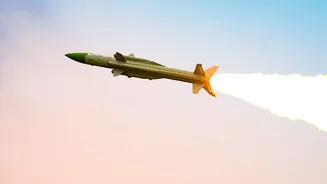
In this context, 'classification' refers to the codes the military uses to track the status of its munitions. Items might be classified as 'expired' or 'unserviceable' after a certain date, not because they are definitely duds, but because their components can no longer be guaranteed to meet strict safety and performance standards without inspection. These components—propellants, electronics, and explosives—can degrade over time. Re-classifying or 'recoding' these weapons, as Cao described, involves a technical assessment to certify them as safe and reliable for an extended period. The US Navy, for example, has established procedures to recertify its Tomahawk cruise missiles, which have a 30-year service life but require extensive testing at the 15-year mark. The 'stale bread' analogy was a simplified way of describing this process of giving old assets new life.
Why Is This Causing a Debate?
The controversy isn't just about the quirky analogy; it's about what it reveals. First, it highlights the immense pressure on US weapons stockpiles after heavy use in recent conflicts. Reports indicated that over 1,000 advanced Tomahawk missiles were fired in a short period, and these weapons are slow and expensive to replace. This has forced the military to find ways to stretch its existing inventory. Second, it raises questions about risk. While recertification is a standard process, using aged munitions in combat introduces variables. An expired missile carries a higher risk of malfunctioning, which could mean failing to launch, missing a target, or not detonating correctly—all dangerous possibilities in a combat zone. Cao did not specify how many expired weapons were used or the extent of the testing they underwent before being fired, leaving room for concern.
The Broader Context of Ammunition Debates
While the 'stale bread' incident is about military logistics, it taps into a wider, more common debate in the US concerning ammunition classification for civilians. The Bureau of Alcohol, Tobacco, Firearms and Explosives (ATF) regulates ammunition, particularly what it defines as 'armor-piercing'. This classification is highly contentious. For instance, the M855 'green tip' rifle round, common for sporting purposes, has a steel core, leading to years of debate over whether it should be banned as armor-piercing because it can be fired from some rifle-style handguns. Gun rights advocates argue such classifications restrict access to common ammunition for law-abiding citizens, while gun control proponents believe they are necessary to protect law enforcement. These regulatory battles show how the simple question of what an ammunition type 'is' can become a major political flashpoint, much like how Cao's comment turned a technical military procedure into a public debate.