








What is a 'Slow Evening'?
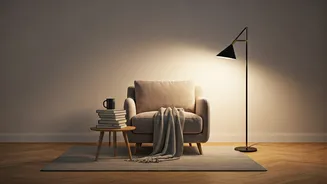
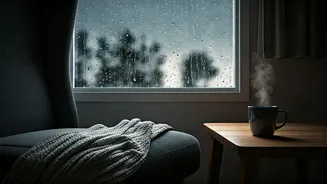
Imagine the hours after work or study not as a prelude to the next day's grind, but as a destination in themselves. This is the essence of the 'slow evening'. It's a conscious decision to disengage from the pressures of productivity and digital hyper-connectivity.
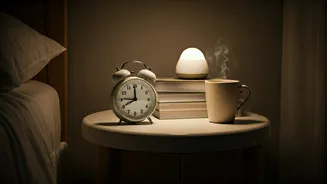
Instead of collapsing on the sofa for a Netflix binge or doomscrolling through social media feeds, proponents of this trend are opting for activities that are tactile, mindful, and deliberately low-stimulus. Think brewing a pot of herbal tea, reading a physical book, journaling, listening to a full album on vinyl, engaging in a gentle hobby like knitting or painting, or simply sitting in quiet contemplation. It’s less about a specific set of activities and more about the underlying intention: to reclaim time and attention for oneself, free from external demands and algorithmic nudges.
A Pushback Against Hustle Culture
The rise of the slow evening is not happening in a vacuum. It is a direct and pointed response to the 'hustle culture' that defined the previous decade. Gen Z, having watched older millennials and their own parents burn out chasing relentless ambition, are deeply sceptical of the 'rise and grind' mantra. They've seen that glorifying overwork and equating busyness with self-worth often leads to anxiety and exhaustion, not fulfillment. For many young people in India, this pressure is even more acute, shaped by intense academic competition from a young age and the high-stakes environment of corporate jobs in major metros. The slow evening is a form of quiet rebellion—a declaration that personal well-being is a non-negotiable priority and that life is more than a checklist of achievements.
An Antidote to Digital Burnout
Born into a world of smartphones and constant connectivity, Gen Z are digital natives, but they are also the first generation to acutely feel the consequences of this 'always on' existence. The endless stream of notifications, the pressure to maintain a curated online persona, and the mental fatigue from information overload have taken a toll. A slow evening serves as a necessary digital detox. By intentionally putting away devices, they create a boundary between their public, connected selves and their private, inner lives. This isn't a Luddite rejection of technology, but a sophisticated strategy for managing it. It’s an acknowledgement that our brains need rest from the constant pings, alerts, and algorithm-fed content to recharge and process thoughts in a deeper, more meaningful way.
The New Face of Self-Care
For years, 'self-care' was marketed as something you could buy—a face mask, a bath bomb, a luxury candle. While these can be enjoyable, Gen Z is redefining self-care as a practice rather than a purchase. The slow evening ritual fits perfectly within this new paradigm. It's about the process, not just the outcome. The act of carefully preparing a meal, the focus required for a craft, or the vulnerability of putting pen to paper in a journal are all forms of active, engaged self-care. It’s about tending to one’s own mental and emotional garden, creating a space for calm and reflection that can't be bought off a shelf. This approach prioritises consistency and intention over expensive, one-off indulgences, making wellness more accessible and sustainable.
More Than Just a Passing Trend
It might be tempting to dismiss the slow evening as another fleeting social media aesthetic, but its roots run deeper. This trend taps into a fundamental human need for rest, connection, and meaning—things that are often lost in the fast pace of modern life. It reflects a significant shift in values, where success is being redefined to include mental peace, personal time, and a healthy work-life boundary. As more young people actively choose to log off and slow down, they are not just having a quiet night in; they are building a more intentional and sustainable way of living. It's a powerful reminder that in a world that constantly demands more, the most radical act can be to gently, deliberately, do less.