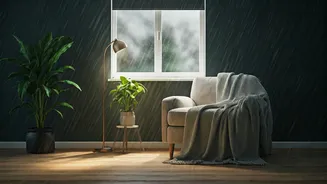





The Psychology of a Damp Room
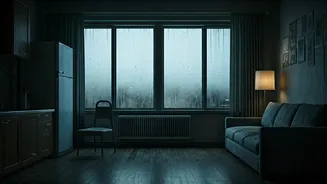
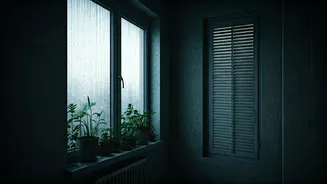
The feeling of a room shrinking during damp weather is a combination of physical and psychological factors. High humidity makes the air feel heavier and more oppressive, which can create a sense of being closed in. Our brains are sensitive to our environment;
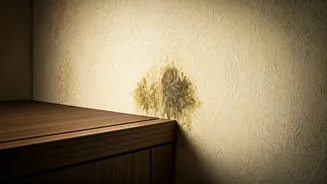
poorly lit, stuffy spaces can trigger feelings of confinement. This is compounded by musty odours that often accompany dampness, which come from mould and mildew thriving in the moist conditions. These smells can make a space feel unclean and less inviting, further contributing to the perception of it being smaller and more crowded. Finally, damp weather brings practical clutter—wet umbrellas, raincoats, and muddy shoes pile up near the door, literally taking up space and adding to the visual chaos.
Reclaim Your Space with Strategic Lighting
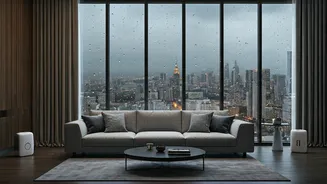
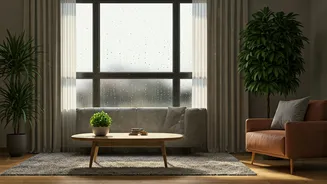
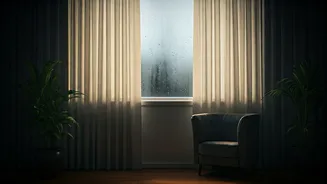
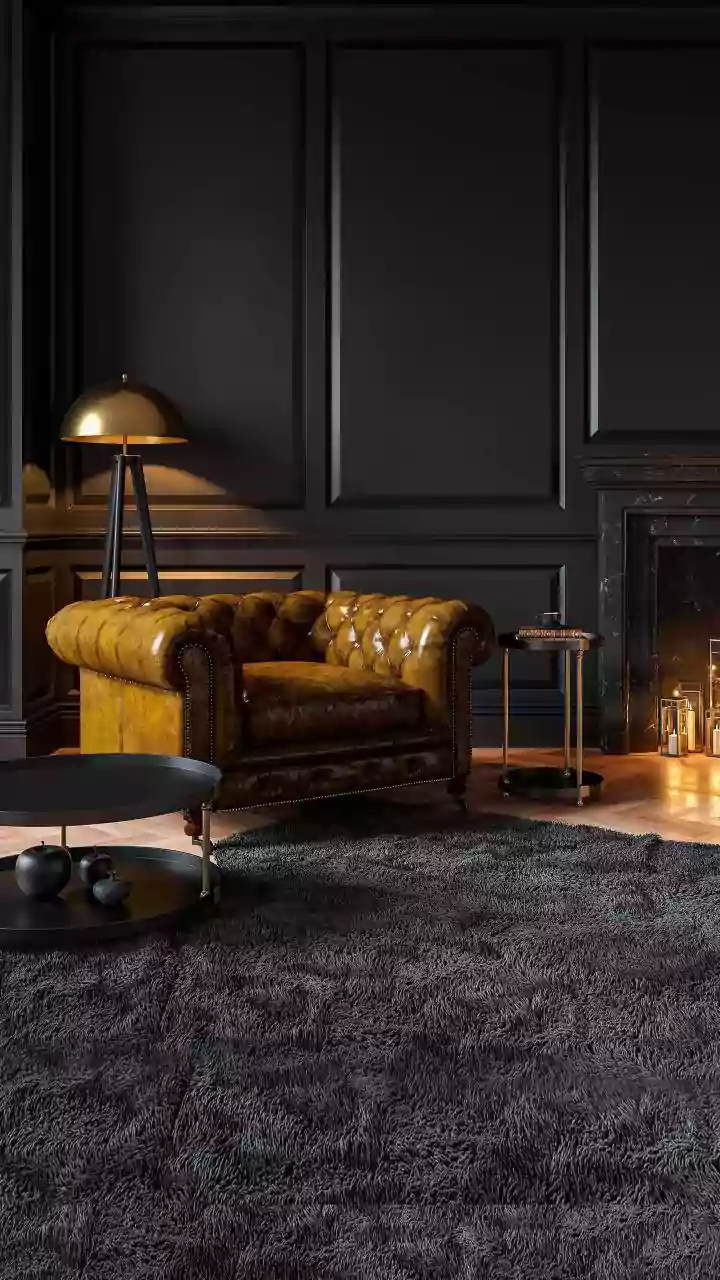
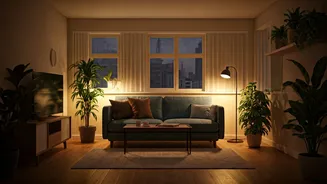
One of the fastest ways to counteract a gloomy, cramped feeling is to manipulate light. During the monsoon, natural light is often scarce and grey. Instead of fighting the dimness with harsh overhead lights, lean into creating a cosy atmosphere with layered lighting. Use warm-toned floor lamps and table lamps to create pools of soft, inviting light. This draws the eye and makes a room feel more intimate and gathered rather than just dark. If you have heavy, dark curtains, consider swapping them for lighter, more translucent ones for the season. This will maximise whatever natural light is available and prevent the windows from feeling like dark, heavy voids.
Declutter the Damp-Weather Pile-Up
Clutter is a major contributor to a room feeling small, and the monsoon season is notorious for creating it. The entryway often becomes a dumping ground for wet outerwear. To combat this, designate a specific spot for these items. An umbrella stand is a simple but effective addition. Ensure you have a place to hang raincoats so they can air dry without being in a heap. It's also a good time to tidy up other surfaces. Clutter tends to trap stale, damp air, making a room feel stuffier than it is. By keeping surfaces clear, you not only create visual space but also improve airflow, helping to reduce that stagnant feeling.
Master the Airflow and Reduce Humidity
The most direct way to fight the feeling of dampness is to tackle the humidity itself. Improving ventilation is key. Whenever it’s not actively raining, open windows to allow fresh air to circulate and push stale, moist air out. Running exhaust fans in the kitchen and bathroom for 15-20 minutes after cooking or showering helps vent moisture before it can spread through the house. For persistent dampness, a dehumidifier is an excellent investment, especially for basements or poorly ventilated rooms. Even simple moisture absorbers like silica gel packets or bowls of coarse salt placed in closets and corners can help pull excess moisture from the air.
Freshen Up with Scent and Decor
Our sense of smell has a powerful effect on how we perceive a space. A musty odour immediately makes a room feel unpleasant and confined. Combat this by keeping your home clean and using scents to your advantage. Scented candles, incense sticks, or essential oil diffusers with fresh, clean fragrances like citrus or eucalyptus can help neutralise damp smells and make the air feel lighter. Simple decor tricks can also help. Placing a large mirror on a wall can create an illusion of depth, making the room feel larger. Using light-coloured throws and cushions can also brighten up the space and counteract the gloomy weather outside.