






The Rise of the Rain Shadow
For decades, the Indian monsoon has meant one of two things for travellers: either embracing the rain in places like Coorg and Lonavala or staying home. But as travel patterns evolve, a new preference is emerging for destinations that offer a different
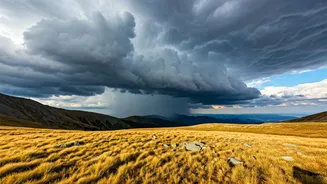
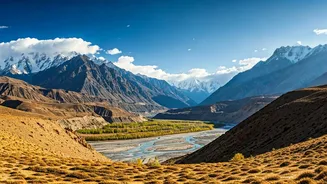
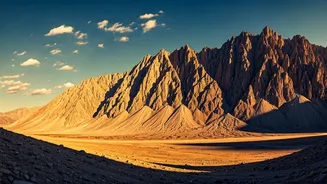
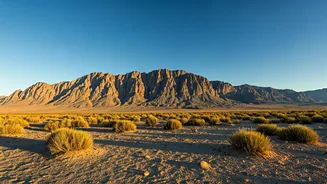
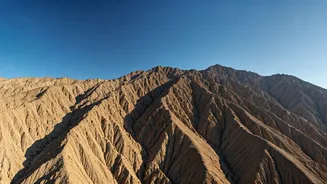
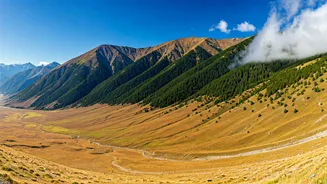
kind of seasonal magic. The secret lies in geography, specifically in regions known as rain shadows. These are areas shielded from rain-bearing clouds by mountain ranges like the mighty Himalayas. While one side of the mountains gets drenched, the other remains spectacularly arid and accessible, creating perfect conditions for a 'dry-sky' holiday right in the middle of the monsoon. This shift isn’t just about avoiding the rain; it's about discovering landscapes and experiences that are at their prime from June to September.
Ladakh: The High-Altitude Desert Beckons
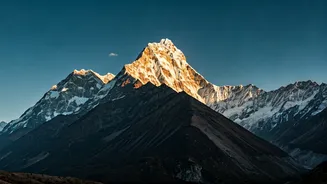
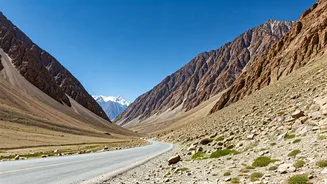
When the rest of India is looking up at grey skies, Ladakh is basking under brilliant blue ones. Situated in the trans-Himalayan region, it's a cold desert that receives minimal rainfall, making the monsoon months its peak season for tourism. Instead of being stuck indoors, travellers here are out exploring dramatic landscapes, from the surreal blue of Pangong Tso to the sand dunes of Nubra Valley. The weather is pleasantly warm during the day, ideal for road trips across some of the world's highest motorable passes like Khardung La. This is a season of festivals, adventure sports like white-water rafting, and clear nights perfect for stargazing—a world away from the landslides and roadblocks that can affect other mountain destinations during this time.
Spiti Valley: A World Within a World
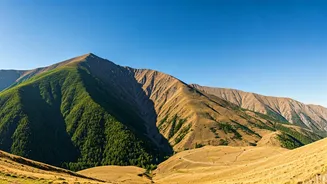
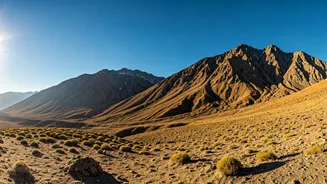
If Ladakh is the popular star, Spiti Valley is its quieter, more enigmatic cousin. Also tucked away in a Himalayan rain shadow, Spiti offers a different flavour of high-altitude adventure. Its landscape is even more stark and lunar-like, dotted with ancient monasteries that seem to cling precariously to cliffs. Villages like Kaza, Tabo, and Hikkim—home to the world's highest post office—offer a profound sense of isolation and peace. For travellers seeking fewer crowds and a deeper cultural immersion, Spiti is the answer. The journey itself, often made via the reliable Shimla-Kinnaur route, is an epic adventure through changing vistas, culminating in a valley that remains largely untouched by the monsoon's fury.
Tamil Nadu's Coast: The Southern Surprise
The competition to rainy hill stations isn't just coming from the Himalayas. Down south, the Coromandel Coast of Tamil Nadu offers an unexpected dry escape. This region sits in the rain shadow of the Western Ghats, which block the southwest monsoon clouds. As a result, cities like Thoothukudi and the coastal stretch near Rameswaram receive very little rainfall between June and September. Their main rainy season arrives much later, with the northeast monsoon in October and November. This creates a unique opportunity to explore the region’s incredible temples, coastal cuisine, and unique landscapes like the ethereal Dhanushkodi without the crowds or the downpour that drenches nearby Kerala and the Ghats at the same time.