




The Expressway Boom: Slashing Road Travel Times
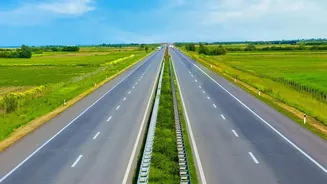
The most significant change for road travellers is the development of the Delhi-Mumbai Expressway, a colossal project with a major portion passing through Gujarat. The Godhra-Vadodara stretch has already opened on a trial basis, and the entire Delhi-Vadodara
section is targeted for completion in 2026. Once fully operational, this eight-lane expressway is expected to cut the travel time between Delhi and Mumbai from 24 hours to just 12. For Gujarat residents, this means dramatically faster connections to the national capital and the financial hub. Another key project is the Ahmedabad-Dholera Expressway, which was inaugurated earlier in 2026 and is now being extended to Bhavnagar. This will slash the Ahmedabad-Bhavnagar journey from three hours to about one hour and 45 minutes, boosting access to the Dholera Special Investment Region and its new international airport.
The Bullet Train Arrives: A New Era for Rail
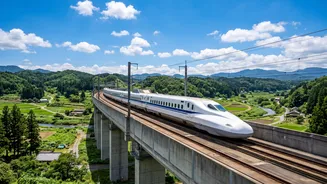
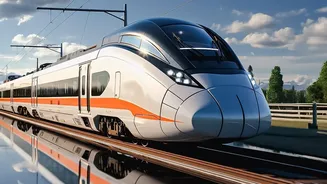
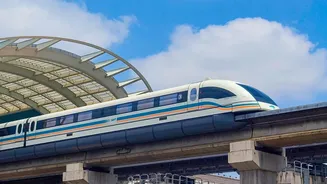
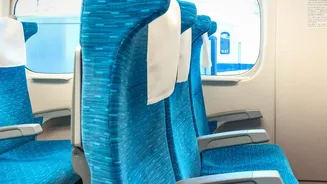
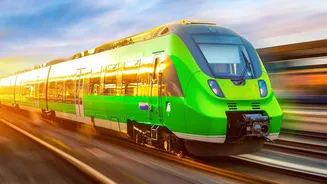
On the railway front, the Mumbai-Ahmedabad High-Speed Rail (MAHSR) Corridor, popularly known as the Bullet Train project, is rapidly taking shape. With a design speed of up to 350 km/h, it will connect the two cities in just under two hours. The first service is anticipated to begin in August 2027, with the Surat to Bilimora section expected to be commissioned next year. Civil works on several sections in Gujarat, including the Vapi-Surat stretch, are nearing completion. The project uses Japanese Shinkansen technology, promising a new standard in safety, speed, and reliability for Indian passengers and creating a template for future high-speed corridors across the country.
Vande Bharat: Upgrading Existing Connectivity
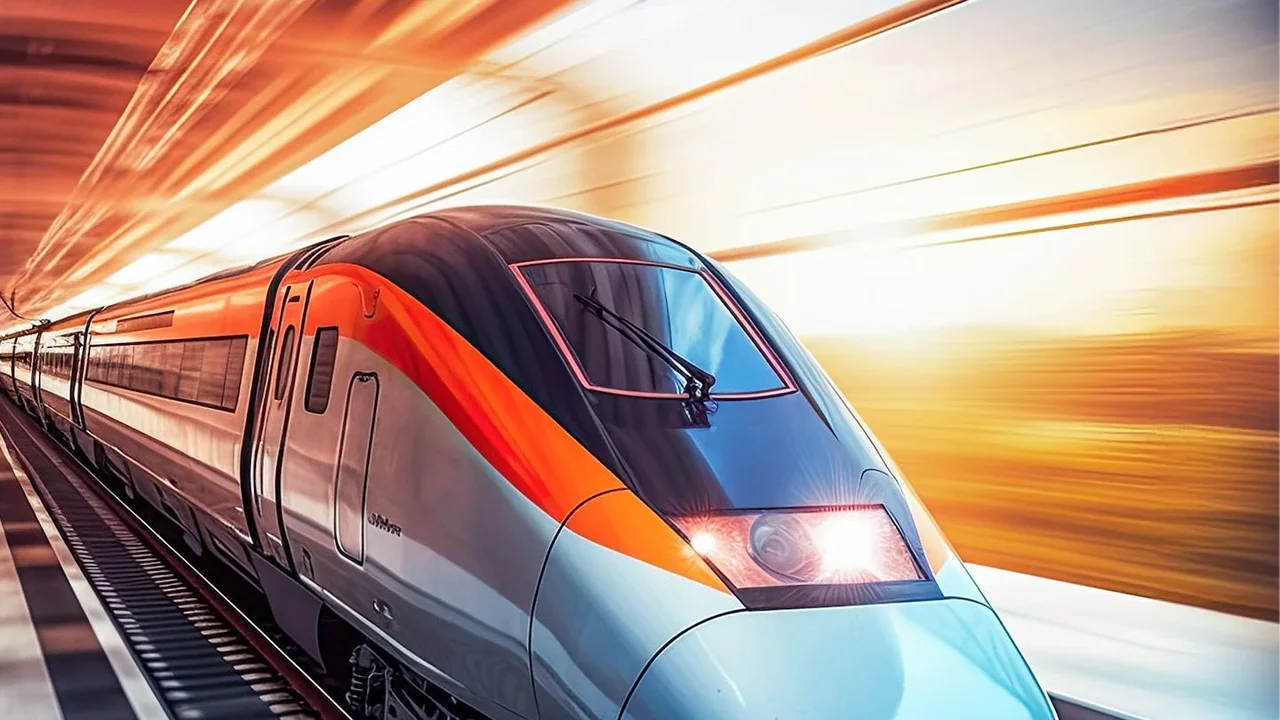
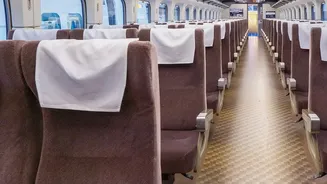
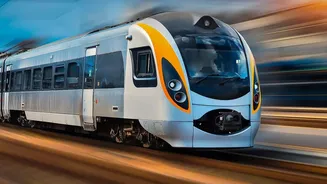
While the bullet train represents the future, the semi-high-speed Vande Bharat Express trains are already transforming travel today. Gujarat has become a major hub for these services, with five pairs of trains connecting cities like Ahmedabad, Mumbai, Okha, Jodhpur, and Jamnagar. A sixth service between Surat and Udaipur has recently been approved. These trains have seen immense popularity, with the Mumbai-Ahmedabad route reporting occupancy of around 140%. They offer a premium, faster alternative to conventional trains, equipped with modern amenities that have made them a preferred choice for business and leisure travellers, significantly cutting down journey times on crucial routes.
Boosting Freight and Local Economies
The infrastructure push extends beyond passenger travel. The Western Dedicated Freight Corridor (WDFC) will see its final sections inaugurated on September 8, 2026, making the entire corridor fully operational. This dedicated freight line will connect industrial hubs in Gujarat directly to the JNPT port in Mumbai, drastically reducing logistics costs and transit times for export-import cargo. On a regional level, the state government has approved a ₹1,185 crore plan to upgrade roads in South Gujarat. This initiative will improve connectivity to tourist destinations like Saputara and the Dandi Heritage Route, as well as industrial zones, supporting local economies in districts like Surat, Navsari, and Valsad.
The Impact on Daily Life and Tourism
For the average person, these developments translate into tangible benefits. Commuting between cities for work will become faster and less stressful. Faster road and rail links will make weekend getaways to tourist spots and pilgrimage sites more feasible for families. The improved connectivity is set to give a major boost to tourism across the state, from coastal areas to eco-tourism sites like the Vansda National Park. Furthermore, new railway lines, such as the one connecting Chhota Udepur to Dhar, will bring remote and tribal areas into the national rail network for the first time, opening up new opportunities for development and integration.