






The Big Reveal: Sunscreen is King
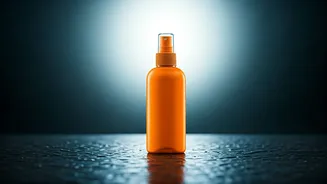
Let’s cut to the chase. The one product you absolutely need, no matter your skin type, tone, or age, is sunscreen. Not a fancy anti-ageing potion, not an expensive brightening serum, but good, old-fashioned sunscreen. It is the undisputed champion of
skincare, the ultimate non-negotiable. While other products correct existing damage, sunscreen is the only thing that actively prevents it from happening in the first place. Think of it as the bodyguard for your skin cells. Every dermatologist agrees: if you only do one thing for your skin, let it be applying sunscreen every single day.
Why It's Critical, Especially in India
Living in India means we are blessed with abundant sunshine, but that also means our skin is under constant assault from powerful ultraviolet (UV) rays. And the damage goes far beyond a painful sunburn. UVA rays are the primary driver of premature ageing—think fine lines, wrinkles, and loss of elasticity. UVB rays cause sunburn and are a key factor in developing skin cancer. A common myth is that Indian skin, with its higher melanin content, is naturally protected. While melanin offers some minimal defence (equivalent to a very low SPF), it is not nearly enough to prevent long-term damage. In fact, Indian skin is more prone to hyperpigmentation and uneven skin tone, conditions that are directly triggered and worsened by sun exposure. Daily sunscreen use is your best defence against dark spots, melasma, and a dull complexion.
Decoding the Jargon: SPF and PA+
Choosing a sunscreen can feel like reading a chemistry textbook, but it’s simpler than it looks. The most important terms to know are SPF and PA. SPF, or Sun Protection Factor, primarily measures protection against UVB rays, the ones that cause burning. For daily use in our climate, dermatologists recommend an SPF of 30 or higher. But that's only half the story. PA, followed by plus signs (e.g., PA+++), indicates the level of protection against UVA rays—the ageing rays. UVA rays penetrate deeper into the skin and are present all day, even on cloudy days and through windows. Always look for a “broad-spectrum” sunscreen, which means it protects against both UVA and UVB rays. A rating of PA+++ or PA++++ offers the strongest protection and is ideal for preventing long-term photo-ageing.
Finding Your Perfect Match
The best sunscreen is the one you’ll actually wear every day. Thankfully, modern formulations are a world away from the thick, greasy pastes of the past. If you have oily or acne-prone skin, look for a lightweight gel-based or fluid sunscreen. Many are labelled “non-comedogenic,” meaning they won’t clog pores. For dry skin, a cream-based sunscreen with hydrating ingredients like hyaluronic acid can double as a moisturiser. Sensitive skin types may prefer physical (or mineral) sunscreens, which use zinc oxide and titanium dioxide to create a physical barrier on the skin and are generally less irritating than chemical sunscreens, which work by absorbing UV radiation and converting it into heat.
The Right Way to Apply It
Even the best sunscreen is useless if not applied correctly. The biggest mistake people make is not using enough. A popular guideline is the “two-finger rule”: squeeze a line of sunscreen onto your index and middle fingers, from base to tip. This amount is generally sufficient for your face and neck. It should be the very last step in your morning skincare routine, applied after your moisturiser but before any makeup. And it’s not a one-and-done application. Sunscreen breaks down with sun exposure and sweat. You should reapply it every two to three hours if you are spending significant time outdoors, sweating, or swimming. For a typical office day, reapplying before you head home is a good habit to build.