



The Deluge and the Heatwave: A Tale of Two Disasters
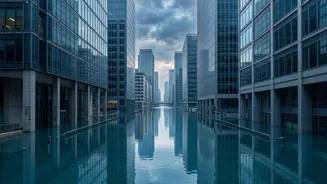
The scenes have become distressingly familiar. In August 2026, heavy monsoon rains left major roads in Gurugram submerged, forcing authorities to advise companies to work from home. Just weeks earlier, in May, the same region sweltered under a severe
heatwave with temperatures crossing 44°C. This vicious cycle of extreme rain and extreme heat is playing out across the country. Cities like Bengaluru, Mumbai, and Delhi are repeatedly finding themselves overwhelmed, swinging between crippling waterlogging and life-threatening heat stress. These are not isolated weather events; they are symptoms of a deeper crisis where decades of urban development are colliding with the harsh realities of a changing climate.
Drowning in 'Development': A Man-Made Crisis
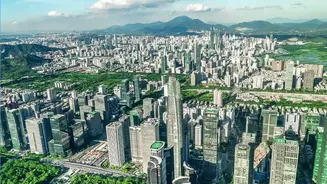
Urban flooding is less a natural disaster and more a man-made one. The primary culprit is unplanned urbanisation that has systematically destroyed natural defences. In the race to build, cities have encroached upon floodplains, wetlands, and lakes—natural sponges that absorb excess rainwater. Bengaluru, for instance, saw its built-up area explode from 8% in 1973 to nearly 74% by 2013, while its vegetation cover plummeted from 68% to under 15%. This has been replaced by concrete and asphalt, impervious surfaces that prevent rainwater from seeping into the ground, leading to massive surface runoff that overwhelms antiquated and poorly maintained drainage systems. The result is that even moderate rainfall can now lead to severe waterlogging, disrupting lives and causing billions in economic losses.
The Urban Heat Island Effect
As green spaces vanish, another silent killer thrives: the Urban Heat Island (UHI) effect. Concrete buildings and asphalt roads absorb and retain far more heat than natural landscapes. This causes urban centres to be significantly warmer—often by 3-4°C—than their rural surroundings. During heatwaves, this effect is amplified, with night-time temperatures failing to cool down, denying residents any respite. In May 2026, India was home to 98 of the world's 100 hottest cities, a staggering statistic that highlights the nation's vulnerability. This extreme heat places immense strain on public health, with a sharp rise in heatstroke and dehydration cases, particularly among outdoor workers and the urban poor living in poorly ventilated homes. It also cripples infrastructure, straining power grids to their breaking point as demand for cooling skyrockets.
A Failure of Planning and Governance
Experts argue that these climate disasters are magnified by systemic failures in urban planning and governance. Many master plans have failed to integrate climate risk, allowing construction in vulnerable low-lying areas and natural drainage channels. Responsibility is often fragmented across multiple municipal agencies, leading to a lack of coordinated action on everything from drainage maintenance to the enforcement of building codes. While frameworks like the National Mission on Sustainable Habitat exist, their implementation has been slow and inconsistent. The ClimateSmart Cities Assessment Framework, for example, revealed low average readiness scores across hundreds of cities, indicating significant gaps in preparedness. This reactive, rather than proactive, approach to disaster management ensures that cities are always one step behind the next climate shock.