


The Land of Spices and Coconuts
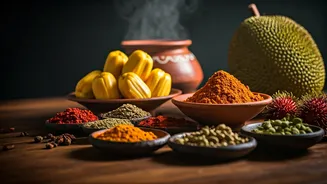
First, let's establish what Keralan food isn't: it's not the butter chicken or creamy paneer you might find in a standard Indian restaurant. Hailing from Kerala, a coastal state known as the 'Land of Spices', its cuisine is a world apart. For centuries,
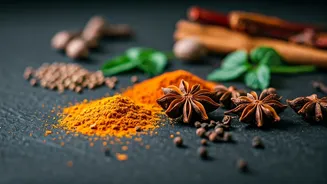
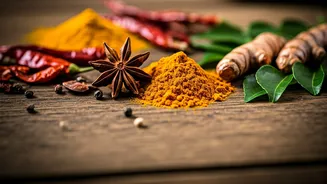
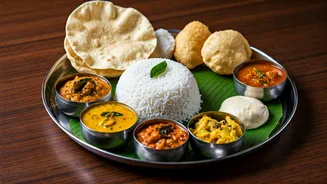
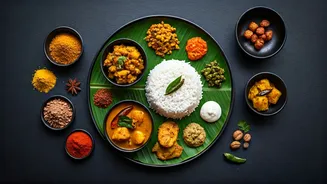
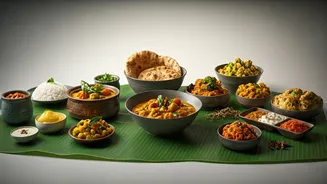
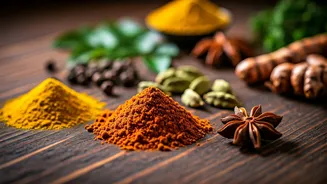
this region was the epicenter of the spice trade, and its food reflects that history with layered, aromatic flavours of black pepper, cardamom, cloves, and cinnamon. But the true soul of Kerala cooking is the coconut. It’s used in almost every form imaginable: freshly grated and stirred into vegetable dishes (thoran), ground into pastes for curries, simmered into creamy coconut milk for stews (ishtu), and as coconut oil for tempering spices. This reliance on coconut gives the cuisine a distinct richness and subtle sweetness that beautifully balances the intricate spice blends.
Mastering the Art of Balance
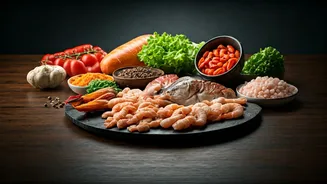
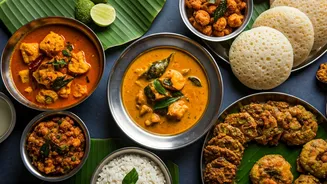
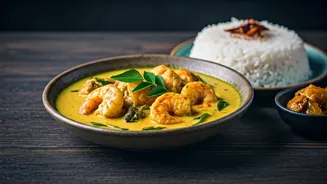
What makes Keralan food a 'flex' is its sophisticated balance of flavours. It’s not just about heat; it's a delicate dance of sour, spicy, and savoury. A key player in this is tamarind, but more specifically, a unique local ingredient called kudampuli, or Malabar tamarind. This dried, smoked fruit imparts a deep, rounded sourness to fish curries ('meen curry') that is entirely distinct and acts as a beautiful counterpoint to the creamy coconut base. Mastering this balance is a sign of a cook who understands flavour on a deeper level. The cuisine also includes an extensive range of vegetarian and non-vegetarian dishes, from light vegetable stews to rich beef fry (beef ularthiyathu) and complex seafood preparations, reflecting the state's diverse cultural influences, including Christian and Mappila (Muslim) culinary traditions.
The Flex-Worthy Dishes to Try
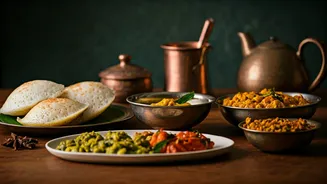
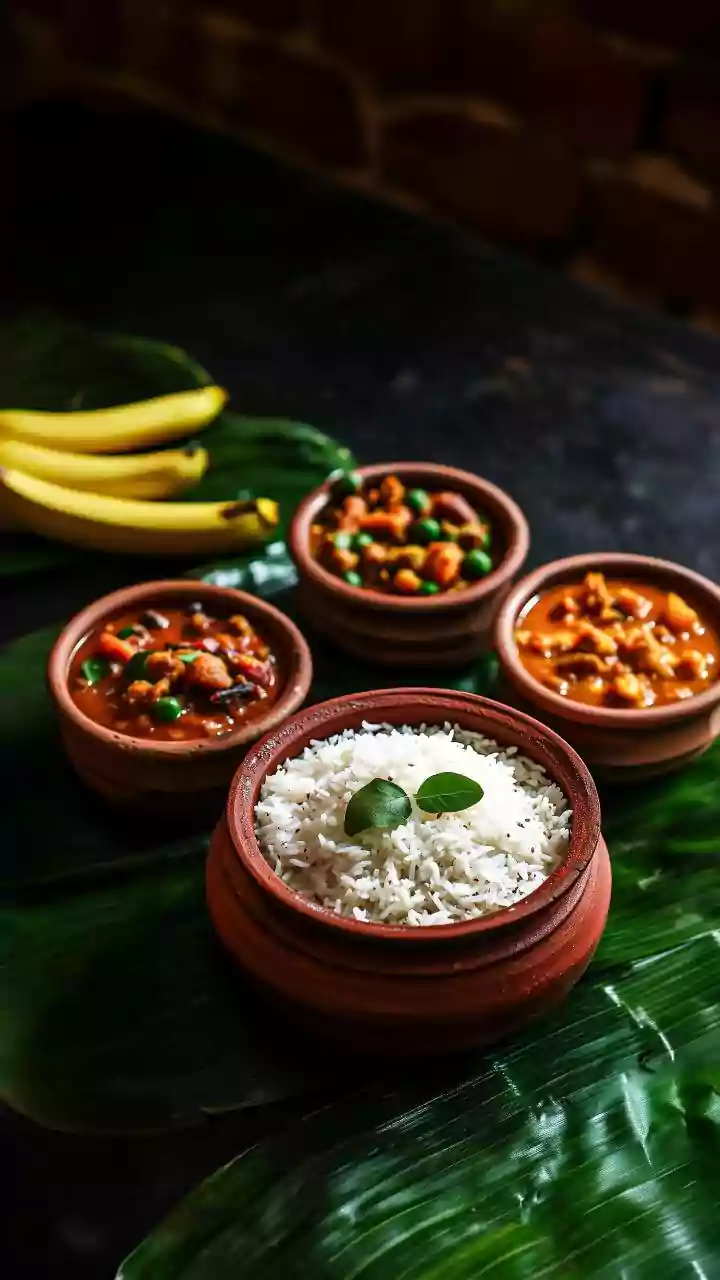
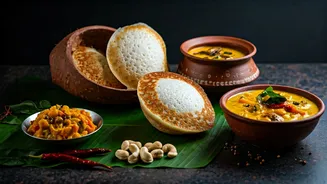
So, what are the showstopper dishes that will impress your dinner guests? Start with Appam and Ishtu. Appams are soft, bowl-shaped pancakes made from a fermented rice batter, with a fluffy centre and lacy, crisp edges. Paired with a gentle, fragrant stew (ishtu)—made with vegetables, chicken, or mutton simmered in coconut milk—it’s a comforting yet elegant meal. For a true seafood spectacle, try Karimeen Pollichathu, where pearl spot fish is marinated in spices, wrapped in a banana leaf, and then grilled or steamed, locking in moisture and infusing the fish with aroma. And for the ambitious, there is the Malabar Biryani. Unlike its heavier counterparts, it uses a unique, short-grain aromatic rice called jeerakasala and a slow-cooking 'dum' technique that results in a fragrant, subtly spiced, and incredibly flavourful dish.
Why Now? The Rise of Regional Flavours
The growing global interest in Keralan food is part of a larger trend toward celebrating hyper-regional Indian cuisines. Food trend reports for 2026 have highlighted Keralan cuisine specifically, noting its vegetable-forward options and unique spice profiles are resonating with a global audience looking for authenticity. Publications like Lonely Planet have even listed Kerala's food culture as a top travel experience for 2026. As diners and home cooks move beyond generic 'curry', they are discovering the incredible diversity within Indian food. Kerala offers a culinary narrative rich with history, technique, and ingredients that tell a story of its coastal geography and trading past. Cooking Keralan food is more than just making a meal; it’s about engaging with a deep and flavourful tradition.