





What is Quick Commerce?
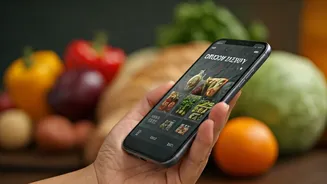
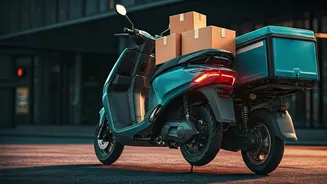
Quick commerce, or q-commerce, is essentially e-commerce on steroids. Unlike traditional online shopping that delivers in days, quick commerce platforms promise to get goods to your doorstep in 10 to 30 minutes. This model thrives on speed and convenience,
prioritising a curated list of high-demand products over the vast selection of traditional e-commerce. What began as a niche service during the pandemic has now fundamentally changed urban consumer expectations. The Indian quick commerce market was valued at over USD 3 billion in 2024 and is projected to grow significantly, reflecting a structural shift in the country's digital shopping landscape.
The Engine Room: Dark Stores
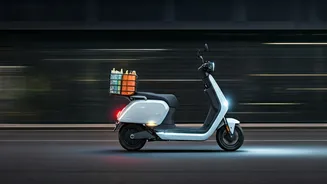
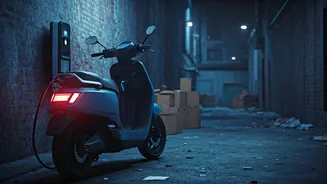
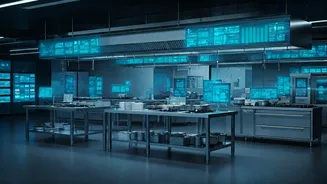
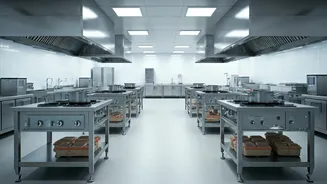
The magic behind 10-minute delivery isn't magic at all; it's a meticulously planned logistics network built around 'dark stores'. These are not shops for customers to visit, but small, dedicated warehouses strategically located in dense residential areas. Each dark store serves a radius of just 2-3 kilometres and stocks about 3,000 to 5,000 of the most frequently ordered items, from groceries and staples to electronics and personal care products. When you place an order, a 'picker' inside the nearest dark store collects the items, often in under 90 seconds, and hands them to a waiting delivery rider. This hyper-local model is the backbone that makes ultra-fast delivery possible.
The Key Players in India
The Indian quick commerce space is dominated by three major players: Zomato-owned Blinkit, Swiggy's Instamart, and the standalone disruptor Zepto. Together, they command a significant majority of the market share. Blinkit, acquired by Zomato in 2022, leads the pack in market share and has a vast network of dark stores across dozens of cities. Zepto, famously founded by two teenage Stanford dropouts, ignited the 10-minute delivery craze and continues to compete fiercely on speed. Swiggy's Instamart leverages its parent company's massive user base in food delivery to cross-sell and compete. These companies have scaled rapidly, with India now home to thousands of dark stores.
The Business of 'Now'
The success of quick commerce isn't just about logistics; it's about monetising the modern consumer's desire for instant gratification. The business model, however, is complex. Revenue comes from several streams: margins on products, delivery fees, and increasingly, advertising. In fact, these platforms are becoming powerful media companies, with brands paying significant fees for visibility within the app at the exact moment a customer is about to buy. This ad revenue is crucial because the core business of delivery operates on thin margins. High operational costs for dark stores, staff, and last-mile delivery mean that profitability is a major challenge for the sector.
The Cost of Convenience
While consumers enjoy unprecedented convenience, the quick commerce model faces significant hurdles. The path to profitability is steep, with most players still reporting operating losses despite rapid growth. The intense competition has led to deep discounting and price wars, prompting antitrust complaints from traditional retailer associations who argue the practices are predatory. There are also concerns about the impact on traditional kirana stores, which face declining footfall as consumers shift to on-demand services. While some studies suggest opportunities for kiranas to adapt by adopting technology, the competitive pressure is immense. For the delivery riders, the promise of gig economy flexibility is often balanced by the intense pressure to meet demanding delivery targets.