




A New Space Race Begins
India's space sector is undergoing a monumental transformation. For decades, the Indian Space Research Organisation (ISRO) was the sole custodian of the country's space aspirations. Now, following historic policy reforms initiated in 2020, the sector has
been opened up to private enterprise. The government's goal is ambitious: to grow India's share of the global space economy from around 2-3% today to 8% by 2030, potentially expanding the domestic industry from about $8.4 billion to over $40 billion. At the heart of this change is the Indian National Space Promotion and Authorisation Centre (IN-SPACe), a single-window agency designed to promote, enable, and supervise private companies in space activities. This has catalyzed a startup boom, with the number of private space companies growing from just one in 2014 to over 400.
Beyond the Rocket Scientist
The term 'space job' once conjured images of scientists in lab coats at an ISRO facility. Today, the reality is far more diverse. While aerospace engineers remain crucial, the expanding private sector has created a huge demand for a wide range of skills. Companies are aggressively hiring software engineers to develop flight software and analyze satellite data, electronics engineers for avionics and communication systems, and mechanical engineers for structural design. The space economy now includes roles in satellite manufacturing, ground systems operations, geospatial data analytics, and even space-related pharmaceuticals and debris removal. Furthermore, as the industry matures, it requires professionals in finance, law, policy, and business development who can navigate the unique challenges of this sector.
Meet the Private Trailblazers
A new league of startups is leading India's private space charge. Companies like Skyroot Aerospace and AgniKul Cosmos are developing their own launch vehicles to send small satellites into orbit, a booming global market. Skyroot achieved a significant milestone with the successful launch of its Vikram-1 rocket. Others, like Pixxel and Dhruva Space, are focused on building constellations of satellites for Earth observation and communication. These firms are not just innovating in technology but also in business models, attracting significant venture capital and global investor interest. Their success is creating a vibrant job market, with competitive salaries and the exciting prospect of being part of a pioneering venture.
ISRO's Evolving Mission
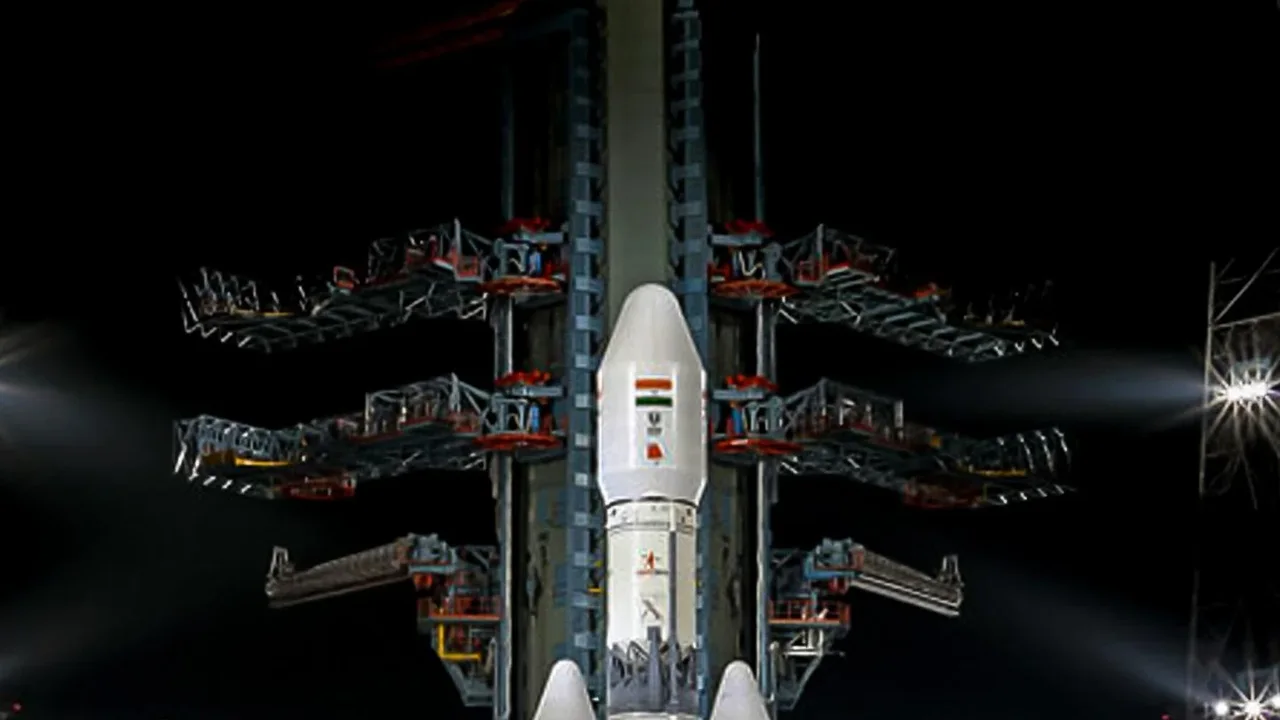
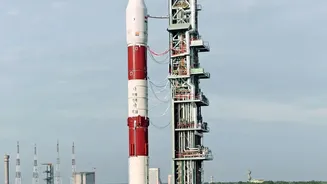
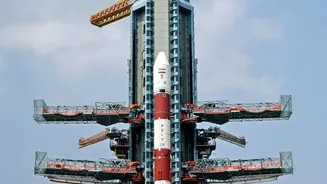
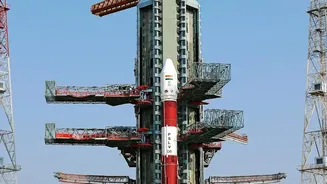
With the private sector taking on more manufacturing and operational roles, ISRO's mission is evolving. Agency leadership has clarified that ISRO is not being privatised but is instead transitioning to focus on advanced research, deep-space exploration, and developing next-generation technologies. ISRO is now acting as a mentor and enabler, transferring mature technologies like the Polar Satellite Launch Vehicle (PSLV) to industry partners for production. This allows ISRO to concentrate its world-class talent on ambitious projects like the Gaganyaan human spaceflight mission and a future Indian space station, while the private sector scales up production to meet commercial demand. This symbiotic relationship is designed to multiply the nation's overall space capability.
Skills for the Final Frontier
For those aspiring to join this exciting field, a strong foundation in science, technology, engineering, and mathematics (STEM) is essential. Core engineering disciplines like aerospace, mechanical, electronics, and computer science are in high demand. Proficiency in software and programming languages such as Python, MATLAB, and C++ is increasingly critical across all roles, from vehicle design to data analysis. Beyond technical skills, the industry values problem-solving abilities, systems thinking, and practical experience through internships and projects. As the sector grows, there is also a need for technicians, administrative officers, and other support roles, making it an industry with multiple entry points for a determined and skilled workforce.