



Welcome to a Land Before Time
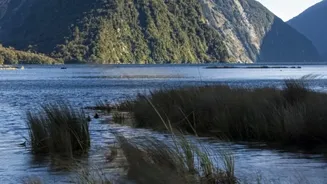
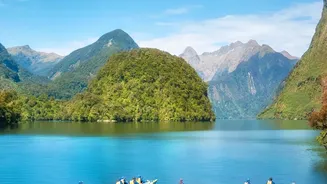
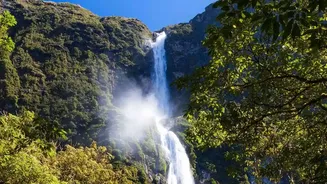
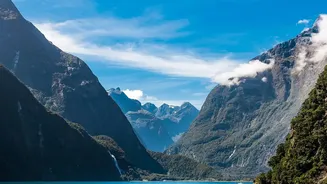
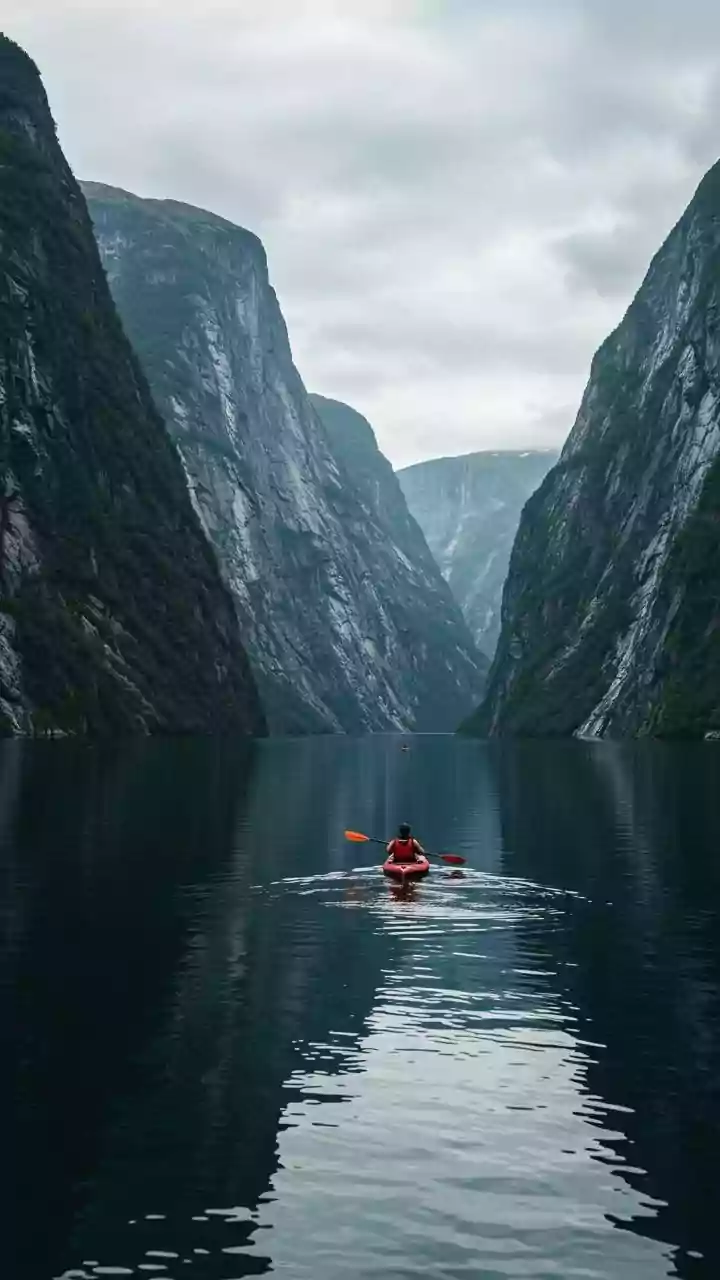
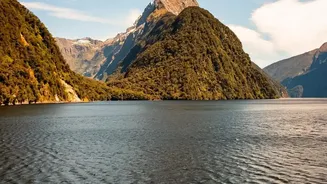
Covering 1.2 million hectares, Fiordland National Park is a UNESCO World Heritage site so vast and wild it remains largely untouched by human settlement. This is a landscape of superlatives, defined by fourteen immense fiords, towering granite peaks,
and some of the most dramatic scenery on Earth. The park’s sheer scale and remote nature are its main attractions. While Milford Sound is the famous star, the true Fiordland experience lies in finding your own quiet corner, whether on a misty fiord, a mossy forest trail, or the shore of a vast, silent lake. The towns of Te Anau and Manapouri serve as essential basecamps for any adventure into this primeval world.
The Two Great Fiords: Drama vs. Solitude
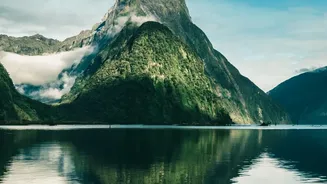
Visitors are often faced with a choice: Milford Sound or Doubtful Sound. The decision comes down to what you value most. Milford Sound is undeniably spectacular and more accessible. You can drive right to the terminal along one of the world's most scenic highways, making it ideal for those with limited time. Its narrow, dramatic cliffs, including the iconic Mitre Peak, create a powerful, unforgettable scene. Doubtful Sound, known as the 'Sound of Silence', offers a different kind of magic. Three times longer and ten times larger than Milford, it receives only a fraction of the visitors because it has no direct road access. Reaching it involves a cruise across Lake Manapouri and a bus over Wilmot Pass, a journey that filters out the crowds and heightens the sense of immersion in a truly remote wilderness. If you have one day, choose Milford's drama; if you have more time and crave solitude, Doubtful's expanse is deeply rewarding.
Off the Beaten Path: Quiet Nature Stops
Beyond the main fiords, Fiordland’s quietest moments are often found in less-visited spots. The shores of Lake Manapouri, the country's second-deepest lake, offer stunning scenery without the hustle. The drive along the Milford Road is an attraction in itself, with numerous pull-offs and short walks to places like the Mirror Lakes, where mountains are perfectly reflected on a calm day, and the Eglinton Valley's wide, glacier-carved plains. For a truly remote feel, areas like the Hollyford Valley, Lake Monowai, or the Mavora Lakes offer a glimpse into a wilder side of the park, with opportunities for quiet walks and camping away from the main tourist routes. Even a simple stop at the Te Anau Bird Sanctuary offers a peaceful encounter with rare native birds like the takahē.
Walks for Every Pace
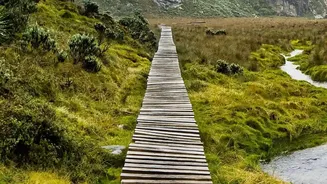
Fiordland is a hiker's paradise, home to three of New Zealand's 'Great Walks': the Milford, Kepler, and Routeburn Tracks. But you don't need to commit to a multi-day trek to experience the magic. Excellent day walks abound. The Key Summit track, part of the Routeburn, is a three-hour return hike offering panoramic alpine views. For a gentler option, the Lake Gunn Nature Walk is an easy loop through ancient, moss-draped beech forest. Near Milford Sound itself, the Foreshore Walk provides iconic views of Mitre Peak without a strenuous climb. For those seeking a bit more of a challenge, the trail to the base of the spectacular Lake Marian Falls is a rewarding short hike through lush rainforest.
Your Fiordland Base: Te Anau
The charming lakeside town of Te Anau is the undisputed gateway to Fiordland. It's the last stop for supplies, fuel, and reliable mobile service before heading into the park. Here, you can book cruises, scenic flights, and guided walks, or simply relax by the great lake that shares its name. The town offers a wide range of accommodation, from campsites to lodges, and serves as the starting point for trips to both Milford and Doubtful Sounds. Before any journey, it’s wise to stop at the Department of Conservation (DOC) Visitor Centre for the latest updates on weather and road conditions, as Fiordland’s environment is famously changeable. Dressing in layers, including a waterproof jacket, is essential, even in summer.