







The New Definition of 'Non-Technical'
For decades, jobs in logistics, retail, customer support, and administration were seen as roles requiring manual effort, specific procedural knowledge, or strong interpersonal skills—not deep technical know-how. That clear line is blurring. Today, the
person managing stock in a warehouse, assisting a customer with a query, or even designing a marketing graphic is increasingly working alongside artificial intelligence. A recent report highlighted that in India, job postings seeking AI skills more than doubled in the first quarter of the fiscal year 2027, with demand spreading far beyond pure tech roles. This isn't about everyone becoming a programmer; it's about AI becoming a universal tool, much like the personal computer or the internet before it.
From Manual Labour to AI Co-pilot
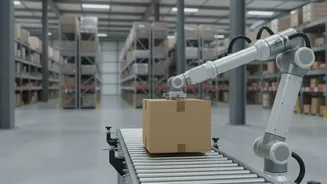
The change is most visible in how daily tasks are performed. A warehouse worker might now use a handheld device that runs an AI-powered system to plot the most efficient route for picking items. In customer service, agents are no longer just answering calls; they are managing teams of AI chatbots, intervening only when a query requires human empathy or complex problem-solving. This model, often called 'human-in-the-loop', shifts the worker's role from a doer of repetitive tasks to an overseer and collaborator with an AI system. Forrester predicts that while AI will handle more routine work, humans will be needed for roles that require critical decisions and interpreting complex data.
What 'AI Knowledge' Really Means
When employers seek 'AI knowledge' for these roles, they aren't typically looking for the ability to build a neural network from scratch. Instead, they need employees who possess 'AI literacy'. This includes a few key abilities. First is prompt engineering: the skill of asking an AI the right questions to get the best results. Second is data literacy: the ability to interpret AI-generated reports and dashboards to make informed decisions. Finally, and perhaps most importantly, is critical thinking. Workers need to evaluate AI-generated output, spot potential errors or biases, and know when to trust the machine and when to apply their own judgment. It's less about coding and more about collaborating effectively with a very powerful new colleague.
The Drive for Efficiency and Data
The corporate push for this integration is driven by two main forces: efficiency and data. AI systems can optimize supply chains, streamline logistics, and handle thousands of customer inquiries simultaneously, freeing up human workers for more complex issues. This increases productivity and reduces operational costs. Furthermore, every interaction with an AI system generates valuable data. This data helps companies understand customer behaviour, identify operational bottlenecks, and predict future trends with greater accuracy. For businesses, investing in upskilling their workforce to use these tools is not just a perk; it is a competitive necessity for harnessing the full potential of AI-driven insights.
The Human Skills That Matter More Than Ever
Ironically, as workplaces become more automated, uniquely human skills are becoming more valuable, not less. With AI handling routine analytical and operational tasks, skills like emotional intelligence, creativity, leadership, and complex problem-solving are what set human workers apart. An AI can process a return, but it can't show the empathy that retains a frustrated customer. It can generate a report, but it can't use creative thinking to devise a novel solution to a persistent problem. The future of work in these evolving roles belongs to those who can effectively blend AI's computational power with their own indispensable human intuition and judgment.