

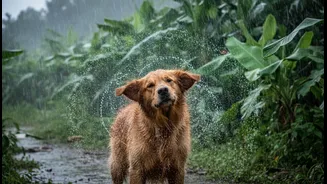


Prioritise Paw Hygiene
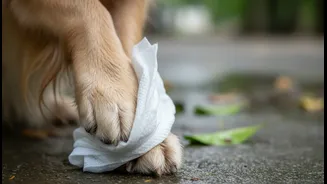
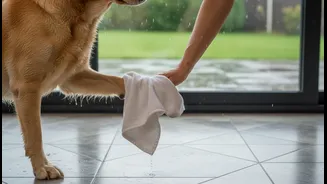
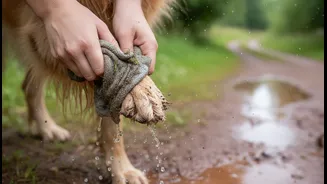
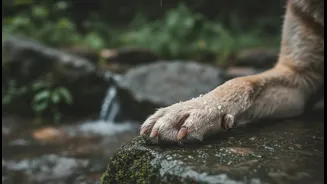
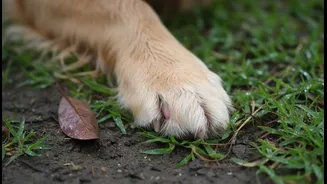
A dog's paws are ground zero for monsoon-related health issues. They come into direct contact with muddy, contaminated water that can harbour bacteria and fungi. This makes a consistent post-walk cleaning routine essential. After every single walk, rinse
your dog’s paws with lukewarm water and dry them thoroughly, paying special attention to the area between the toes where moisture gets trapped. This simple five-minute ritual is one of the most effective ways to prevent painful fungal infections and bacterial skin issues like pododermatitis (inflammation of the paw skin). If you notice constant licking, redness, or an unusual odour, it's an early warning sign of an infection. Keeping the fur between the paw pads trimmed also helps reduce moisture retention.
Guard Against Skin Infections
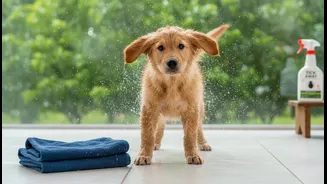
The constant high humidity during the Indian monsoon creates a perfect breeding ground for bacteria and fungi on your dog's skin. When a dog's coat remains damp, it can lead to common but distressing conditions like 'hot spots' (acute moist dermatitis) or stubborn fungal infections. Hot spots are red, oozing, and painful lesions that can appear suddenly and expand rapidly, while fungal issues present as itchy, scaly patches. To prevent this, thoroughly dry your dog's coat after every walk or bath. A towel might not be enough for dogs with thick undercoats; consider using a hairdryer on a low, cool setting. Regular brushing helps remove dirt and prevents matting, which can trap dampness against the skin. Using a vet-recommended antifungal shampoo every few weeks can also provide an extra layer of protection.
Watch for Water-Borne Diseases
While out on walks, never allow your dog to drink from puddles or any stagnant water. These pools are often contaminated with bacteria and viruses that can cause severe gastrointestinal problems like vomiting and diarrhoea. More seriously, stagnant water is a primary source of Leptospirosis, a dangerous bacterial disease that thrives in the rainy season and can even be transmitted to humans. Always provide fresh, clean, and preferably boiled or filtered water at home. Ensure their water bowl is cleaned daily to prevent any contamination. If you notice any signs of digestive upset, it's best to consult a vet promptly.
Adjust Their Diet and Exercise
Heavy rains often mean shorter walks and less physical activity, which can affect your dog's digestion and weight. It's wise to adjust their diet accordingly. You might need to slightly reduce their calorie intake to match their lower energy expenditure. Focus on a high-quality, easily digestible diet to support their immune system during this sensitive period. Adding fibre-rich vegetables can aid digestion, which sometimes becomes sluggish with less exercise. Avoid raw food diets during the monsoon, as the high humidity increases the risk of bacterial contamination. To combat boredom from being indoors, engage your dog with puzzle toys, training sessions, or indoor games to keep them mentally stimulated.
Step Up Parasite Prevention
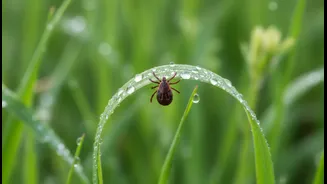
The warm, humid monsoon weather is peak breeding season for ticks and fleas. These parasites are not just an itchy nuisance; they are vectors for serious blood-borne diseases like Ehrlichiosis and Babesiosis, commonly known as tick fever, which can be fatal if left untreated. Year-round prevention is recommended, but it becomes non-negotiable during the rains. Consult your veterinarian for the most effective tick and flea treatment for your dog, whether it's a spot-on, a medicated collar, or an oral tablet. Perform daily checks for ticks after walks, especially in hidden areas like between the toes, inside ears, and under the tail.
Don't Forget the Ears
A dog's ears, particularly floppy ones, can easily trap moisture from the humid air or rainy walks. This creates a warm, damp environment perfect for yeast and bacteria to multiply, leading to painful ear infections. Signs of an ear infection include head shaking, scratching at the ears, redness, or a foul odour. To prevent this, make ear cleaning a part of your weekly grooming routine during the monsoon. Use a vet-approved ear cleaning solution to gently wipe the outer part of the ear, but never insert anything deep into the ear canal.