








From Bottleneck to Grand Welcome
For years, travelers to Leh have been greeted by a modest airport terminal that has struggled to keep pace with Ladakh's soaring popularity. At an altitude of over 10,600 feet, the existing airport has faced limitations in size and capacity, often leading
to congestion, especially during peak tourist season. The contrast between the epic Himalayan journey and the crowded airport experience was stark. The current terminal handles around 18 flights daily, a number that has already been increased to meet demand but remains a constraint. This operational ceiling has often meant limited flight availability and a challenging first and last impression for visitors drawn to the land of high passes.
A Quantum Leap in Capacity and Comfort
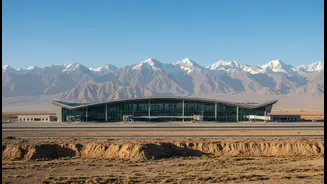
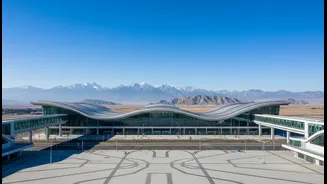
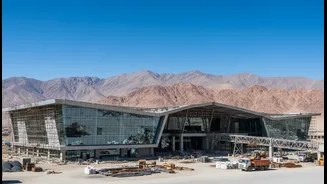
The new integrated terminal building, now 83% physically complete as of early July 2026, is set to change everything. According to the Civil Aviation Minister, Ram Mohan Naidu, the state-of-the-art facility will eventually be able to handle up to 54 flights per day, effectively tripling the airport's current capacity. This huge jump in operational capability means more flights from more cities, increased flexibility for travel planning, and potentially more competitive airfares. The terminal is designed to handle up to 3.5 million passengers annually, a significant increase from the current traffic of around 1.2 million. With modern features like 20 check-in counters, multiple aerobridges, and an advanced baggage handling system, the passenger experience is poised for a dramatic upgrade.
Designed for Ladakh, Inspired by Ladakh
This isn't just a generic glass-and-steel structure. The new terminal's architecture is deeply rooted in local culture. The design is intended to give visitors an authentic glimpse of Ladakh's rich heritage from the moment they arrive, incorporating elements inspired by traditional stupas and prayer wheels. Beyond aesthetics, the building is a marvel of sustainable engineering, tailored for its extreme high-altitude environment. It will be one of India's first airports to use a hybrid geothermal and solar power system. A geothermal system will provide heating—a critical need in a region where winter temperatures can plummet dramatically—while a 700 kWp rooftop solar array will harness Ladakh's abundant sunshine. This eco-friendly approach minimizes the airport's carbon footprint in a fragile ecosystem.
What This Means for Your Travel Plans
The project, which began construction in 2019, has been fast-tracked to meet growing demand. While the Civil Aviation Ministry has not yet announced a final commissioning date, earlier reports from local administration targeted completion by July or August 2026. The rapid progress signals that a transformed travel experience is on the immediate horizon. For anyone planning a trip, this development promises greater accessibility and comfort. The ability to handle more flights will reduce the seasonal bottlenecks that have defined Ladakh travel. The expansion is a clear indicator that the government is investing heavily in making Ladakh a more convenient and welcoming destination for tourists, which will in turn boost the local economy and support livelihoods.