




A Discovery Deep in the Earth
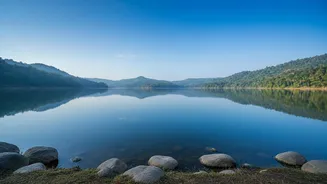
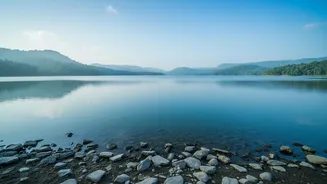
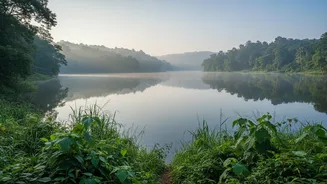
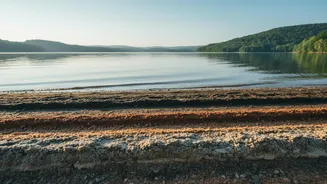
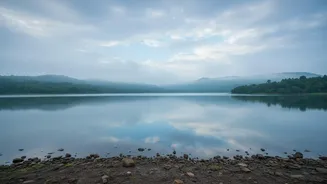
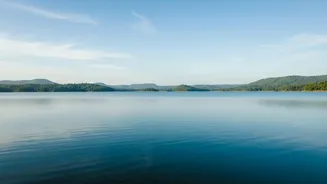
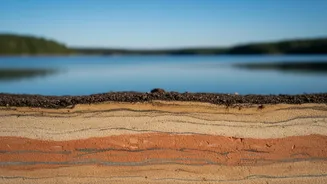
In the Korba district of Chhattisgarh, a water body named Raja Rani Lake has become the centre of a significant scientific breakthrough. Scientists from the Birbal Sahni Institute of Palaeosciences (BSIP) in Lucknow extracted a 40-centimetre-long sediment
core from the lakebed—essentially a vertical tube of mud preserving thousands of years of history. Within these layers of earth, they discovered ancient pollen grains that date back approximately 2,500 years. This finding is more than just a local curiosity; it offers a detailed chronicle of environmental changes in a region that lies in the heart of India's Core Monsoon Zone (CMZ), the area most influenced by the Indian Summer Monsoon. This zone receives the vast majority of India's annual rainfall, making its history crucial for understanding the nation's climate patterns.
The Science of Reading Pollen
The study of ancient pollen, known as palynology, is a powerful tool for peering into the past. Every year, plants release pollen, and some of it settles in nearby lakes, sinking to the bottom and becoming trapped in layers of sediment. Over centuries, these layers build up, creating an archive. By carefully extracting and analysing these cores, scientists can identify the types of plants that grew in the area at different times. The presence of pollen from forest-loving, moisture-dependent plants points to periods of high rainfall and warm, humid conditions. Conversely, a higher concentration of pollen from grasses and herbs suggests drier, more arid phases. Each microscopic grain acts as a data point, helping researchers reconstruct the past vegetation and, by extension, the climate that sustained it.
A Stronger, Wetter Past
The pollen from Raja Rani Lake told a surprising story. It revealed that between roughly 1060 and 1725 CE, Central India experienced an intensely wet and warm period with a much stronger monsoon than previously believed. This era coincides with what is known globally as the Medieval Climate Anomaly, a time of unusual climate conditions in many parts of the world. During this period, the vegetation around the lake shifted dramatically, from wooded savannah to dense mixed tropical deciduous forests, which could only be supported by significantly increased rainfall. This evidence directly challenges some previous notions about this period in India's climate history, showing a sustained, powerful monsoon in the country's core region. Crucially, the sediment record showed no evidence of significant dry spells during this time in the CMZ.
Why Lake Sediments Are Vital Archives
This study underscores why lakes are invaluable natural archives for climate scientists. Unlike written records, which can be sparse or non-existent for ancient periods, lake sediments provide a continuous, high-resolution environmental log. By studying these deposits, scientists can track long-term climate cycles, understand the drivers of monsoon variability, and see how ecosystems responded to past shifts. The findings from Chhattisgarh are particularly important because they help fill a critical knowledge gap about the monsoon's behaviour during a key climatic period. This data is not just about the past; it provides a vital baseline for testing and refining the climate models used today to predict future weather patterns and the potential impacts of global warming. Understanding how the monsoon behaved during past warm phases gives us crucial insights into how it might react in the future.