



The Enduring Taste of Devotion
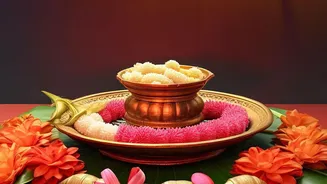
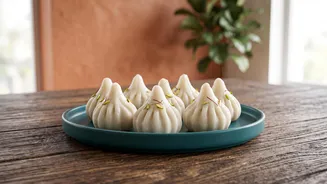
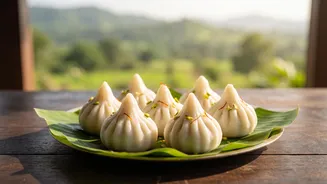
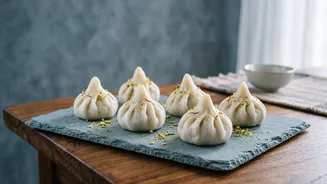
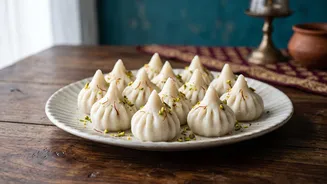
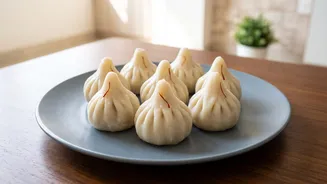
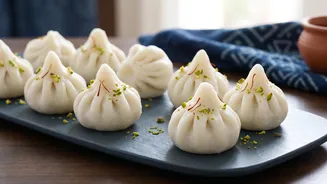
At the heart of the Ganesh festival is its food, a culinary tradition that is as vital as the prayers themselves. The most iconic offering is the modak, a sweet dumpling with a filling of jaggery and coconut, so beloved by the deity that he is often called
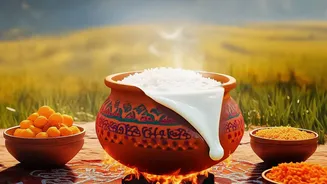
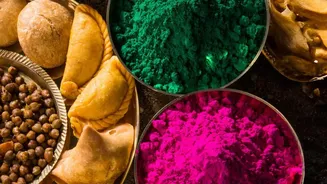
Modakapriya, or one who loves modaks. These steamed rice-flour parcels are considered a symbolic offering of wisdom. Beyond the modak, the festive platter, or 'naivedya', is a testament to India's diverse culinary landscape. In Maharashtra, homes prepare Puran Poli, a sweet flatbread stuffed with lentils and jaggery. Savoury dishes like Varan Bhaat (dal and rice) and spicy vegetable curries are also prepared as offerings before being shared as prasad. From the ladoos universally offered to the deity, to regional specialities like Goa's fried Nevri and Karnataka's steamed Khotto, the festival is a feast that unites families and communities.
From Local Ritual to Travel Itinerary
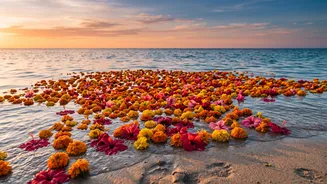
What was once a localized community or family event has transformed into a major travel motivator. A recent report highlighted that 52% of Indian travellers would consider planning a trip specifically for Ganesh Chaturthi, treating it as a destination event rather than a ritual observed only at home. This marks a significant shift in domestic tourism, where travellers are actively seeking immersive cultural experiences. Cities like Mumbai, Pune, and Hyderabad have become epicentres of this trend, drawing visitors from across India and even abroad. Mumbai, with its massive processions for idols like Lalbaugcha Raja and grand immersions at Girgaon Chowpatty and Juhu Beach, offers a spectacle that attracts millions. Pune, known for its historical significance and disciplined processions accompanied by energetic 'Dhol Tasha' drum troupes, offers a different but equally powerful experience. This phenomenon of festival tourism is reshaping how Indians travel, with many planning holidays around festival dates.
A Journey for the Senses
The modern festival traveller is not just seeking grand visuals; they are on a quest for authenticity, and food is a major part of that journey. Regional culinary experiences are a top reason for travel, with many planning trips to taste traditional dishes in their place of origin. During Ganesh Chaturthi, this translates into food-focused explorations. In Pune, for instance, local companies offer food-tasting tours that guide visitors through family-run eateries serving festive specialities. Travellers now follow food influencers on social media to find hidden gems and authentic meals, turning a religious festival into a rich gastronomic adventure. This desire to taste the real thing—be it the perfect modak from a legendary sweet shop or a home-style festive meal—is a powerful driver. It connects the traveller directly to the local culture, making the trip more than just sightseeing; it becomes a multi-sensory experience.
The New Face of Festive India
This blending of tradition with modern travel is fueled by greater connectivity, social media, and a growing desire for meaningful experiences. The "fear of missing out," driven by vibrant images and videos of festival food and celebrations online, encourages people to travel and participate firsthand. Travel companies have responded by curating festival-centric holiday packages that often include local food trails and cultural explorations. Moreover, the infrastructure for travel has adapted. Special trains are often scheduled to manage the festive rush, and cities like Mumbai issue detailed advisories for traffic and public transport to accommodate the massive crowds. This evolution shows that ancient traditions are not static; they are finding new life and relevance as they intersect with modern trends, turning spiritual journeys into holistic cultural explorations that engage all the senses.