




From Formal Space to Family Hub
For generations, the Indian drawing room was a formal space, a statement of status that was more for display than for daily life. Sofas were often protected by plastic covers, and children were shooed away to protect the perfect arrangement. That era is decisively
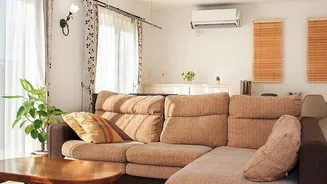
over. The post-pandemic world, with its hybrid work culture and an increased amount of time spent at home, has transformed the living room into the epicentre of the house. It's no longer a waiting room for visitors but a dynamic space where life unfolds—from morning chai and work calls to evening entertainment and family dinners. This shift isn't just about changing habits; it's a fundamental re-evaluation of what 'home' means. Buyers are now prioritising larger, more comfortable homes that support their daily lives, not just their commute. The focus has moved from premium pin codes to practical, liveable layouts that offer emotional comfort and flexibility.
A New Job Description for Furniture
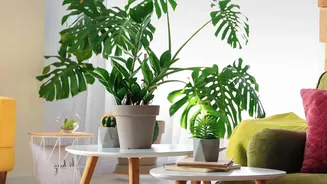
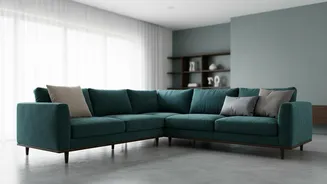
As the role of the living room has evolved, so have the demands on our furniture. A sofa is no longer just for seating guests; it’s a workstation, a napping spot, and a movie-watching lounge. This has given rise to the demand for multifunctional and modular pieces. Think of coffee tables with hidden storage or lift-tops that convert them into dining or work surfaces. Sofa-cum-beds, once considered a compromise, are now a smart solution for compact urban homes. Designers note that furniture is no longer a fixed set of objects but an adaptable system. Modular sofas that can be rearranged for gatherings, nesting tables, and wall-mounted desks that free up floor space are becoming essential in modern Indian homes where every square foot must justify its existence.
Comfort and Durability Over Ornate Design
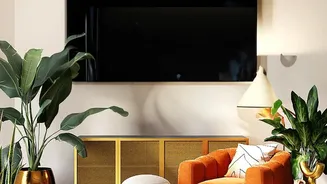
With furniture now in constant use, the selection criteria have changed. Aesthetics are still important, but comfort, durability, and ease of maintenance are now the top priorities. Consumers are moving away from sharp, boxy silhouettes and high-gloss finishes in favour of softer, curved shapes and natural materials that feel more inviting. Fabrics like boucle, velvet, and other textured textiles are popular not just for their looks but for how they feel. There's a renewed appreciation for solid woods like sheesham and teak, known for their longevity, over mass-produced particleboard. This reflects a growing consumer desire for quality and authenticity; people want furniture that can withstand the rigours of daily life and feel personal, not like a page from a catalogue.
A True Reflection of Modern Life
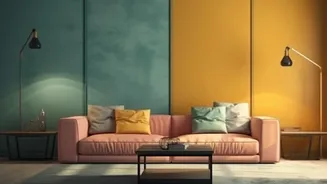
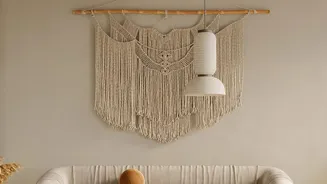
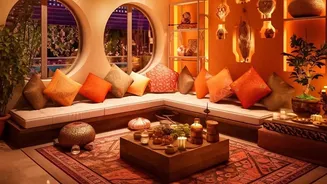
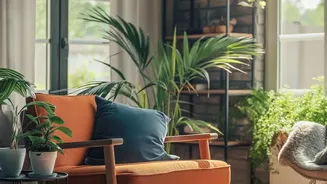
Ultimately, the shift in our living rooms is a mirror of broader changes in Indian society. The rise of nuclear families, the permanence of remote work, and a global design consciousness have all played a part. The home is no longer just a place to sleep but a sanctuary that needs to support work, rest, and play. This has led to a more personal and intentional approach to decorating. The trend is moving away from perfectly matched furniture sets towards a curated mix that reflects the homeowner's personality. People are choosing earthy colour palettes like terracotta and olive over sterile greys, and are incorporating handcrafted, artisan pieces that tell a story. The living room, once a symbol of social aspiration, has finally become a space that serves the people who live in it, prioritising real life over formal appearances.