






The New Price of Admission
Going to the movies is no longer a casual affair; it’s a significant expense. In metropolitan India, ticket prices for a premium seat at a major blockbuster can soar, sometimes costing more than an annual subscription to a streaming service. A standard
multiplex ticket in 2024 could average between ₹130 to ₹180, a steep rise from previous years. When you add the inflated costs of popcorn, drinks, and parking, a family of four could spend thousands of rupees on a single outing. This high cost forces a cost-benefit analysis in the minds of consumers. For that price, the film can't just be good; it needs to be an 'event'. This economic pressure naturally pushes smaller, quieter dramas and comedies down the priority list, as they are perceived as less of a guaranteed return on investment.
The Unbeatable Convenience of Home
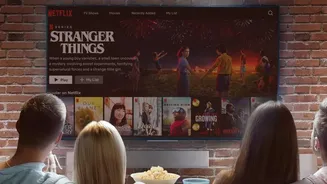
The competition isn't just other films; it's the comfort of your own couch. The rise of Over-the-Top (OTT) platforms in India has been explosive, with a streaming audience surging to over 600 million users by 2025. Surveys show that a majority of urban Indians now prefer streaming at home, citing convenience and affordability as key reasons. High-quality smart TVs, affordable soundbars, and the sheer volume of content available make for a compelling alternative. Furthermore, the window between a film's theatrical release and its streaming debut has shrunk, sometimes to as little as three weeks. Knowing a simple story or a mid-budget drama will be available to watch at home in a month discourages audiences from making the trip to the theatre.
Marketing the 'Unmissable' Event
Studios have adapted to this new reality by marketing their big-budget films not just as movies, but as cultural spectacles. The promotional campaigns for pan-India epics like 'Ramayana: Part 1' or action blockbusters like 'King' are designed to create a sense of urgency and FOMO (Fear Of Missing Out). These films are positioned as shared cultural moments that must be experienced on the biggest screen possible, with a cheering crowd. The communal experience of watching a hero's entry or a major plot twist unfold with hundreds of other people is something streaming cannot replicate. This 'event-ization' of cinema ensures that when audiences do decide to spend their money, they choose the film that everyone will be talking about.
The Spectacle Guarantee
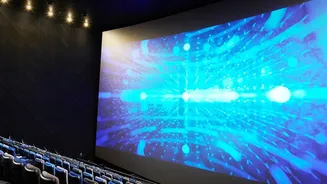
High-budget spectacles offer a unique selling proposition: a visual and auditory experience that most home setups cannot match. Cutting-edge VFX, immersive sound design like Dolby Atmos, and premium formats like IMAX are what theatres can leverage over OTT platforms. Films loaded with grand-scale action sequences, fantastical worlds, and stunning cinematography are explicitly made to be seen on a giant screen. This makes the decision easier for the audience. If a film promises a larger-than-life spectacle, it justifies the theatrical expense. A simple, dialogue-driven story, no matter how well-told, doesn't offer the same sensory justification for leaving the house. Cinemas are increasingly becoming the exclusive domain of films that demand to be seen, not just watched.
A Redefined Role for Cinema
This shift doesn't signal the death of smaller films, but rather a change in how they are consumed. OTT platforms have become a haven for content-driven cinema, allowing niche stories and innovative narratives to find a dedicated audience without the pressure of a massive opening weekend. While box office numbers in 2025 showed a healthy appetite for diverse content, the trend of event films dominating theatrical revenues remains strong. Theatrical cinema is no longer the primary platform for all types of movies. Instead, it is evolving into a premium space reserved for epic stories and visual marvels, while streaming services cater to the daily, more intimate storytelling needs of the audience. The choice is clearer than ever: go big, or stay home.