


Start with the Right Footwear
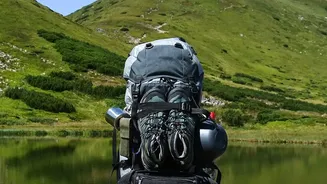
Your most important piece of gear is your footwear. Monsoon trails are often a mix of slippery rocks, slushy mud, and small streams. Normal sports shoes won't do; you need proper trekking shoes with a high ankle for support and a sole with deep grooves,
or lugs, for excellent grip. While fully waterproof boots sound ideal, they can sometimes trap water that gets in from the top. A better approach for many Indian monsoon treks is a pair of water-resistant, quick-drying shoes paired with waterproof socks. Always carry a few extra pairs of synthetic or wool socks to change into, as keeping your feet dry is crucial to prevent blisters and discomfort.
Master Your Rain Protection
Your primary shield against the rain is non-negotiable. You have two main choices: a rain jacket and pants set, or a poncho. A good jacket and pants offer better mobility and comfort while walking. A poncho is a looser, often cheaper option that has the advantage of being able to cover both you and your backpack. For a first-timer on an easier trek, a durable poncho is a great start. Whichever you choose, ensure it's easily accessible in your pack, so you can pull it out the moment the weather turns. A simple sun cap worn under your hood can be a game-changer, as its brim directs rainwater away from your face, improving visibility.
Choose Quick-Dry Clothing Layers
The golden rule of monsoon trekking is to avoid cotton at all costs. Cotton absorbs moisture, gets heavy, and takes a very long time to dry, which can leave you feeling cold and uncomfortable. Instead, opt for synthetic, quick-dry fabrics for all your clothing—from your t-shirts to your trekking pants. Dressing in layers is the smartest strategy. A moisture-wicking base layer keeps sweat off your skin, a fleece jacket provides warmth for chilly evenings, and your waterproof outer layer protects you from the elements. Pack at least one extra set of clothes in a waterproof bag.
Protect Your Backpack and Valuables
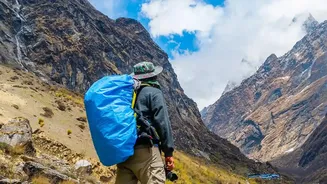
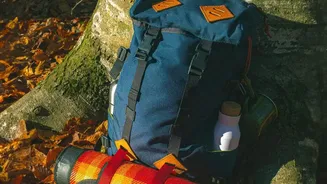
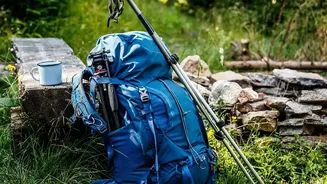
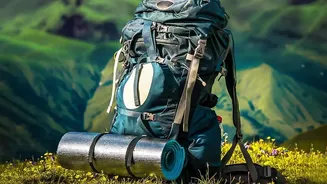
Your backpack holds all your essentials, so keeping it dry is a top priority. Most good rucksacks come with a built-in rain cover, usually tucked into a pocket at the bottom. This is your first line of defense. For complete protection, use an additional layer inside your bag. You can line your entire rucksack with a large plastic bag or use smaller, dedicated 'dry bags' or even zip-lock pouches to compartmentalise your gear. This ensures that your spare clothes, electronics, and snacks remain dry even in a heavy downpour. Your phone, power bank, and camera should be stored in a reliable waterproof pouch.
Pack a Smart Health and Safety Kit
A well-stocked first-aid kit is essential on any trek, but the monsoon requires a few specific additions. Due to the damp conditions, antiseptic wipes, bandages, and blister pads are crucial. Many monsoon trails in India, especially in the Western Ghats, are home to leeches. Carry leech-proof socks or apply a strong insect repellent to your shoes and lower legs. Having a small bottle of hand sanitiser or some salt can help in removing leeches if they do latch on. Also include any personal medications, pain relievers, and tablets for water purification. A headlamp or torch is vital, as misty conditions can reduce daylight quickly.
Don't Forget Stability and Energy
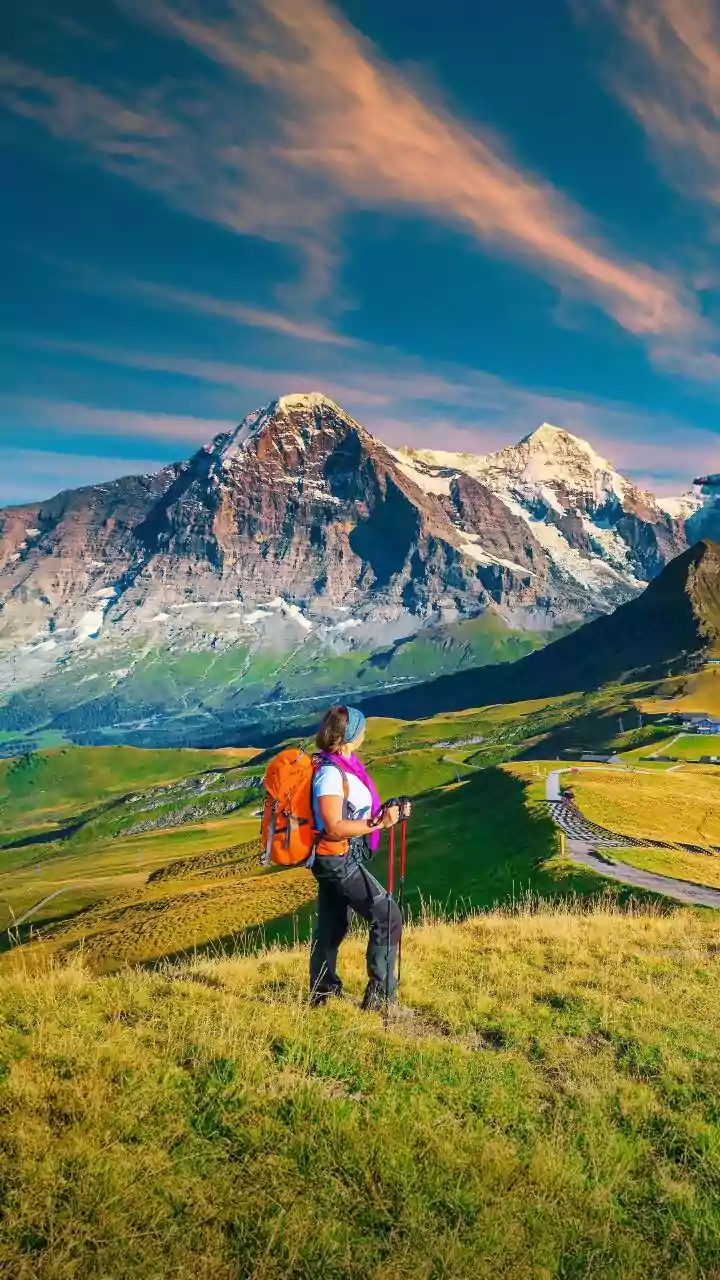
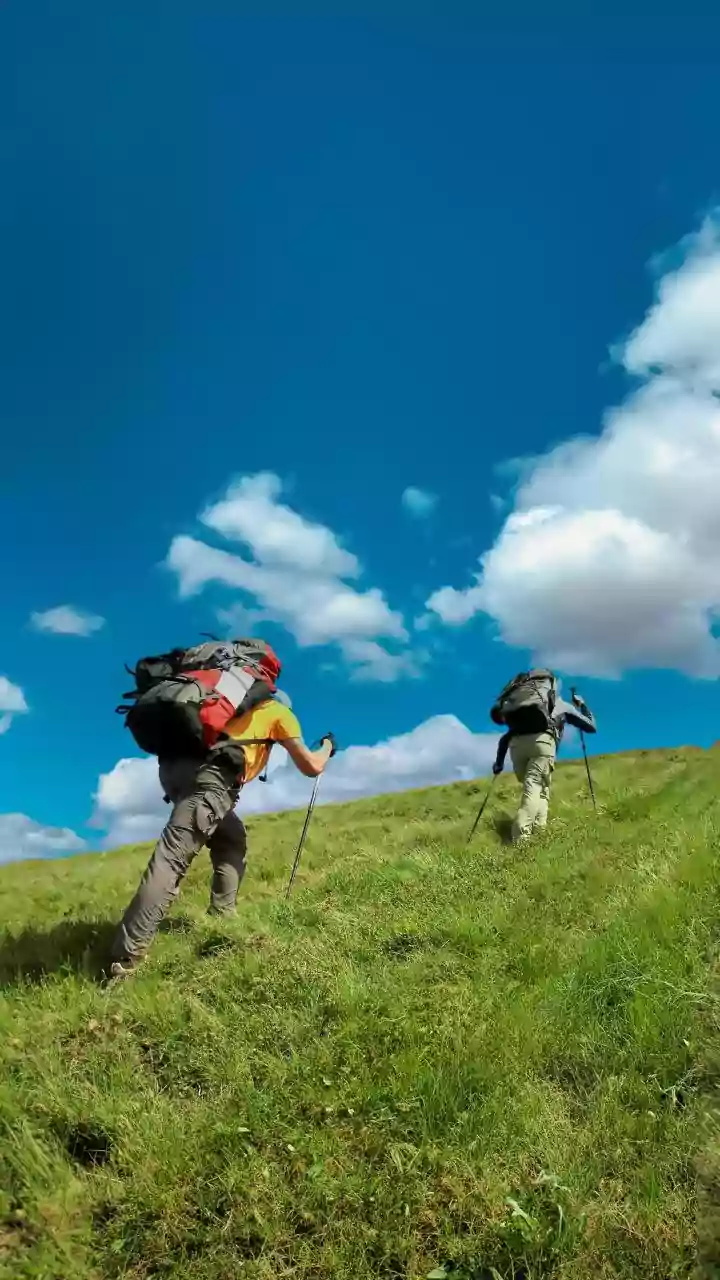
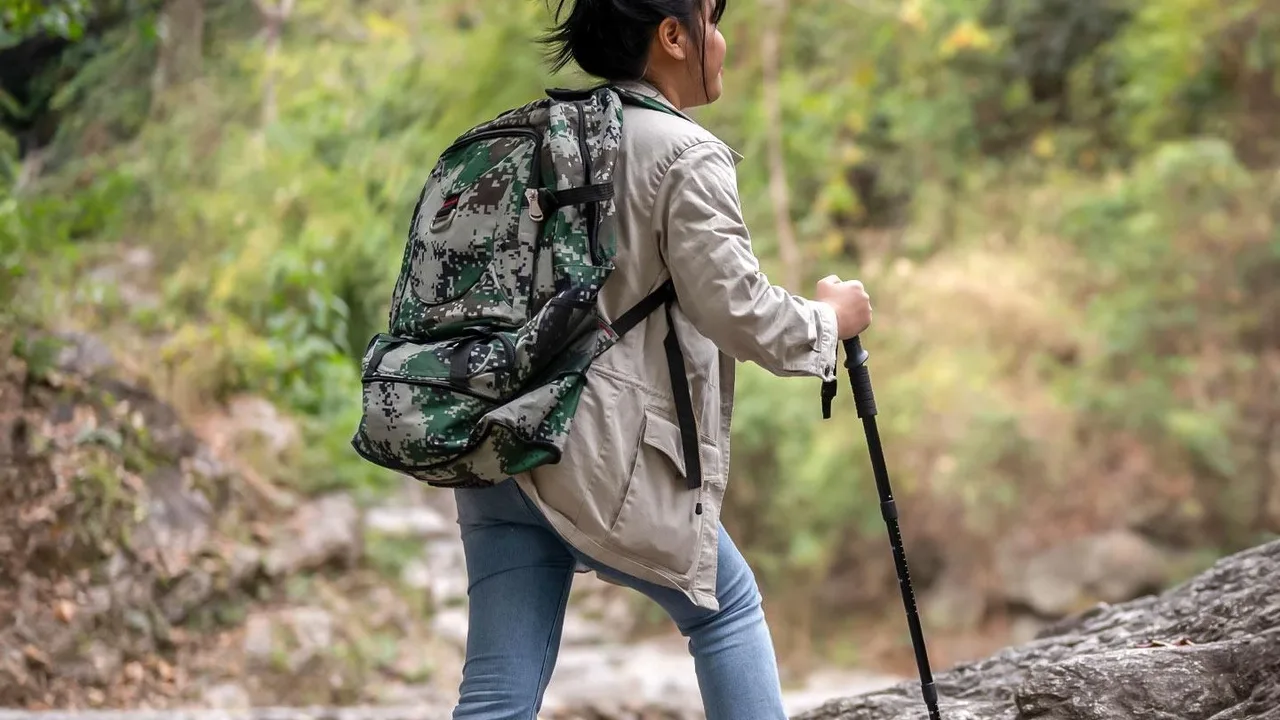
Slippery and uneven trails can be physically demanding. A pair of trekking poles can significantly improve your stability, reduce strain on your knees during descents, and help you navigate muddy patches. They act as a reliable third point of contact with the ground. Finally, keep your energy levels up. The cool weather can be deceptive, but you are still burning a lot of calories. Pack high-energy snacks that are easy to eat on the go, such as nuts, energy bars, and dried fruits. Remember to stay hydrated by sipping water regularly throughout your trek.