



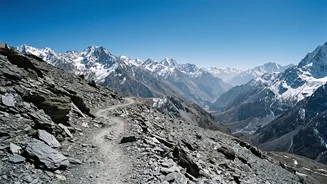
A Costly Himalayan Rescue
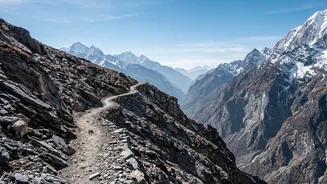
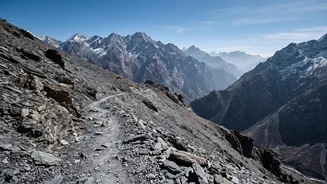
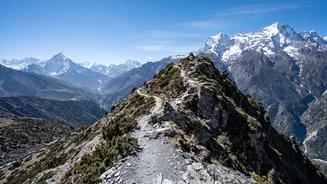
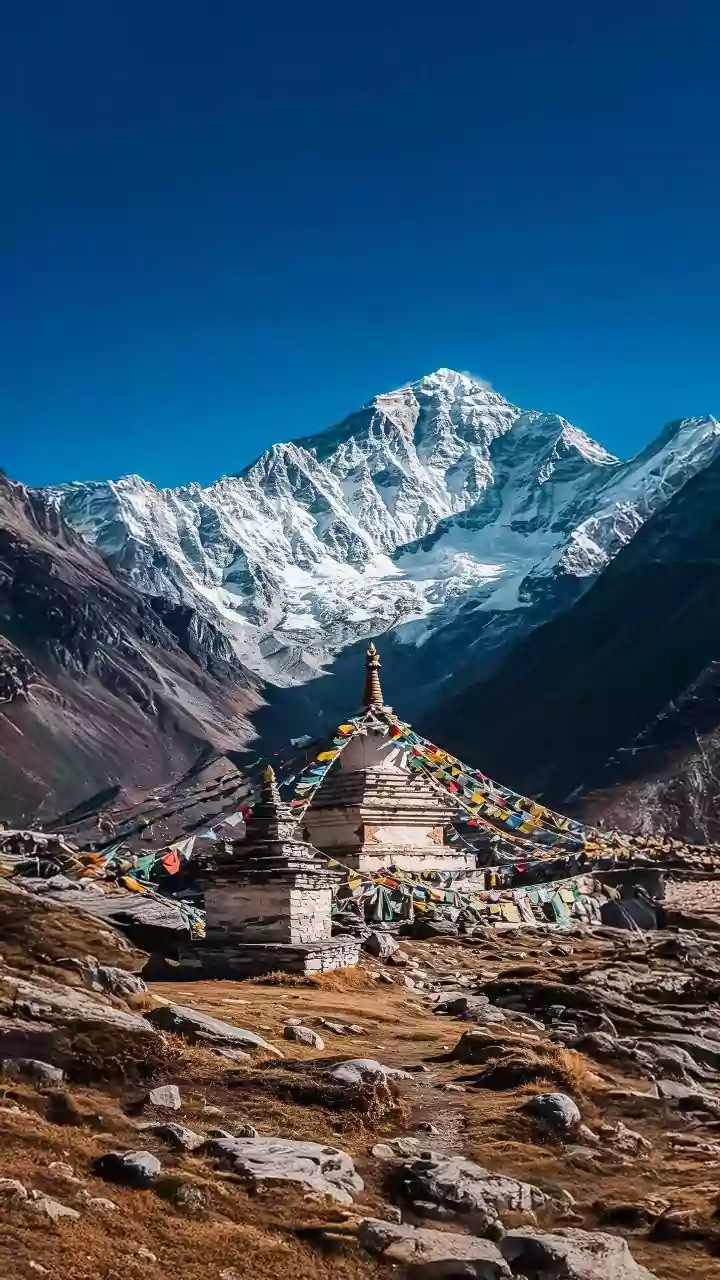
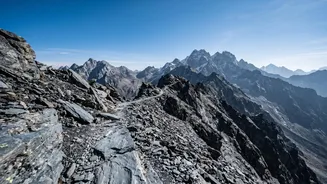
In early November 2026, a dramatic helicopter rescue of six Indian trekkers from Nepal's remote Upper Dolpa region captured headlines. The group became stranded in heavy snowfall after reportedly ignoring weather warnings related to Cyclone Arnab. The rescue operation,
which cost the Nepalese government an estimated one million rupees, was complicated by the group's lack of travel insurance and the fact they had entered a restricted area. Nepalese authorities stated the trekkers deliberately avoided official checkpoints. Following their safe evacuation, the group was fined for trekking without the necessary permits. Officials noted that while the maximum fine was not imposed, such 'irresponsible behaviour' puts a strain on resources and puts lives at risk.
The Rules of the Trail Are Not Suggestions
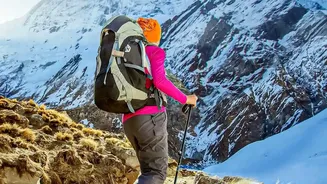
The incident in Dolpa throws a spotlight on trekking regulations that have been significantly tightened. Since April 2023, Nepal has made it mandatory for all foreign trekkers in national parks and conservation areas to be accompanied by a licensed local guide. This rule, now strictly enforced in 2026, effectively ends the era of solo or independent foreign trekking on most major routes, including those popular with Indians like the Annapurna and Everest circuits. The objective is twofold: to enhance trekker safety after a rise in incidents involving lost or stranded individuals, and to support the local economy by providing employment for licensed guides. Indian citizens, while exempt from visa requirements to enter Nepal, are not exempt from these trekking regulations.
Understanding the Permit Puzzle
Navigating Nepal's permit system is crucial. The primary documents are the Trekkers' Information Management System (TIMS) card and specific permits for National Parks or Conservation Areas. As of 2026, the old system of obtaining an 'independent' TIMS card is gone. All permits must now be arranged through a government-registered trekking agency, which also arranges the mandatory licensed guide. The cost for a TIMS card for SAARC nationals is around NPR 1,000, while other permits like the Annapurna Conservation Area Project (ACAP) permit also have specific fees for SAARC citizens. Attempting to trek without these can lead to significant penalties.
Penalties for Bypassing the Rules
The consequences for flouting these rules are becoming more severe as enforcement ramps up. Trekkers caught on regulated trails without a guide or the correct permits face fines of up to NPR 12,000. Beyond fines, authorities have the power to revoke your permits, escort you off the trail, and in serious cases, blacklist you from future trekking in Nepal. The recent incident in Dolpa saw the six Indian trekkers fined a total of NPR 160,000, which included permit fees and penalties for their violations. Checkpoints along popular trails now actively verify both permits and the credentials of the guide, making it increasingly difficult to bypass the system.
How to Trek Responsibly in Nepal
The message from Kathmandu is clear: responsible trekking is the only way forward. For Indian travellers planning a Himalayan adventure, this means a shift in mindset and planning. The first and most important step is to engage a government-registered trekking agency in Nepal. This agency will handle all permit applications (TIMS, National Park permits, and Restricted Area Permits if needed) and assign a licensed guide. Always ensure your travel insurance includes high-altitude trekking and helicopter rescue evacuation. Finally, always heed local advice and official weather warnings. The mountains are unpredictable, and a local guide's experience is invaluable. The rules are not there to restrict freedom, but to ensure that every trekker's journey is both exhilarating and safe.