



Why Damp Leaves Are a Problem
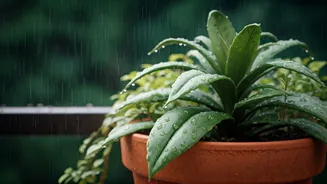
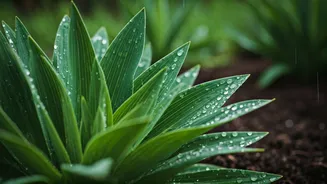
While rain is essential for plants, foliage that remains wet for extended periods, especially in warm, humid climates like India's, is highly susceptible to fungal infections. Spores of diseases like powdery mildew, black spot, and rust thrive in these
conditions. They land on a wet leaf surface, germinate, and penetrate the plant tissue, leading to unsightly spots, yellowing leaves, and reduced plant vigour. Poor air circulation, common in balcony gardens or densely planted areas, exacerbates the problem by preventing leaves from drying out quickly. Preventing the fungus from taking hold in the first place is far more effective than trying to treat a full-blown infestation.
The Protective Power of Botanical Oils
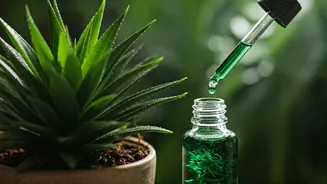
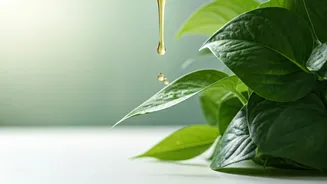
Botanical oils are concentrated extracts from plants known for their protective properties. Unlike harsh chemical fungicides, they work through physical and biochemical means. When diluted and sprayed on foliage, they form a thin, protective film. This film can work in several ways: it can suffocate small pests and fungal spores, disrupt their ability to feed and reproduce, or create a surface that is simply inhospitable for fungal germination. Many oils also have inherent antifungal and antibacterial properties. The most significant advantage is that they are biodegradable and generally safe for beneficial insects, pets, and the environment when used correctly, making them a cornerstone of organic gardening.
Neem Oil: The Garden's Gold Standard
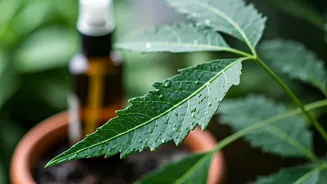
If you use only one botanical oil, make it neem oil. Extracted from the seeds of the neem tree (Azadirachta indica), a tree revered across India for its medicinal properties, this oil is a powerhouse. Its primary active compound, azadirachtin, acts as an antifeedant and growth disruptor for over 200 species of pests. Critically for damp foliage, neem oil is also a potent broad-spectrum fungicide effective against common ailments like powdery mildew, rust, and black spot. It works by preventing fungal spores from germinating and penetrating the leaf tissue. It is a preventative and a curative, though it works best when applied before a disease becomes severe.
How to Use Neem Oil Correctly
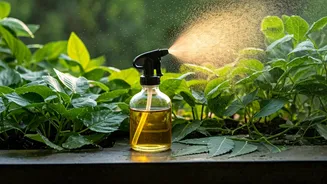
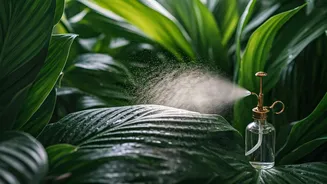
Mixing neem oil correctly is crucial, as oil and water do not mix on their own. You need an emulsifier. For a basic solution, mix one teaspoon (5 ml) of cold-pressed neem oil and half a teaspoon (2-3 ml) of a mild liquid soap (like a simple dish soap or castile soap) into one litre of warm water. Shake the mixture vigorously in a spray bottle. The soap acts as an emulsifier, allowing the oil to disperse evenly in the water. Always perform a patch test by spraying a small, inconspicuous leaf and waiting 24 hours to ensure there is no adverse reaction before spraying the entire plant. Apply the spray every 7-14 days as a preventative measure during the monsoon, or every 5-7 days if you see early signs of disease.
Best Practices for Application
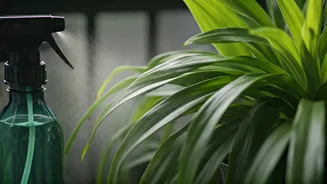
Timing and technique are everything when using botanical oils. Always spray in the early morning or late evening. Spraying in the midday sun can cause the oil to heat up on the leaves, leading to foliage burn. Ensure you coat all surfaces of the plant thoroughly, paying special attention to the undersides of leaves where pests and fungal spores often hide. Avoid spraying on plants that are stressed from drought or extreme heat. Make a fresh batch of spray for each application, as the oil mixture can degrade and lose its effectiveness over time. Consistency is key; a single spray won't solve all your problems. Regular application is part of a healthy garden maintenance routine during high-risk seasons.