






Unpacking the New Trade Rules
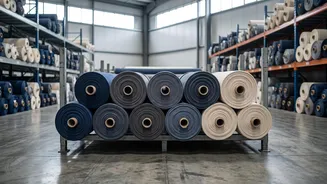
The landmark agreement, which entered into force on October 20, 2026, grants Indian exporters duty-free access for 100% of goods entering the New Zealand market. This move immediately eliminates tariffs of up to 10% on key Indian exports like textiles,
apparel, leather goods, and certain engineering products. The goal is to deepen economic ties and more than double bilateral trade in goods and services within the next few years. In return, India has offered tariff concessions on a majority of its product lines from New Zealand. While this opens doors for many, it also means Indian retailers will face new competition from New Zealand imports, necessitating a strategic re-evaluation of sourcing, pricing, and market positioning.
The Dairy Dilemma and Agri-Sector Protection
A central and historically sensitive point in negotiations has been India's dairy sector. The final agreement reflects India's firm stance to protect its 80 million small dairy farming households. Core dairy products like liquid milk, yoghurt, most cheeses, and butter remain on a 'negative list', shielded from cheap imports by high tariffs. This is a crucial win for local dairy cooperatives and the retailers who depend on them. However, the deal does allow for some phased-in access for specific items like infant formula and milk albumins, and establishes tariff-rate quotas for products like apples and kiwifruit. Retailers in the food and grocery space must now balance the appeal of new, potentially cheaper imported produce against their commitment to domestic suppliers.
Opportunities Beyond the Grocery Aisle
For retailers outside the food sector, the FTA presents a clearer path to growth. With tariffs eliminated, Indian-made textiles, apparel, and footwear become more price-competitive in New Zealand. This could boost 'Made in India' brands and retailers who focus on these categories. Similarly, retailers specializing in pharmaceuticals, gems and jewellery, and engineering goods can expect to benefit. The deal may also lower input costs for some Indian manufacturers by providing duty-free access to raw materials like wooden logs and certain metals from New Zealand, a benefit that could trickle down to retailers in the form of better wholesale prices on finished goods.
Adapting to the New Reality
Adaptation will be key for Indian retailers to thrive under these new terms. For those facing direct competition from New Zealand imports, the focus must shift from price to value. This means strengthening local supply chains, emphasizing quality and freshness for agricultural products, and building strong brand loyalty that can withstand the allure of cheaper alternatives. Retailers in export-focused sectors should proactively explore the New Zealand market, leveraging the new duty-free advantage. This could involve partnering with distributors in New Zealand or even establishing an online presence to cater directly to Kiwi consumers. Diversifying product ranges to include both domestic specialties and select, high-quality imports could be another effective strategy, allowing retailers to cater to a wider array of customer preferences.
Leveraging Digital and Service Channels
The agreement is not just about physical goods. It includes provisions for services, investment, and the movement of professionals, which creates indirect opportunities for the retail sector. The pact aims to facilitate US$20 billion in investment from New Zealand, which could fuel expansion and modernization in India's retail infrastructure. Furthermore, as India's IT and digital solution providers gain better access to the New Zealand market, Indian e-commerce platforms and technology-driven retailers can leverage this expertise to improve their own operations, from supply chain logistics to customer experience. For retailers, this is a moment to invest in technology and upskilling to create a more resilient and competitive business model.