







The Problem with 'One-Size-Fits-All' Portions
The serving size printed on a food package is a standardized measure, not a personalized recommendation. These guidelines, often based on decades-old data, are designed for an imaginary average person and don't account for real-world factors. Many people
are served or serve themselves portions that are significantly larger than what's listed on the label, leading to unintentional overeating. This discrepancy between a 'serving size' and a 'portion size'—what you actually eat—is where many well-intentioned healthy eating plans go wrong. A single bagel, for instance, can often contain two or three standard servings of grains, a detail most people miss. The reality is that there is no 'average' person; we are all unique.
What Actually Shapes Your Needs?
Your ideal portion size is influenced by a combination of factors that are unique to you. Your age, sex, body size, and genetic makeup all play a significant role. But perhaps the most critical factor is your daily activity level. Someone with a sedentary desk job has vastly different energy requirements than a construction worker or a dedicated athlete. Furthermore, your health goals matter. Are you aiming to maintain your current weight, build muscle, or lose fat? Each goal requires a different nutritional strategy. Even stress can affect your metabolism and increase your body's demand for certain nutrients. Nutritional needs also evolve throughout our lives, from childhood into our senior years.
Your Personal Portion Guide Is in Your Hands
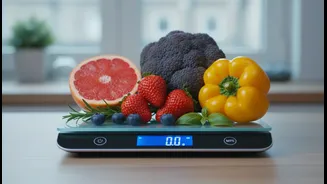
You don't need a weighing scale at every meal to get it right. Your own hands are a surprisingly accurate and portable tool for estimating portions. This simple method automatically adjusts for your body size—a bigger person tends to have bigger hands, and vice versa. An easy-to-remember guide for a balanced meal is: a palm-sized portion for protein like dal, paneer, chicken, or fish; a fist-sized portion for vegetables; a cupped handful for carbohydrates like rice or pasta; and the tip of your thumb for fats like oil, butter, or ghee. For a typical Indian meal, this could look like one palm of dal, a fistful of sabzi, and a cupped handful of rice. This visual guide makes it easy to build a balanced plate anywhere, anytime.
Beyond Measurement: Listen to Your Body
While hand-based guides are a great starting point, the ultimate goal is to develop a more intuitive relationship with food. This practice, known as mindful or intuitive eating, is about paying attention to your body's natural hunger and fullness signals. Instead of eating until you're stuffed or because the plate isn't empty, aim to eat until you are comfortably satisfied. This requires slowing down and eating without distractions like your phone or the television. When you eat mindfully, you give your brain time to receive the signal from your stomach that it's full, which can prevent overeating. This approach is less about restriction and more about building a respectful, trusting relationship with your body and its needs.
Putting It All Together for a Balanced Plate
So, how does this look in practice? When you build your thali or plate, start by filling half of it with vegetables. This ensures you get plenty of fibre and micronutrients. Then, fill one-quarter of the plate with a palm-sized serving of lean protein. The final quarter is for your carbohydrates. By using this plate-division method combined with the hand-size guide, you create a visually balanced and appropriately portioned meal. Remember to serve food in the kitchen rather than placing large serving dishes on the table, which can encourage mindless second helpings. And if you're eating out, where portions are often oversized, don't hesitate to share a meal or ask for a to-go box right at the start.