







So, What Are Adaptogens Anyway?
Before you can understand the lemonade, you have to understand the adaptogen. The term refers to a class of non-toxic herbs, roots, and mushrooms that are believed to help the body resist, or 'adapt' to, physical, chemical, and biological stressors. Think
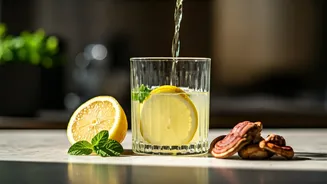
of them as a thermostat for your body’s stress response system. The concept has been central to practices like Ayurveda and Traditional Chinese Medicine for centuries, but it’s only recently gone mainstream in the U.S. wellness market. Common adaptogens you’ll see on ingredient lists include ashwagandha, an evergreen shrub root often used for stress and anxiety; rhodiola rosea, a plant thought to combat fatigue; and L-theanine, an amino acid found in green tea known for promoting relaxation without drowsiness. The scientific evidence for their effectiveness is still developing and varies by substance, but the core idea is compelling: instead of just hydrating, what if your drink could also help you manage the pressures of modern life?
The Slow Fade of Sugary Soda
This trend isn’t happening in a vacuum. For years, traditional sugary sodas have been on the decline, particularly among younger, health-aware demographics. The backlash against high-fructose corn syrup, artificial colors, and empty calories has been decisive. Consumers, especially those who prioritize fitness and clean eating, have been searching for alternatives that align with their values. First came the sparkling water boom, led by brands that made bubbly water a status symbol. Now, the market is evolving again. Active young adults aren’t just looking for what to *avoid* (sugar, calories); they’re looking for what to *add*. They want function. They’re seeking beverages that do more than quench thirst—they want drinks that enhance their mood, sharpen their focus, or help them wind down. A can of soda offers a fleeting sugar rush and a subsequent crash. An adaptogenic beverage offers a promise of sustained balance and well-being, a much more attractive proposition for a generation fluent in the language of self-care.
Sipping on Serenity: The Mental Wellness Connection
Perhaps the biggest driver behind the adaptogenic wave is the cultural shift toward prioritizing mental health. Millennials and Gen Z are more open about discussing anxiety, burnout, and stress than any generation before them. They are actively seeking tools and practices to support their mental well-being, and that extends to what they consume. An adaptogenic lemonade fits perfectly into this paradigm. It’s a small, accessible act of self-care. Instead of reaching for a beer or a glass of wine to de-stress after a long day—a habit many are questioning in the 'sober curious' movement—they can grab a beverage marketed as a relaxation aid. Brands like Recess and Moment have built their entire identity around this concept, using pastel colors, minimalist design, and calming language like 'an antidote to modern times.' It's not just a drink; it's a mood. It's a socially acceptable, non-alcoholic way to signal that you’re taking a moment for yourself.
Not Your Average Lemonade Stand
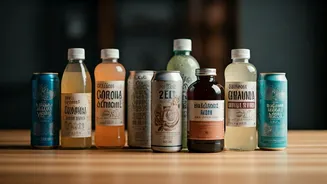
This new class of beverage isn't being sold like a typical soft drink. You’ll find these adaptogenic concoctions in the curated coolers of upscale grocery stores, wellness shops, and trendy cafes. They are premium products with premium price tags, often costing between $4 and $7 a can. The cost reflects not only the specialized ingredients but also the aspirational lifestyle they represent. The target consumer isn’t looking for a bargain; they’re investing in their health and image. The sleek, photogenic cans are practically designed for Instagram, turning a simple beverage choice into a personal brand statement. For active individuals who have already embraced boutique fitness classes, organic meal kits, and high-tech wearables, a functional, aesthetically pleasing drink is the next logical step in optimizing every aspect of their life.