





The Baahubali Blueprint
The shift can be traced back to one pivotal moment: the release of S.S. Rajamouli's 'Baahubali: The Beginning' in 2015. Before this, films were typically made for a specific linguistic audience. Dubbing or remakes were common, but 'Baahubali' was conceived
and marketed from day one as a single, monumental event for the entire nation. Released simultaneously in Telugu, Tamil, Hindi, and Malayalam, its unprecedented success proved that a story rooted in Indian mythology and grand visuals could captivate audiences everywhere, dissolving cultural and linguistic barriers. 'Baahubali 2: The Conclusion' (2017) shattered records, becoming the first Indian film to gross over ₹1,000 crore and cementing the formula. It wasn't just a blockbuster; it was a blueprint for a new kind of Indian entertainment.
Anatomy of a Spectacle
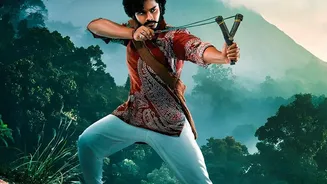
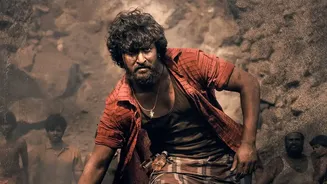
What defines these cinematic behemoths? It's a potent combination of ingredients. First, the scale is monumental, with budgets that soar into hundreds of crores, financing world-class visual effects and breathtaking action sequences. The narratives often draw from universally resonant themes like mythology, history, or social justice, framed through a hyper-masculine lens. Films like 'KGF', 'Pushpa: The Rise', and 'RRR' feature larger-than-life heroes whose swagger and power are central to the appeal. This hero-centric storytelling, combined with high production values, creates an overpowering theatrical experience designed to feel like a national cultural event rather than just a movie.
The New Economics of Entertainment
The pan-Indian model is as much a business revolution as it is a creative one. By targeting the entire country at once, producers can justify astronomical budgets that would be unsustainable for a single regional market. This strategy involves aggressive, nationwide marketing campaigns and often strategic casting, bringing in stars from different industries to broaden a film's appeal. For instance, a Telugu film might cast a major Bollywood star in a key role to attract Hindi-speaking audiences. The success of this model has been staggering, with films like 'KGF: Chapter 2' and 'RRR' joining the elite ₹1,000 crore club, proving the immense profitability of thinking beyond regional lines.
Blurring Borders and Building Stars
This movement has fundamentally altered the star system. Actors who were once regional superstars, like Prabhas, Yash, and Allu Arjun, have transformed into national icons. Their films' success in the Hindi-speaking heartland, traditionally dominated by Bollywood, signalled a major power shift in the industry. The lines between Bollywood, Tollywood, and Kollywood have become increasingly porous, with more cross-industry collaborations than ever before. Actors like Shah Rukh Khan starring alongside Tamil stars Nayanthara and Vijay Sethupathi in 'Jawan' is a prime example of this new, integrated landscape. An actor's identity is no longer confined to their home industry.
The Cultural Cost of Scale
However, the dominance of these spectacles is not without criticism. Some argue that the relentless focus on massive-scale action and hero worship is leading to a homogenization of content, sidelining smaller, more nuanced films. The pressure to create a universally appealing product can sometimes strip stories of their regional specificity, which was once a hallmark of Indian cinema's diversity. There's also an undeniable fatigue setting in for some audiences, who feel that many films are simply trying to replicate a successful formula without genuine creativity. While the spectacle is thrilling, it has sparked a debate about whether business imperatives are beginning to overshadow the art of cinema.