



A New Horizon for Indian Road-Trippers
A renewed focus on regional connectivity is unlocking a new chapter for overland tourism. Recent government initiatives, such as expanding the network of land crossings equipped for modern travel, signal a larger trend towards more fluid borders. Key
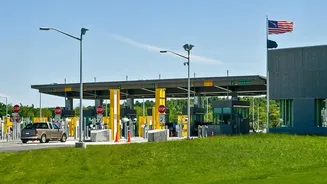
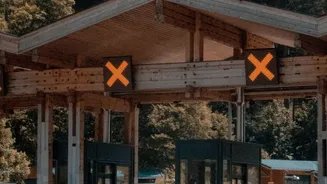
checkpoints like Jaigaon on the Bhutan border and Moreh on the Myanmar border are now better integrated into the international travel framework. This infrastructure push is not just for foreign tourists entering India; it is a crucial part of a bigger picture that benefits Indian adventurers looking to explore the incredible diversity of the subcontinent and beyond from behind the wheel. This shift is turning long-held travel dreams into tangible itineraries, encouraging road-trippers to look eastward and explore cultures that are just a drive away.
Gateway to the Himalayas: Nepal and Bhutan
For those seeking mountain vistas and spiritual solace, the Himalayan neighbours of Nepal and Bhutan remain the most accessible destinations for visa-free overland travel. The Indo-Nepal border is famously open, allowing Indian citizens to enter with minimal fuss. Key crossings like Sunauli in Uttar Pradesh and Raxaul in Bihar are popular entry points, and tourists generally only need a valid government-issued photo ID such as a passport, Voter ID card, or even an Aadhaar card to enter.
Bhutan, the land of the Thunder Dragon, also welcomes Indian tourists without a visa, though the process is more regulated. Travellers must obtain an Entry Permit at the land border in Phuentsholing, which is opposite the Indian town of Jaigaon. To get this permit, you must present an original passport with at least six months of validity or a Voter ID card. It's important for visitors to be aware of Bhutan's Sustainable Development Fee (SDF), a daily levy that supports the country's unique model of high-value, low-impact tourism. For those driving their own vehicles, a 'Green Tax' is also applicable for travel beyond designated zones.
The Ultimate Journey: Driving to Thailand
Perhaps the most exciting development for serious road-trippers is the increasing viability of the India-Myanmar-Thailand (IMT) Trilateral Highway. This ambitious project makes the epic journey from India to Thailand by road a reality. The route begins at Moreh in Manipur, crosses through Myanmar, and concludes at Mae Sot in Thailand, connecting India directly to the heart of Southeast Asia.
However, this adventure requires meticulous planning. Unlike the straightforward entry into Nepal or Bhutan, the IMT highway involves navigating the regulations of multiple countries. Indian travellers will need the proper visas for Myanmar and Thailand, which should be secured in advance. Furthermore, driving through Myanmar comes with specific conditions, often including the requirement to be accompanied by a local guide and a lead vehicle approved by Myanmar's tourism ministry. Vehicle owners will also need a Carnet de Passages en Douane (CPD), which is essentially a passport for your car that facilitates temporary importation across borders. While not a simple 'drive-through' experience, the route offers an unparalleled adventure across diverse landscapes and cultures.
Your Overland Travel Checklist
Before you start your engine, ensure your documents are in order. A smooth border crossing often comes down to good preparation. For any international road trip, your document kit should include:
Personal Documents: A valid Indian Passport with at least six months of validity is non-negotiable for most journeys. For Nepal and Bhutan, a Voter ID card is also widely accepted. Carrying multiple forms of ID is always a wise precaution.
Vehicle Papers: You will need your original Vehicle Registration Certificate (RC), a valid driving license, and up-to-date insurance and pollution certificates. Ensure the vehicle is registered in the name of one of the travellers.
Special Permits: For countries like Myanmar and Thailand, a Carnet de Passages en Douane (CPD) is essential for your vehicle. For Bhutan, you must secure your Entry Permit at the border. Always check the visa requirements for each country on your route well in advance.
Photographs: Keep a stash of recent passport-sized photographs, as they are often required for permits and other paperwork at border crossings.