






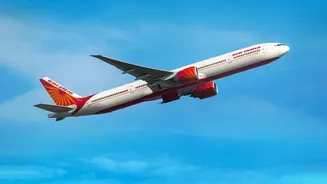

The Skyrocketing Demand for Air Travel
India is currently one of the world's fastest-growing aviation markets. A burgeoning middle class, rising disposable incomes, and enhanced regional connectivity through schemes like UDAN have unleashed an unprecedented demand for flights. Passenger traffic
has recovered strongly post-pandemic, and forecasts project continued high growth. Airbus recently raised its forecast for India's domestic air traffic growth to 9.3% annually through 2045, projecting a need for approximately 3,480 new passenger aircraft over the next two decades to accommodate this expansion and replace older planes. However, this explosive growth has created a significant challenge: a demand-supply mismatch. Airlines are struggling to add capacity fast enough, leading to what Minister Goyal has termed an 'acute' shortage of aircraft.
An Engine for the National Economy
The call for more aircraft is directly linked to India's broader economic goals. A larger and more modern fleet is essential for bolstering tourism, facilitating business travel, and improving connectivity to remote areas, all of which are crucial for economic development. Goyal made his remarks during a visit to Egypt, where he linked a larger fleet directly to the ability to increase flights and strengthen trade ties between the two nations. The aviation sector is a significant economic multiplier; the International Civil Aviation Organization (ICAO) estimates that every dollar invested in aviation contributes 3.1 times more to the GDP. By expanding the fleet, India aims to not only meet passenger demand but also to create jobs, stimulate ancillary industries, and solidify its position as a global economic hub.
Navigating Production and Supply Hurdles
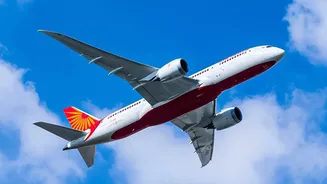
While Indian carriers like Air India, IndiGo, and Akasa Air have already placed massive orders totalling over 1,200 aircraft with manufacturers like Boeing and Airbus, the problem lies in delivery timelines. Many of these aircraft are scheduled for induction over several years, with some deliveries stretching as far as 2034. Global aircraft manufacturers are facing their own challenges, including large order backlogs and supply chain constraints for critical components like engines. This has prompted the Indian government to actively pursue manufacturers for faster supplies. The gap between the orders placed and the planes delivered is the central bottleneck preventing airlines from scaling up operations to match the country's surging appetite for air travel.
The 'Make in India' Ambition
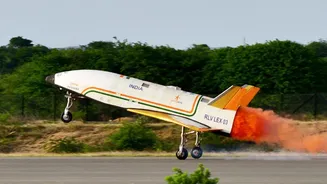
Beyond just purchasing aircraft, there is a growing emphasis on developing a domestic manufacturing ecosystem under the 'Make in India' initiative. Union Civil Aviation Minister K Rammohan Naidu recently stated that India aims to roll out domestically manufactured civilian aircraft within the next two years. The government is actively engaging with global giants like Airbus, Boeing, and Embraer to establish assembly and manufacturing facilities in the country. This strategy aims to create high-skilled jobs and build self-reliance in the aerospace sector. Collaborations are already underway, such as the Tata-Airbus C-295 transport aircraft facility and Embraer's partnership with the Adani Group. Developing a robust Maintenance, Repair, and Overhaul (MRO) industry is another key focus to ensure that the economic benefits of a larger fleet remain within India.
Challenges on the Horizon
Expanding the fleet is not without its challenges. The Indian aviation sector faces several headwinds, including high operating costs driven by expensive aviation fuel, and a shortage of trained pilots and technicians. Airport infrastructure also needs to keep pace with the growing number of aircraft and passengers, though ambitious plans are in place to double the number of operational airports by 2047 and increase passenger handling capacity significantly. Furthermore, ensuring financial stability for airlines remains a persistent issue, with high costs and intense competition affecting profitability. Addressing these structural problems through policy support, infrastructure development, and workforce training will be critical to sustainably managing one of the largest fleet expansions in global aviation history.