




The End of the Linear Ladder
For decades, the ideal career looked like a ladder: start at the bottom, climb steadily within one field, and retire from the top. This linear path promised stability and was seen as the safest route to success. However, the rapid evolution of technology,
particularly AI, is making this model obsolete. Jobs are changing, with some roles disappearing and new ones emerging, which means that staying in a single, rigid lane is no longer a guarantee of security. Today’s economy demands adaptability, and a career path that looks more like a rock-climbing wall than a straight ladder—sometimes you move sideways, and sometimes you might even step back to find a better route up. This shift is driven by the reality that skills can become outdated, and a professional identity tied to one specific role is vulnerable.
The Rise of Skill-Stacking and T-Shaped Professionals
Instead of focusing on a single, deep specialisation, the future belongs to those who can build a diverse portfolio of skills. This concept is often described as becoming a "T-shaped professional." The vertical bar of the 'T' represents deep expertise in one core area, while the horizontal bar signifies a broad knowledge across multiple other domains. As AI begins to handle more routine and specialised tasks, the ability to connect different fields, collaborate with diverse teams, and understand the bigger picture becomes a significant advantage. This approach, known as skill-stacking, makes you more resilient and versatile. Employers are increasingly looking for people who are curious problem-solvers with a blend of technical and human-centric skills, rather than just narrow specialists. For professionals in India, this means leading with your skills, not just your job title, is becoming the new playbook for career growth.
Embracing Lifelong Learning as a Strategy
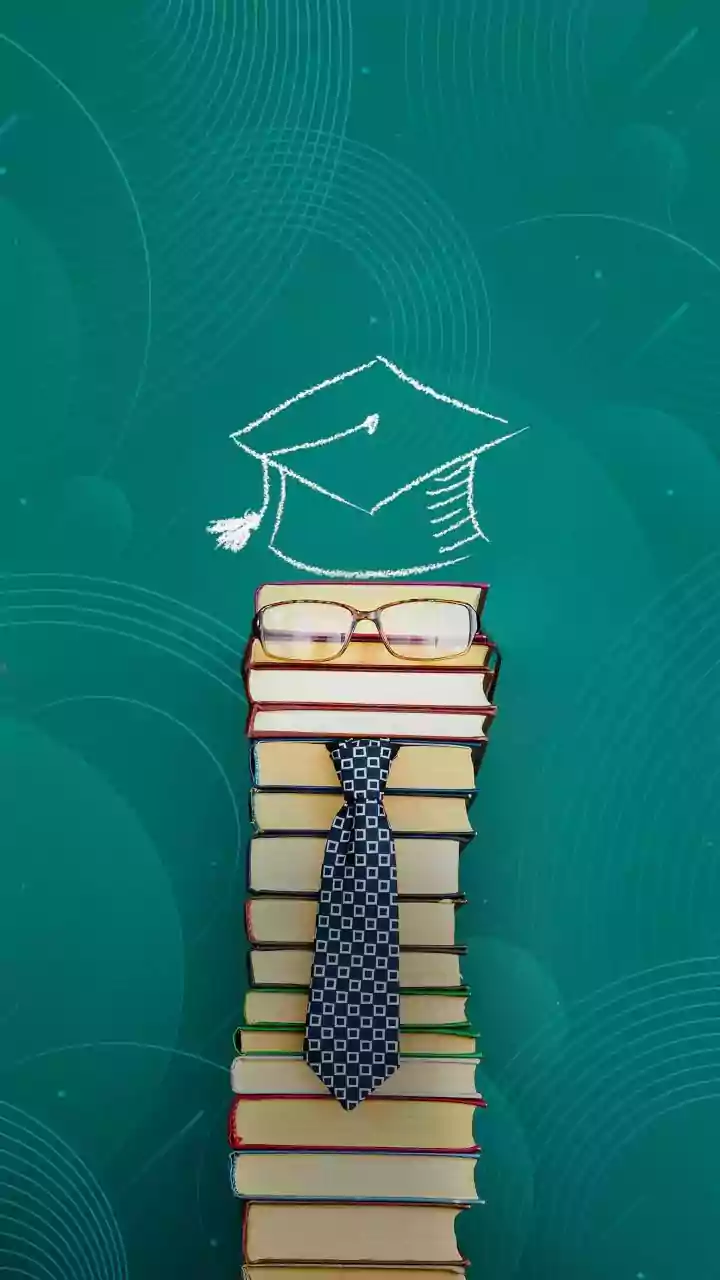
Gone are the days when a university degree was enough to sustain a 40-year career. In the age of AI, continuous learning isn't just a good habit; it's a core survival strategy. The World Economic Forum has highlighted that a significant portion of the global workforce will require reskilling or upskilling in the coming years. This doesn't necessarily mean going back to school full-time. Lifelong learning can take many forms, including online courses on platforms like Coursera, industry certifications, workshops, or even self-directed projects that teach you how to use new AI tools. Many Indian professionals are already optimistic, with a majority believing AI can make them more productive. By proactively identifying and filling skill gaps, you can turn the disruption of AI into an opportunity for growth and transition from tasks that can be automated to more strategic, high-value work.
Redefining Success with Non-Linear Moves
A flexible career path involves intentional moves that don't always point upwards. This could mean making a lateral move to a different department to gain new experience, transitioning to a different industry altogether, or taking on project-based work. These non-linear paths allow you to align your work more closely with your personal values and interests, leading to greater fulfillment. Such moves build resilience, as a diverse range of experiences makes you better equipped to handle market changes. AI itself can be a powerful ally in this process. AI-powered tools can help you analyze your resume, identify transferable skills you might not have noticed, and suggest career paths that align with your experience, even in entirely new fields. This makes the once-daunting prospect of a career change more manageable and data-driven.
The Irreplaceable Value of Human Skills
As AI takes over repetitive and data-heavy tasks, the skills that make us uniquely human are becoming more valuable than ever. Competencies like critical thinking, creativity, complex problem-solving, communication, and emotional intelligence cannot be easily replicated by machines. These are the skills that enable strategic insight, innovation, and effective leadership. Rather than fearing replacement by AI, the smart move is to focus on honing these power skills. The future of work is not about humans versus AI, but humans amplified by AI. By letting AI handle the routine work, professionals are freed up to concentrate on the strategic and creative aspects of their jobs, which is where true value is created.