








The Monsoon Hydration Paradox
The cool, damp weather of the monsoon can be deceptive. While you might not feel as thirsty as you do on a hot summer day, your body is still losing fluids. The high humidity in the air prevents your sweat from evaporating efficiently. [6, 19, 20] This
is the body's primary cooling mechanism, and when it's hampered, your system works overtime, producing more sweat to try and cool down, leading to significant fluid and electrolyte loss without you even realizing it. [6, 21] This effect is compounded because the cooler temperatures and moisture in the air can suppress your natural thirst signals, creating a perfect storm for dehydration. [2, 5, 8] Many people mistakenly believe they need less water during this season, but hydration remains just as critical. [11]
Don't Wait for Thirst: Know the Signs
Thirst is a delayed signal; by the time you feel it, you may already be mildly dehydrated. [2] During the monsoon, it's crucial to watch for other, more subtle signs. [5] Persistent fatigue, sluggishness, and frequent headaches are common indicators that your fluid levels are low. [3, 8] Another key sign is the colour of your urine; if it's dark yellow, your body is telling you to drink more fluids. [5, 7] Other red flags include dry mouth despite the humidity, dizziness, dry skin, and even increased irritability. [7, 8] Attributing these symptoms to the gloomy weather is a common mistake that can mask underlying dehydration. [5]
Upgrade Your Water, Boost Your Immunity
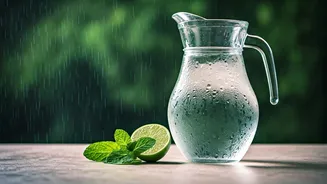
While drinking enough water is fundamental, how you drink it matters, especially when the risk of water-borne diseases like cholera and typhoid increases. [9] Experts strongly advise drinking only boiled or properly filtered water. [7, 15] Storing it in a clean container is equally important. [9] For an added boost, consider drinking warm or lukewarm water, which can aid digestion—a system that often becomes sluggish during this season. [9, 15] Infusing your water with immunity-boosting ingredients like tulsi, ginger, or cumin can also be beneficial. [18] These additions not only make water more interesting but also possess antimicrobial and anti-inflammatory properties that help defend against seasonal illnesses. [15, 18]
Eat Your Water: Hydrating Foods for the Season
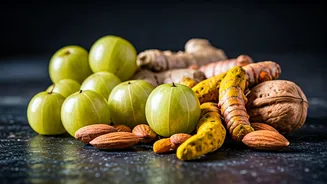
Hydration doesn't just come from a glass. Many monsoon-appropriate vegetables and fruits have high water content and can contribute significantly to your fluid intake. [3, 4] Seasonal gourds like bottle gourd (lauki) and ridge gourd (turai), along with cucumbers and tomatoes, are excellent choices. [14, 16] Fruits such as pears, jamun, pomegranates, and apples are also recommended by nutritionists. [16, 18] Incorporating warm, nourishing soups is another smart strategy. A simple dal shorba, vegetable soup, or even a South Indian rasam can be both comforting and incredibly hydrating. [16, 17] These foods also supply essential vitamins, minerals, and fibre that support your immune system and digestive health. [3, 14]
What to Limit: Drinks That Work Against You
Not all fluids are created equal when it comes to hydration. While a hot cup of chai or coffee might seem perfect for a rainy day, caffeinated beverages are mild diuretics, meaning they can cause you to lose more fluid. [2, 11] Relying heavily on them for your daily intake can be counterproductive. Similarly, sugary fruit juices and carbonated drinks are poor choices. Alcohol should also be consumed in moderation, as it contributes to dehydration. [4, 11] Instead of these, opt for hydrating alternatives like coconut water, which is naturally rich in electrolytes, or a glass of spiced buttermilk (chaas), which aids digestion and helps maintain gut health. [4, 9]
Replenish Electrolytes for Energy
When you sweat in high humidity, you lose not just water but also essential minerals called electrolytes, such as sodium and potassium. [6, 12] An imbalance of these can lead to fatigue, muscle cramps, and dizziness. [6, 12] Drinking plain water alone might not be enough to replenish these losses, especially if you are active. [10] Natural sources of electrolytes are an excellent addition to your monsoon diet. Coconut water is a powerhouse of potassium. [4] Bananas, spinach, and yogurt are also great options to help restore your body's mineral balance and keep your energy levels stable throughout the day. [4, 14] In cases of significant fluid loss from illness, a WHO-approved Oral Rehydration Solution (ORS) can be critical. [7]