
A Return to Earthen Roots
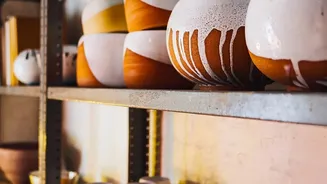
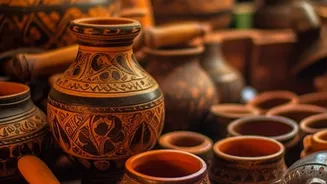
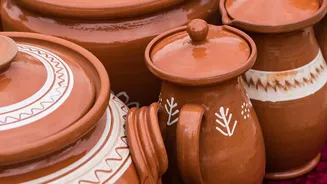
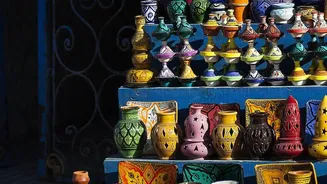
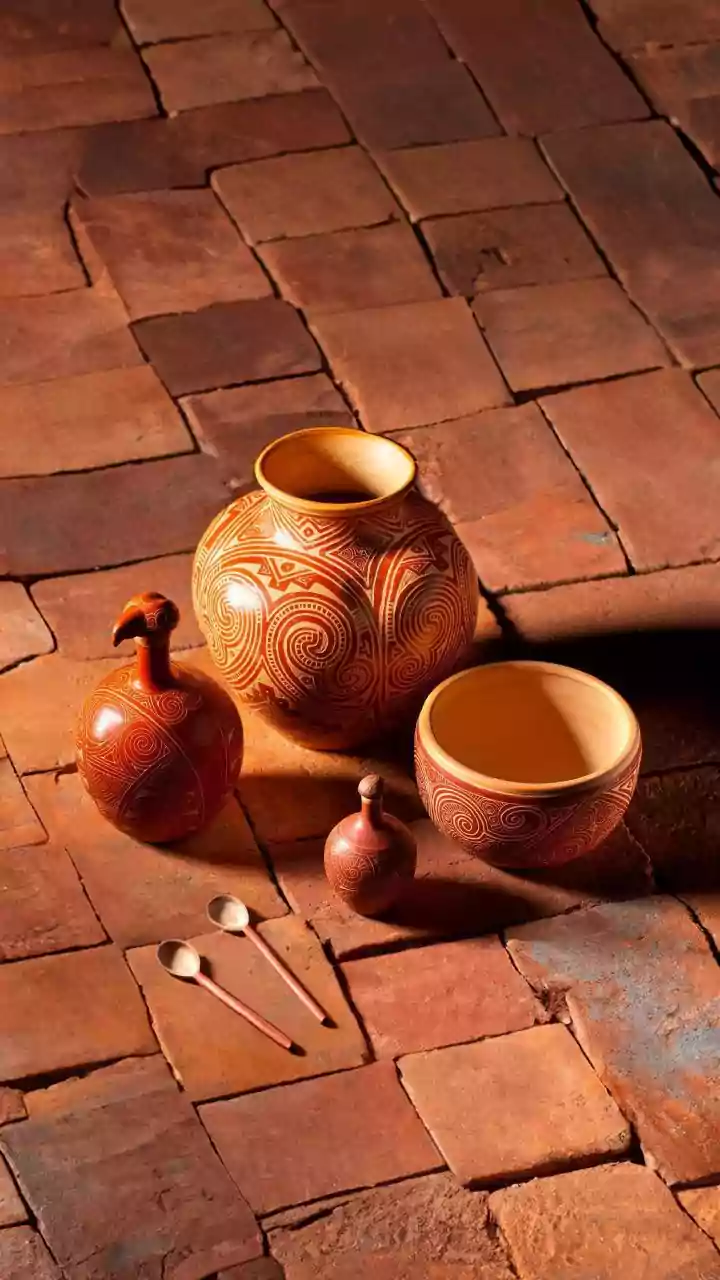
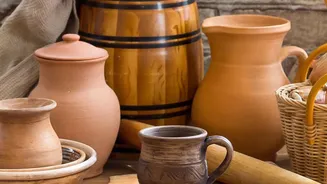
Walk into a kitchen designed by a member of Gen Z today, and you might notice a shift away from minimalist white and sterile steel. Instead, warm, earthy tones are taking over, and at the centre of this trend is clay pottery. From terracotta water jugs
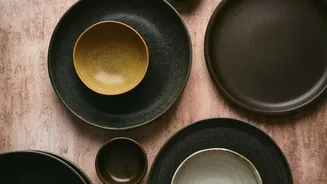
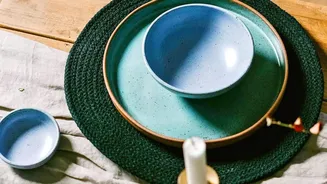
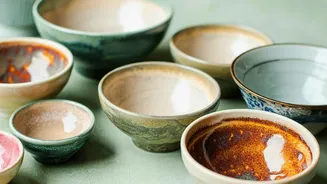
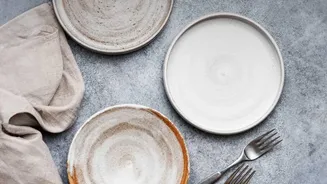
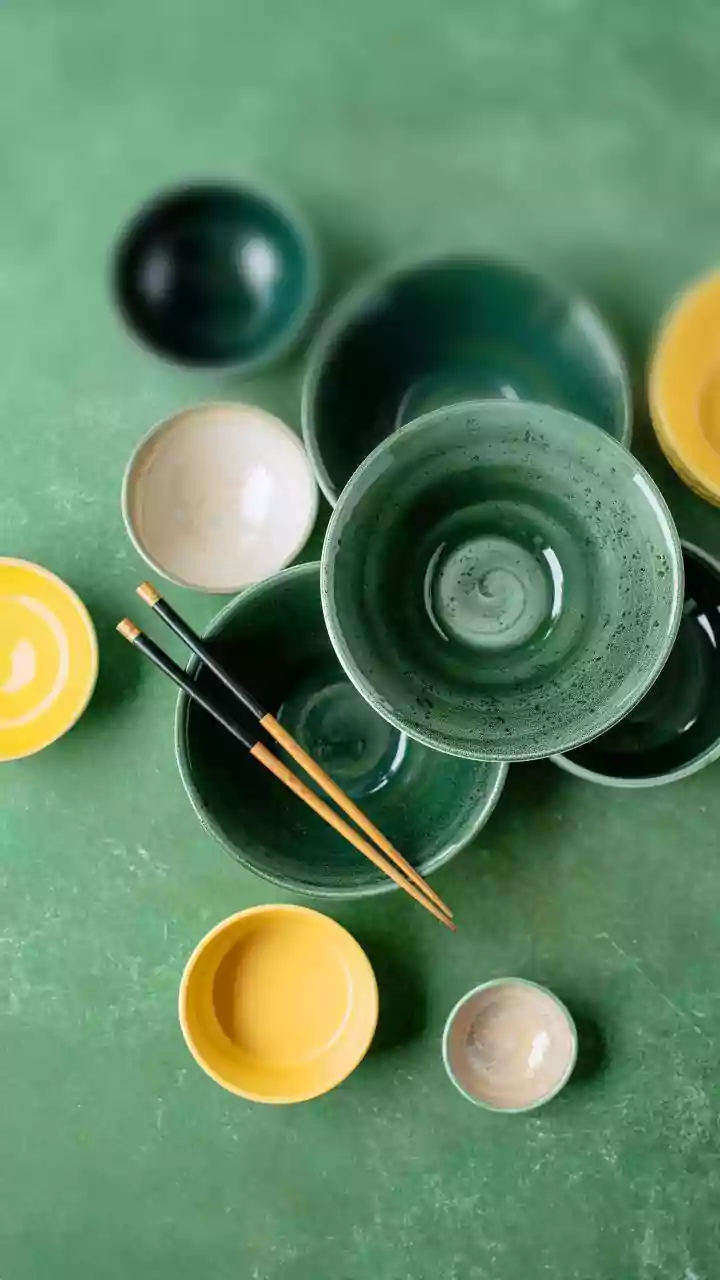
and unglazed cooking pots (handis) to handmade ceramic plates and bowls, earthenware is experiencing a major revival. This isn’t just about aesthetics; it’s a conscious choice that reflects a deeper desire for authenticity and connection. In a world saturated with mass-produced goods, younger generations are drawn to items that feel unique and carry a story. They are mixing vintage finds with modern pieces, creating kitchens that feel personal and curated rather than assembled from a catalogue.
The Appeal of True Sustainability
The primary driver behind this trend is sustainability. Clay is a natural, abundant resource, and when sourced locally, it has a much lower carbon footprint compared to mass-produced metal or plastic kitchenware. Unlike synthetic materials that pollute landfills for centuries, pottery is biodegradable and can eventually return to the earth. The production process itself is often less wasteful; many independent potters recycle excess clay and water, embracing a low-impact approach. For a generation deeply concerned about environmental impact, choosing clay is a vote for a healthier planet. This move aligns with a broader trend of seeking eco-friendly materials like bamboo and recycled glass for home interiors.
Values on the Kitchen Counter
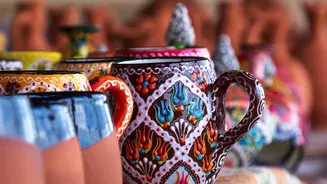
For Gen Z, a purchase is often a statement of values. This generation actively researches brands and prefers to support local artisans and small businesses over large, faceless corporations. The rise of studio pottery, where each piece is handcrafted and unique, perfectly aligns with this ethos. It’s a move away from uniform, factory-made items towards objects that celebrate the human touch. In India, this trend also signifies a return to cultural roots, where clay pots have been a kitchen staple for generations. By choosing earthenware, young decorators are not just making an eco-conscious decision but also preserving and celebrating traditional craftsmanship.
Good for the Planet, Good for You
The benefits of clay pottery extend beyond environmentalism and into personal wellness. Cooking in clay pots offers several health advantages. Because clay is porous, it allows for slow, even cooking that helps retain the nutrients and moisture in food. Many home cooks and chefs note that dishes like dals and gravies taste more flavourful when prepared in earthenware. Clay is also naturally alkaline, which can help balance the pH of acidic foods, making them easier to digest. Furthermore, unglazed clay pots are non-toxic and don't leach harmful chemicals like some metal cookware can, ensuring the food is pure and healthy.
Crafting a Rustic-Chic Vibe
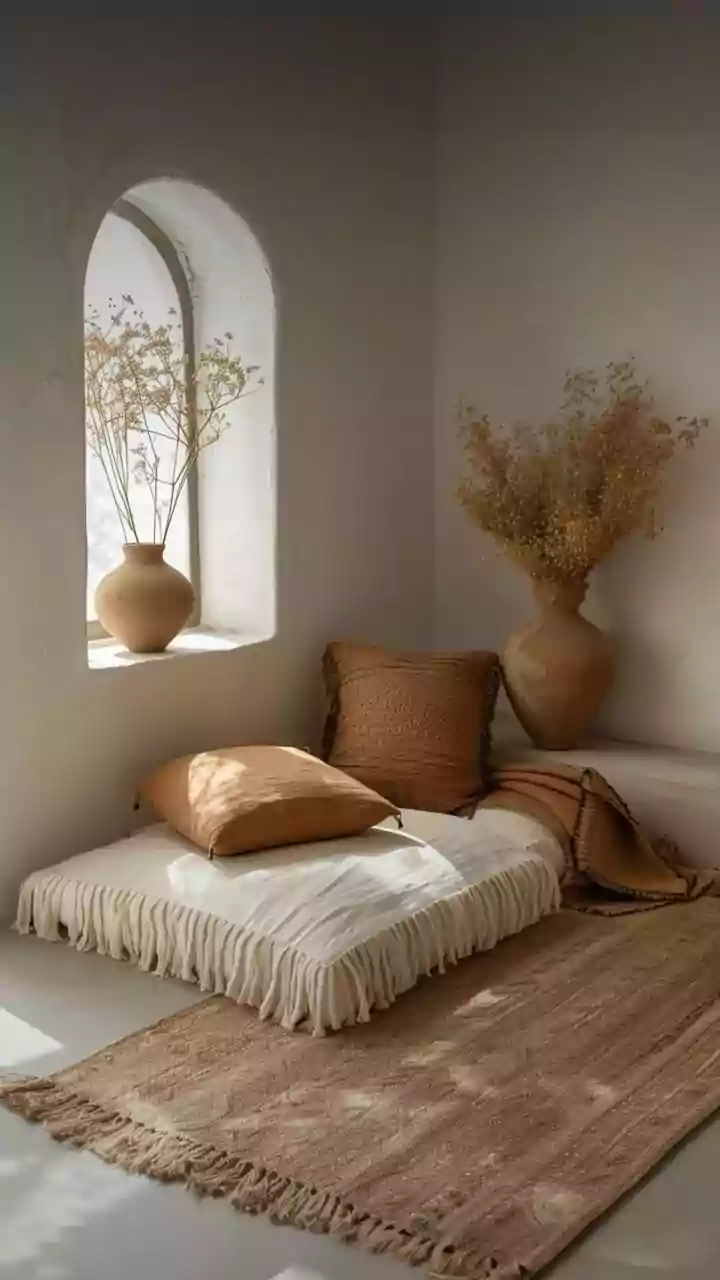
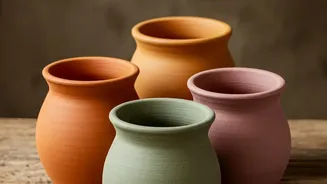
Of course, aesthetics play a huge role. The warm, natural tones of terracotta and other clays bring a sense of calm and groundedness to a kitchen. This earthy palette contrasts beautifully with both modern minimalist designs and more eclectic, vibrant interiors. The imperfect, handmade quality of studio pottery adds texture and personality, turning a simple bowl or mug into a piece of functional art. It’s a style that feels authentic, lived-in, and deeply personal—a stark contrast to the fleeting trends of fast furniture. For a generation that uses their living space as a form of self-expression, clay pottery offers a way to create a home that is both beautiful and meaningful.