






For those managing diabetes, a stable start to the day is key. Breakfast sets your metabolic tone, and adding seeds is a simple, powerful strategy. But how you prepare them matters. Soaking or roasting can unlock their full potential.
Why Preparation Unlocks Nutrients
Raw seeds, nuts,
and grains contain natural compounds like phytic acid and enzyme inhibitors. Phytic acid can bind to minerals like magnesium, zinc, and iron, preventing your body from absorbing them fully. Soaking activates enzymes within the seed that break down phytic acid, making these vital minerals more available. This process also makes the seeds softer and easier for the gut to process. Roasting, on the other hand, uses heat to reduce these 'anti-nutrients'. While high heat can damage delicate fats, light roasting enhances flavour and can also improve the bioavailability of minerals, making the seeds a potent addition to your diet.
1. Chia Seeds
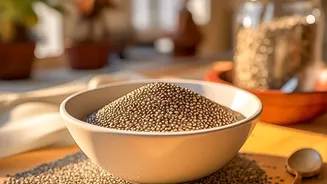
These tiny seeds are a powerhouse for diabetes management. They are packed with soluble fibre, which forms a gel-like substance in the stomach. This gel slows down the digestion of carbohydrates and the absorption of sugar, preventing sharp spikes in blood glucose after meals. Chia seeds have a very low glycemic index, promoting stable energy. How to Prepare: Soaking is the best method for chia seeds. Simply mix one to two tablespoons of seeds with water, milk, or yoghurt and let them sit for at least 20-30 minutes, or overnight, until they form a pudding-like consistency. This makes them easy to digest and perfect for a pre-made breakfast.
2. Flax Seeds
Flax seeds are an excellent source of alpha-linolenic acid (ALA), a plant-based omega-3 fatty acid, and compounds called lignans, which have antioxidant properties. Their high fibre content helps slow sugar absorption and promotes a feeling of fullness, which can aid in weight management. Studies suggest regular consumption may improve insulin sensitivity and reduce fasting blood sugar levels over time. How to Prepare: The hard outer shell of flax seeds is difficult to digest. To unlock their benefits, they should be consumed ground. You can buy them pre-ground or grind them yourself in a coffee grinder. For better digestion, you can soak ground flax seeds for several hours. Alternatively, lightly roasting whole seeds before grinding can enhance their nutty flavour and may help reduce anti-nutrients.
3. Pumpkin Seeds
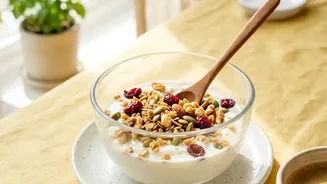
Also known as pepitas, pumpkin seeds are one of the best natural sources of magnesium, a mineral crucial for over 600 bodily reactions, including regulating blood sugar and insulin signalling. Many people with type 2 diabetes have low magnesium levels, and boosting intake can help improve insulin sensitivity. These seeds are also rich in healthy fats, fibre, and protein, which contribute to stable blood sugar. How to Prepare: Pumpkin seeds are beneficial both roasted and soaked. Soaking them overnight can reduce phytic acid and make minerals like zinc and magnesium more absorbable. Lightly roasting them at a low temperature (around 150°C) also breaks down phytic acid while bringing out a delicious, crunchy flavour perfect for sprinkling on breakfast bowls. Opt for unsalted versions.
4. Sunflower Seeds
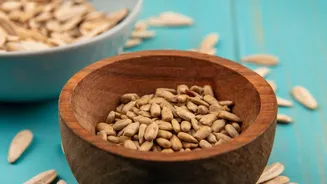
Sunflower seeds are rich in vitamin E, healthy fats, and plant compounds like chlorogenic acid, which may help lower blood sugar. Their combination of protein, fat, and fibre slows stomach emptying, leading to a more gradual release of sugar from other carbohydrates in your meal. Studies have shown that daily consumption of sunflower seeds may help reduce fasting blood sugar levels. How to Prepare: Sunflower seeds can be eaten raw, soaked, or roasted. Soaking them for 8–12 hours can improve their digestibility. Dry roasting is also a great option that enhances their flavour. As with pumpkin seeds, choose plain,' unsalted varieties to avoid excess sodium and stick to a small handful as a serving,' as they are calorie–dense.
5. Sesame Seeds
Though small,' sesame seeds are packed with nutrients important for diabetes management,' including high–quality protein,' healthy fats,' and magnesium.' The fibre content helps slow glucose absorption,' while compounds like sesamin possess antioxidant properties that can reduce inflammation and oxidative stress,' which are often elevated in diabetes.' Studies have linked sesame consumption to improvements in blood sugar control and HbA1c levels.' How to Prepare:' Soaking or roasting sesame seeds can enhance the absorption of their minerals.' To roast,' spread them in a dry pan over low–medium heat for a few minutes until they become fragrant and lightly golden.' This method enhances their nutty taste.' Soaked sesame seeds can be blended into smoothies or pastes like tahini,' providing a creamy,' nutrient–dense base.